

New project preserving museums’ at risk collections to include two Thanet sites – The Isle of Thanet News

A new project with Canterbury Christ Church University and four museums – including two in Thanet – aims to preserve collections that are at risk of deteriorating and being lost forever.
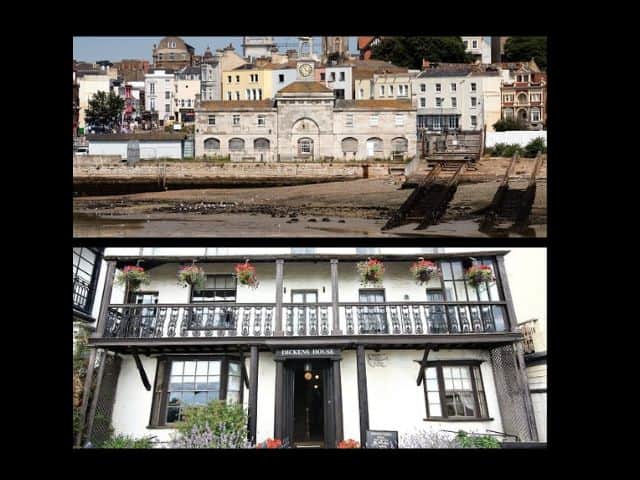
The project has been funded by the National Lottery Heritage Fund. It will see a team from Canterbury Christ Church working in partnership with Ramsgate Clock House Museum, Dickens House Museum in Broadstairs, Sandwich Guildhall Museum and Deal Museum, to help preserve their archives, upskill volunteers in key digital practices and tell the story of the towns beyond their traditional heritage.
Through a series of training workshops volunteers will learn to record at-risk archives and develop their digital story-telling skills, creating web content that will explore different aspects of 19th and 20th century life in Broadstairs, Ramsgate, Deal and Sandwich.
The towns all have a shared heritage as Victorian resorts, attracting tourists through their maritime heritage. Historically they have all been sites of change and adaptation, something that has relevance to contemporary coastal communities.
The project will highlight heritage connections between Kent’s towns, through politics, work and leisure from early 19th to the 20th century, through looking at the collections of the four small museums.
Digitising the collections will give greater access to local people, allowing them to be viewed and used remotely by schools, and anyone else around the world who has an interest in the region’s rich heritage. This will help to raise awareness of the museums and their collections to new generations, making them better understood and valued.
It is also hoped the project will help to drive new audiences to the museums, towns and region, specifically younger groups that are traditionally difficult to attract into heritage spaces.
Technologies such as augmented reality, will help to tell a traditional story in a new or novel way – and in a way that is attractive to a teenage audience familiar with a digital/ augmented world.
A collection of immersive walks through time that will highlight the towns’ significance and locations will also be developed and be available using technology currently being developed on the Kent Maps Online site.

Carolyn Oulton, Professor of Victorian Literature, Co-Director of the University’s International Centre for Victorian Women Writers and Co-Lead for Kent Maps Online is leading the project.
She said: “We’re excited to be working in collaboration with our local museums in East Kent to support them and their volunteers to preserve these important social historical collections. Helping them to tell the stories of their towns in a contemporary and accessible way, sharing their heritage with visitors to Kent, both remotely and in person.
“The project is multi-faceted, not only will it help to preserve these collections, but by upskilling local people with key digital skills we also hope to address an existing skills gap, build confidence and equip volunteers with both heritage and digital literacies, supporting them to become more confident in the workplace, or when looking for employment.
“Digitising the collections will also enable the museums to develop new technologies, enhancing the visitor experience and assisting with future projects, contributing to the sustainability and resilience of the museums.”
The project is also giving opportunities for Canterbury Christ Church University students to take part in research and gain experience, with two students securing paid placements in the team.
The project will run until July 2027.
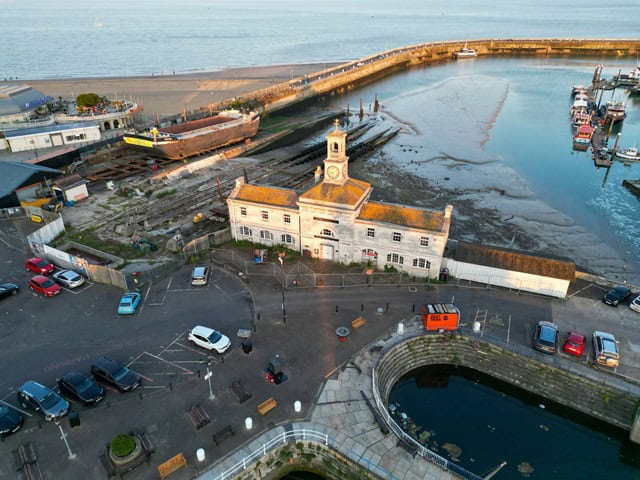
Ramsgate Clock House Museum contains documents relating to the history of the harbour including the letter conveying King George IV’s “Gracious Pleasure that this port be called “The Royal Harbour of Ramsgate” and ‘Harbour Minutes Register’ 1909-1915 covering the early years of WW1.
Roman artefacts with contemporary graffiti, recovered from the Richborough fort, as well as WW1 graffiti and important documents to tell the harbour’s story, linking to Dunkirk small boats. The harbour, like the town, was subject to enemy attack and related problems and dangers associated with wartime activity. The only way this unique national resource can be made available to the community, local history groups and researchers, is to ensure the collections identified for the project are scanned and digitised.
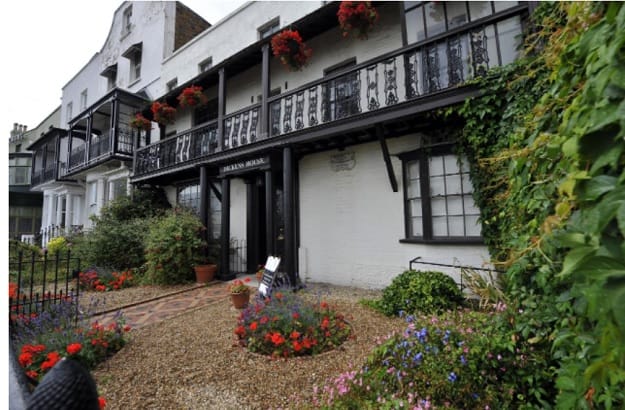
Collections at the Dickens House Museum, Broadstairs include Dickensiana and related items documenting the importance of Dickens’s legacy to the town. They include rare editions, 20th century Dickens Festival slides and programmes; photographs of author and festival organiser, Gladys Waterer.
Other unique items relating to Thanet include the rate book for Broadstairs and St Peter’s 1838-39 and rate book for St Peter’s 1843 including lodgings occupied by Marian Evans (George Eliot). Commissioning a 360° tour of the museum will help address the museum’s accessibility issues.