


How Internet Access in the Solomon Islands Reduces Poverty
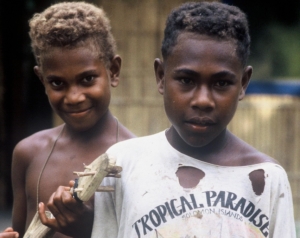 Lack of internet access in the Solomon Islands significantly impacts daily life in many rural communities, limiting access to education, income opportunities and essential services. Students in remote areas often lack access to online learning platforms, forcing schools to rely on printed materials, radio lessons and audio resources as alternatives. Schools use these alternative learning methods to avoid excluding students who lack access to digital devices or reliable internet connections.
Limited electricity further worsens the situation, as many rural schools are not connected to a stable power grid and depend on generators or solar systems to operate basic technology. Teachers working in these communities often face severe resource shortages. They must adapt their lessons creatively without access to modern teaching tools.
Why Internet Access Remains Uneven
The Solomon Islands comprise hundreds of islands scattered across a vast oceanic area, making infrastructure development challenging and costly. Although fiber-optic cables now connect some provincial centers, many outer islands still rely on slower satellite-based connections. This uneven development has created a digital divide in which urban communities experience stronger connectivity while rural areas remain largely offline.
As a result, internet access in the Solomon Islands varies sharply depending on geography.
How Digital Exclusion Deepens Poverty
More than 25% of the Solomon Islands’ population lives below the poverty line, with more than 80% of those affected residing in rural areas. Limited internet access prevents many families from using digital financial services such as e-wallets and electronic transfers. In regions where bank branches are scarce or nonexistent, poor connectivity makes it difficult for households to save money, receive remittances or build financial security.
Small businesses, women and young entrepreneurs also struggle to reach broader markets or adopt digital payment systems, which limits their income growth and innovation. Students face similar challenges, as weak digital infrastructure hinders their ability to acquire the skills necessary for future employment.
The Solomon Islands government has identified digital transformation as a key pathway toward inclusive economic development. Its ICT in Education Master Plan aims to connect schools to the internet and equip them with computer labs to support digital learning. Earlier initiatives, such as the Distance Learning Centers Project, expanded satellite-based internet access to rural schools and community centers.
Together, these efforts help reduce isolation by improving affordable access to information and communication technologies.
Evidence of Progress and Future Impact
Improved connectivity has supported platforms such as the iResource online portal, which distributes educational materials digitally across the country’s islands. The national curriculum directly links digital skills to self-reliance and paid employment, showing how technology supports improved living standards. Expanded internet access in the Solomon Islands also improves the growth of an inclusive digital economy that benefits women, youth and small businesses.
By continuing to invest in digital infrastructure, the Solomon Islands can reduce geographic isolation and create new opportunities to help families lift themselves out of poverty.
Conclusion
Better internet access in the Solomon Islands can make a real difference for people living in remote areas. When communities can access the internet, students have more opportunities to learn, families can utilize basic financial services and small businesses have a better chance to grow. These changes may seem small, but together they can help reduce poverty over time.
By continuing to expand internet access, the Solomon Islands can give more people the tools they need to improve their lives and build a more connected future.
– Aila Alsakka
Aila is based in Nottingham, UK and focuses on Technology and Global Health for The Borgen Project.
Photo: Pixabay