


Digital literacy is new baseline skill for Pennsylvanians
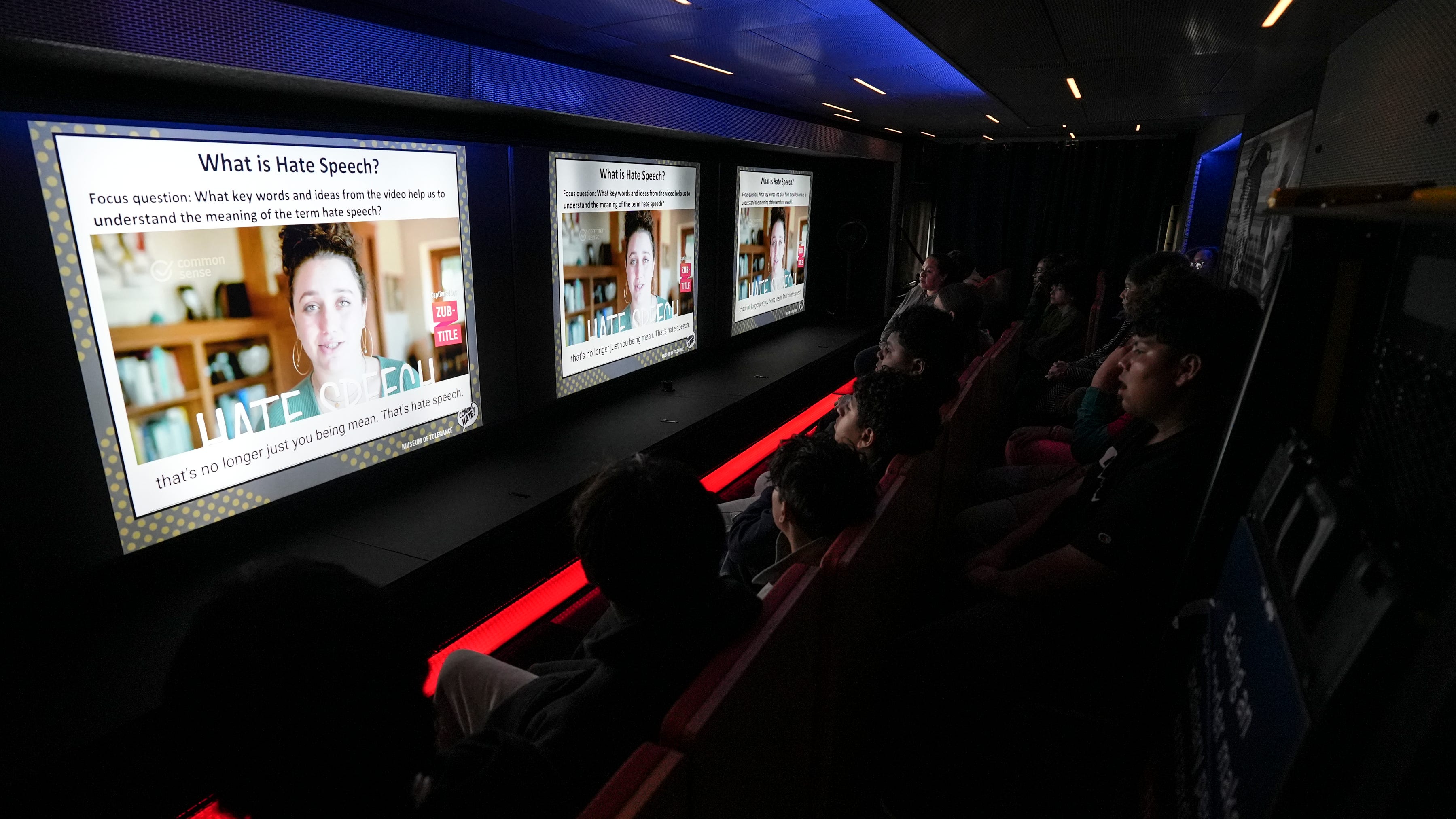

Suffern NY middle schoolers learn digital empowerment in mobile class
Suffern Middle School students learn about digital empowerment in class on wheels from Mobile Museums of Tolerance. Oct. 29, 2025. John Meore/lohud
In conversations with employers, students and working adults across western Pennsylvania, one theme comes up again and again: nearly every job today requires confidence navigating digital environments.
Assignments are submitted online, collaboration takes place virtually, and new tools are introduced faster than formal training can keep pace. Yet digital literacy – the ability to confidently and effectively navigate these environments – is often treated as assumed knowledge rather than a skill that must be built.
This disconnect creates challenges for both learners and employers. Students may complete coursework without fully developing the digital habits required in modern workplaces, while employers across western Pennsylvania report difficulty finding candidates who are comfortable operating in digital-first settings. For adult learners navigating upskilling or career transitions, the learning curve can be especially steep, particularly as workplaces adopt new tools at an accelerated pace.
Workforce and community leaders in Western PA have identified digital inclusion and skills as key priorities. The Greater Pittsburgh Digital Inclusion Alliance and partners are working to bridge gaps in connectivity, training and device access that affect jobseekers and incumbent workers alike.
As artificial intelligence and other advanced technologies become embedded across industries, digital literacy is no longer static. It increasingly includes judgment, discernment, and responsible use – knowing not just how to access tools, but when and how to apply them appropriately. As technology reshapes nearly every industry, digital literacy has become a quiet but critical factor in career readiness.
Why digital literacy matters more than ever
Digital literacy today extends well beyond basic technical proficiency. It includes a set of practical, transferable capabilities that show up across roles and sectors:
- Navigating digital platforms with confidence. From project management systems to learning portals, employees are expected to adapt to new interfaces without extensive onboarding quickly.
- Communicating clearly in virtual environments. Writing concise messages, participating in video meetings, and collaborating asynchronously are now everyday requirements.
- Evaluating information critically. With constant access to online content and AI-generated outputs, discerning credible sources and understanding context are essential skills.
- Managing work independently. Digital environments often require strong time management and self-direction without constant supervision.
When these skills are underdeveloped, employers may see delays in onboarding, breakdowns in remote collaboration, or hesitation around using emerging tools responsibly. These competencies are rarely taught in isolation. Instead, they are developed through repeated exposure and practice, often in learning environments that mirror how work actually happens.
How learning models shape digital fluency
The way people learn plays a formative role in how prepared they are for AI-enabled, digitally driven workplaces. Online and hybrid learning models naturally reinforce both the form and function of digital literacy. Students must learn how to engage with course content through digital tools and collaborate virtually with peers and instructors. Over time, this builds familiarity and confidence that translates directly to professional settings.
For employers, this often means candidates who are more comfortable adapting to new systems and workflows. For learners, it means developing readiness that extends beyond any single tool or platform. This model is also responsive to the needs of learners balancing education with jobs, caregiving, or military service – a reality for many in western Pennsylvania. The result? Comfort operating in dynamic, tech-driven environments, regardless of age or prior experience.
As emerging technologies like artificial intelligence become more integrated into daily work, one of the most important elements of digital literacy is knowing how to use new tools responsibly. Learning environments that emphasize critical thinking, ethical awareness, and adaptability help prepare individuals to engage with technology thoughtfully as expectations continue to evolve.
A workforce issue with local impact
The implications extend beyond individual students. Gaps in digital literacy can slow hiring, limit productivity, and affect economic mobility. While up-to-date curriculum plays a role, employers and educators alike share responsibility for preparing learners to operate confidently in digital-first environments.
Today, digital literacy is not optional, and it is not limited to tech careers. It is a foundational skill shaping how people learn, work, and advance. As industries evolve, helping western Pennsylvania’s learners build readiness and adaptability in digital spaces will be essential to supporting a resilient, future-ready workforce.
Alison Barber Bell is the regional vice president at Western Governors University.