

10 Fun Hobbies That You Can Try out for Less Than $20
Most financial advice focuses on cutting back, but a rich life requires more than just a balanced budget — it needs passion.
Psychologists often cite “mastery” — the act of getting better at something purely for the joy of it — as a key component of mental health. Yet, the barrier to entry for many pastimes is intimidatingly high. Golf requires clubs and green fees; photography demands expensive lenses; woodworking needs a shop full of tools.
Fortunately, you do not need to spend hundreds of dollars to discover a new outlet. These low-stakes activities allow you to experiment freely. If you love one, you have found a lifelong passion. If not, you are out less than the cost of a movie ticket.
1. Disc golf
If you enjoy hiking but wish it had a competitive element, disc golf is the perfect answer. Unlike traditional golf, which requires expensive clubs and course fees, the vast majority of disc golf courses are free to play in public parks.
While serious players carry bags full of specialized plastic, a beginner only needs one item: a mid-range disc or a “putter.” You can find high-quality starter discs from major brands like Innova or Discraft for under $15 online or at sporting goods stores. That single disc is all you need to play a full 18 holes.
2. Container gardening
You don’t need a backyard to grow your own food. Container gardening focuses on growing herbs or vegetables in small pots, making it ideal for patios, balconies, or even sunny windowsills.
To start, skip the fancy ceramic planters. You can use plastic nursery pots (often free if you ask a local nursery) or recycled food containers with holes poked in the bottom.
A bag of potting soil costs about $5 to $8, and seed packets for herbs like basil or cilantro often cost less than $3. For under $15, you can start a kitchen garden that eventually pays for itself in fresh produce.
3. Embroidery
Embroidery has made a massive comeback, shedding its old-fashioned reputation for modern, often humorous designs. It is also one of the most affordable crafts to start because the materials are incredibly cheap.
A complete beginner kit — which usually includes a hoop, needles, thread and fabric with a pre-printed pattern — can be found on sites like Etsy or Amazon for $10 to $15.
4. High-tech birding
Bird watching used to require expensive binoculars and a heavy field guide. Today, you can start with nothing but your smartphone and a free app.
The Merlin Bird ID app, created by the Cornell Lab of Ornithology, is a game-changer. Its “Sound ID” feature listens to the birds around you and identifies them in real-time, displaying their names and photos as they sing.
It turns a regular walk in the park into an interactive scavenger hunt. It costs $0, leaving your $20 budget completely untouched for when you eventually decide to upgrade to a cheap pair of opera glasses or second-hand binoculars.
5. Origami
The ancient art of paper folding is among the most cost-efficient hobby in existence. It requires zero tools — no glue, no scissors, no tape. The only material is paper.
While you can practice with printer paper, proper origami paper is thinner and holds creases better. You can buy a pack of 100 to 200 sheets for $6 to $10. This single purchase provides hundreds of hours of practice. Start with a crane or a jumping frog (instructions are free on YouTube) and work your way up to complex geometric shapes.
6. Crocheting
Textile arts can become expensive quickly, but crocheting keeps the initial investment low.
While you can buy premium wool later, a beginner can start with a simple aluminum hook and a skein of acrylic yarn for under $8.
If you prefer structured learning, complete beginner kits — which include the hook, yarn and step-by-step instructions for a specific project like a small animal or coaster — are widely available for under $15. It is a practical hobby that yields tangible results, like scarves or hats, for the cost of the materials.
7. Urban sketching
Urban sketching is the practice of drawing on location, capturing the life of your city or town as it happens. It differs from studio art because it emphasizes speed and observation over perfection.
To start, you do not need an easel or canvas. You need a simple sketchbook (approximately $8-$10) and a decent pen ($3-$5). A waterproof fine liner is ideal. The goal isn’t to create a masterpiece, but to document your world. It changes the way you look at your surroundings, forcing you to notice architectural details and shadows you previously ignored.
8. Soap carving
If you are intrigued by wood carving but intimidated by the sharp tools and cost of lumber, soap carving is the perfect entry point. It is safer, cleaner and significantly cheaper.
All you need is a bar of soap (Ivory soap is the gold standard for this because it is soft and uniform) and a simple carving tool. You can use a dedicated set of clay tools for under $10, or even a plastic knife or cuticle pusher from your bathroom cabinet. It’s a satisfying way to learn how to think in three dimensions.
9. Calligraphy
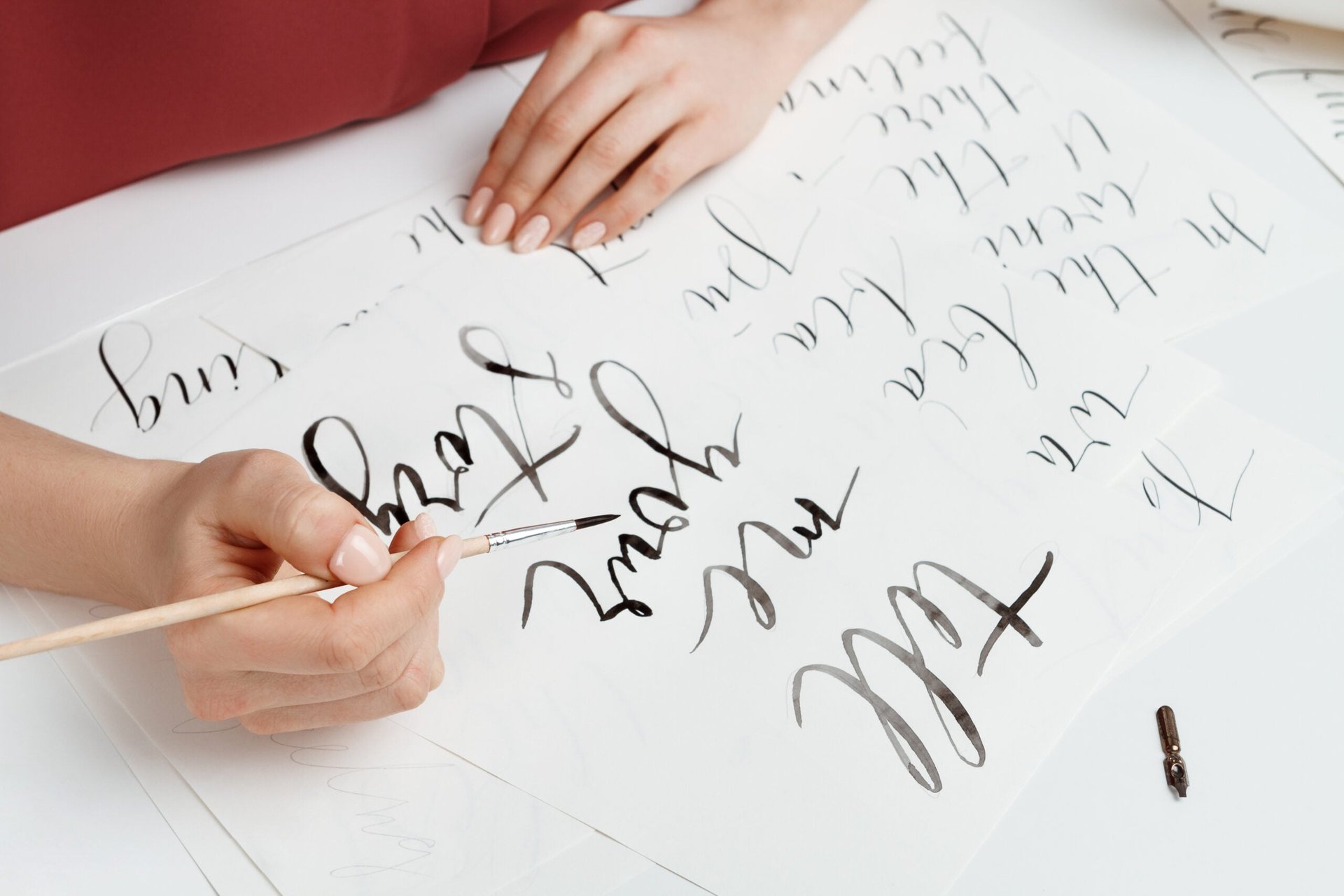
Hand lettering looks expensive, but the barrier to entry is just a single pen.
“Faux-calligraphy” or brush lettering can be done with a simple brush pen, which differs from a standard marker by having a flexible tip that creates thick or thin lines depending on your pressure.
A high-quality Tombow or Pentel brush pen costs about $3 to $6. Grab a smooth notepad (avoid rough paper that frays the tip) for $5, and you are ready to start. There are thousands of free practice sheets available online to print out and trace until your muscle memory takes over.
10. Jigsaw puzzles
Puzzles offer hours of focused, meditative entertainment, but brand-new sets from premium manufacturers can easily run over $25. The smart financial move is to never buy them new.
Thrift stores and charity shops are almost always stocked with puzzles for as low as $2 or $3. Since most people only assemble a puzzle once before donating it, these used sets are typically in excellent condition. It allows you to cycle through sophisticated, 1,000-piece challenges for pennies on the hour.
When you are finished, you can simply donate them back and grab a new one.