

Digital skills drive hiring demand in logistics, says FAST
Insider Spotlight
- FAST Logistics says AI literacy and digital skills are becoming essential for Filipino logistics professionals
- Demand is rising for workers who can use data, digital platforms, and AI-enabled logistics systems
- The company expects to hire thousands of warehouse personnel, including TESDA-certified workers
- FAST is investing in training and advanced logistics technologies to support a more automated supply chain
The Philippine logistics workforce is entering a new era where digital fluency and artificial intelligence literacy are becoming core job requirements, according to FAST Logistics Group.
The integrated logistics provider said supply chains are rapidly evolving into technology-driven systems, increasing demand for workers who can operate digital platforms, analyze data, and collaborate with AI-powered tools.
“Logistics professionals who understand how to work with AI, interpret data, and use digital platforms will be the ones driving efficiency, sustainability, and growth across the supply chain,” Manuel L. Onrejas Jr., CEO of FAST Logistics, said in a press statement.
Why it matters
Automation is reshaping logistics operations, from warehouse management to route planning and demand forecasting.
FAST said companies expanding in the Philippine market—including multinational firms, conglomerates, startups, and MSMEs—are accelerating the shift toward data-driven logistics operations.
That shift is transforming traditional logistics roles into technology-enabled positions focused on decision-making and operational optimization.
“AI is changing how we plan routes, manage warehouses, and forecast demand,” Onrejas said. “Those who know how to use systems such as Warehouse Management Systems and Transport Management Systems, complemented by other AI tools, and those who know how to ask the right questions of data and understand AI’s limitations will always be in demand.”
The big picture
Despite growing automation, FAST emphasized that AI should be viewed as a productivity tool rather than a job replacement.
Digital systems allow logistics teams to monitor operations in real time, improve delivery accuracy, reduce empty truck miles, and optimize vehicle utilization across supply chains.
Technical expertise also remains crucial, including Material Handling Equipment operations and Tesda NCII certifications for warehouse and forklift operations.
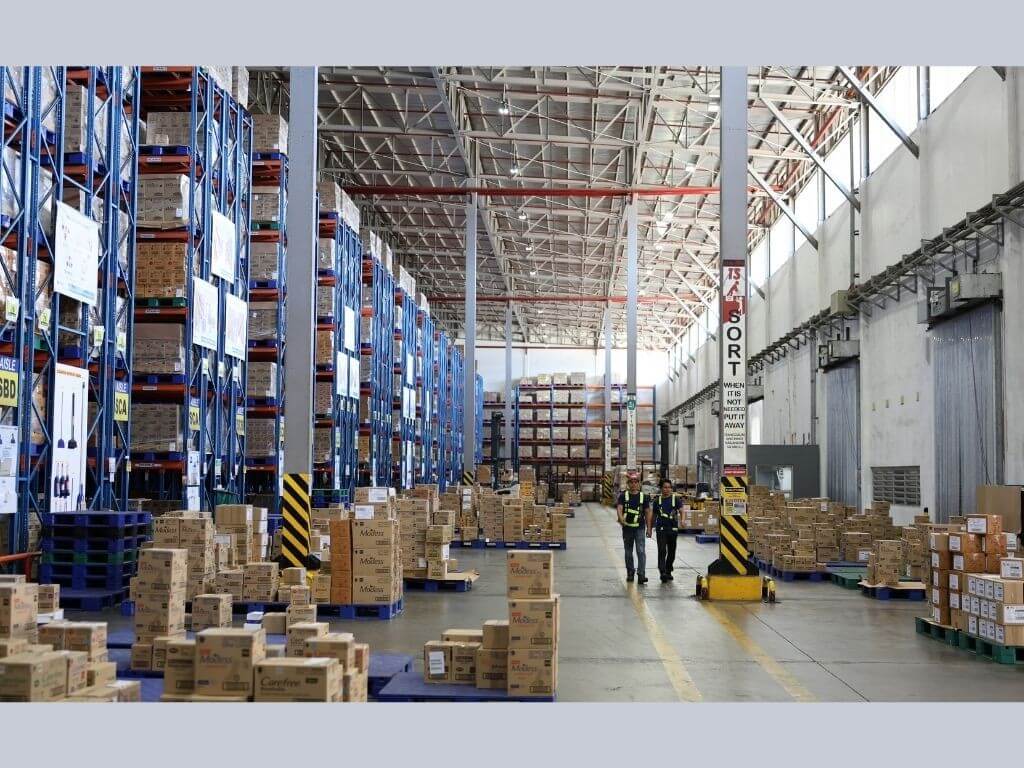
FAST said it will need thousands of warehouse personnel to support ongoing warehouse transitions and nationwide logistics expansion.

What FAST is doing
To prepare workers for the shift, FAST is expanding training through its FAST Learning and Innovation Center in Laguna and a cloud-based learning management system integrated with AI-powered human capital management software.
The company is also deploying advanced enterprise systems, including a Honeywell-powered Warehouse Management System and a FarEye Transport Management System that provides real-time visibility across its fleet of more than 3,100 vehicles.
“The future logistics professional is digitally confident, curious, and committed to continuous learning,” said Onrejas. “At FAST, we’re building that future today.” —Vanessa Hidalgo | Ed: Corrie S. Narisma