

Forget the 1%. These CEOs Are in the 0.001% — and the Numbers Will Make Your Head Spin
It is one thing to be well-paid; it is quite another to earn more in a single afternoon than a dedicated professional earns in a lifetime.
For the average American, a “good” salary might be enough to cover a mortgage and a few nice vacations. But for a select group of C-suite executives, the scale of compensation has shifted into a realm that feels entirely disconnected from the reality of the workforce.
These are not just stories of high earners. They are examples of a compensation culture in which the numbers have become so large that they are almost impossible to visualize, often reaching into the hundreds of millions for a single year of work. This trend highlights a widening CEO-to-worker pay ratio that continues to spark debate across the country.
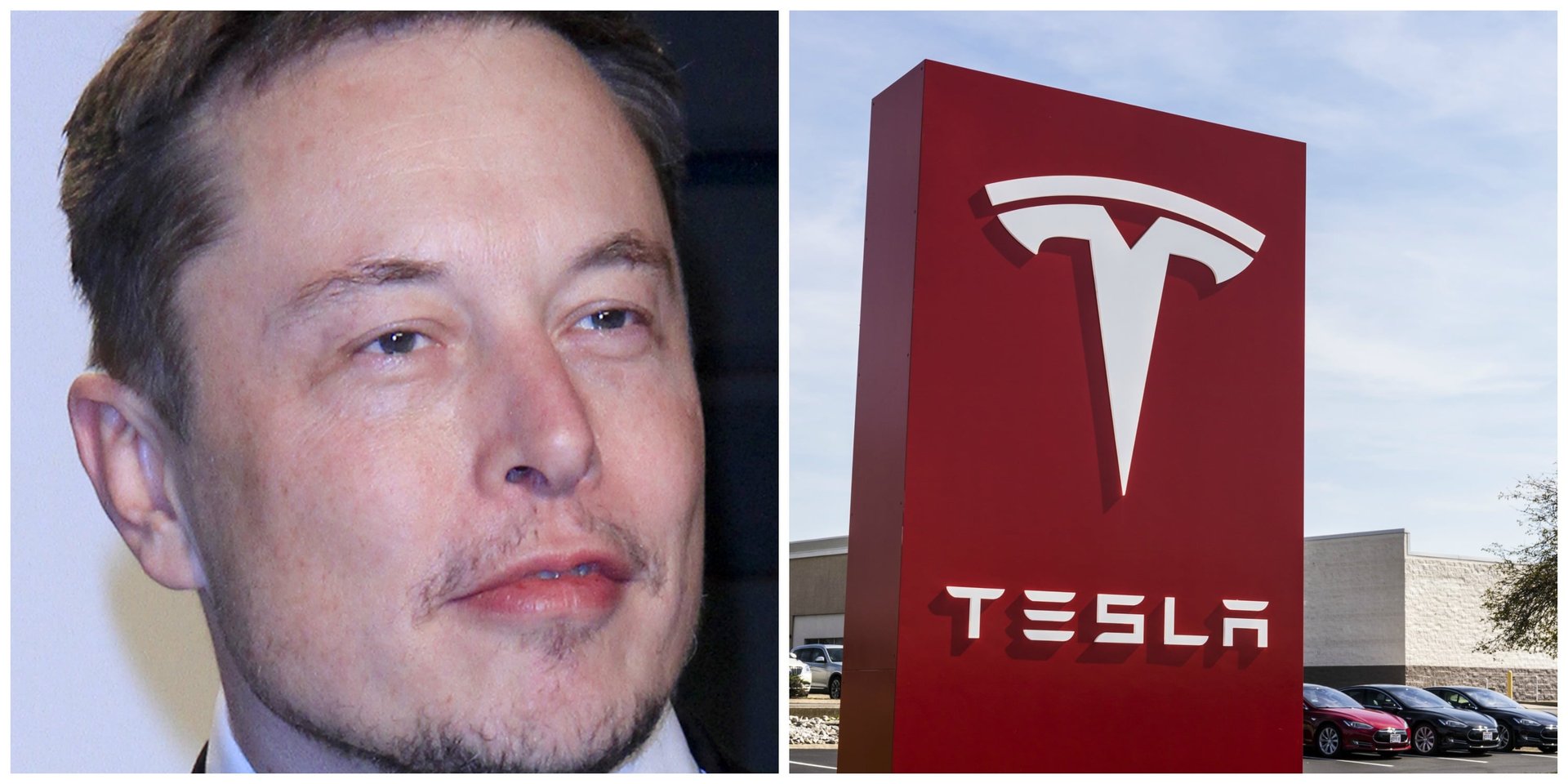
1. Elon Musk and the trillion-dollar milestone
Estimated $87 billion annually (target ceiling)
In late 2025, Tesla shareholders approved a landmark pay package for Elon Musk. While the headline figure of nearly $1 trillion represents a potential 10-year maximum ceiling, the board currently values the plan closer to $87 billion based on current stock prices.
To unlock the full amount, Musk must grow Tesla’s market cap to an astronomical $8.5 trillion and meet radical goals in robotics and autonomous driving.
In the absolute maximum scenario where every goal is achieved, Musk’s daily earnings would average over $240 million. Even though he draws $0 in base salary, these performance-based stock awards create a level of potential wealth that remains historically singular.
2. Hock Tan and the AI windfall
Estimated $205 million annually
Broadcom CEO Hock Tan saw his compensation jump to over $205 million in the 2025 fiscal year. This was a massive increase from the $2.6 million he received previously, driven by a pay structure now heavily aligned with the company’s artificial intelligence ambitions.
When you break down that $205 million, Tan earned roughly $560,000 per day, including weekends. This shift underscores how significantly AI-related growth is driving executive wealth, even while his base salary remained stable at $1.2 million.
3. Brad Jacobs and the building products boom
Estimated $189 million annually
Brad Jacobs, the CEO of QXO, recently drew attention with a compensation package valued at roughly $189.6 million. Jacobs is a serial entrepreneur who has built multiple billion-dollar companies, and his new venture into building product distribution has already yielded a massive personal payday.
At this rate, Jacobs brings in about $15.8 million per month. Over 99% of this figure is tied to equity, meaning his fortune is inseparable from the company’s stock performance. For the average American, earning hundreds of millions for leading a construction distributor is a stark reminder of the value placed on leadership.
4. Peter Gassner and the cloud software surge
Estimated $172 million annually
Veeva Systems CEO Peter Gassner saw his compensation climb to $172.4 million in fiscal 2025, as disclosed in SEC filings. This was a dramatic rise from previous years, fueled almost entirely by a stock option grant that vests through 2030.
Gassner’s compensation comes to roughly $82,000 per hour based on a standard workweek. At this income level, the daily rate for an executive exceeds the annual salary of most high-level surgeons or corporate attorneys.
5. Patrick Smith and the public safety premium
Estimated $164 million annually
As the head of Axon Enterprise — the company known for Tasers and body cameras — Patrick Smith realized a package worth $164.5 million. This figure, disclosed in 2025 proxy filings, reflects the realized value of long-term performance awards from the 2024 cycle that vest based on aggressive market cap and operational goals.
His annual earnings average out to $3.1 million per week. Smith’s earnings reflect a common corporate strategy in which “locked” shares vest over several years, effectively turning the CEO into one of the company’s most significant shareholders.
6. Sridhar Ramaswamy and the data transition
Estimated $101 million annually
At Snowflake, CEO Sridhar Ramaswamy was awarded a compensation package worth $101.3 million in the 2025 fiscal year. Much like that of his peers, over 98% of this wealth is tied to stock and option awards rather than a monthly paycheck.
This equates to about $276,000 every single day. For the average tech worker — who might earn that much in a very successful year — seeing an individual collect a $101 million payday underscores how the rewards at the top have drifted away from any recognizable standard of professional compensation.
7. Nikesh Arora and the cybersecurity boom
Estimated $99 million annually
Nikesh Arora of Palo Alto Networks took home nearly $99.7 million in total compensation for the 2025 fiscal year. While he has previously earned more in certain vesting cycles, his current package remains at the top of the cybersecurity sector.
Arora essentially earned $1.9 million per week to lead the firm. While his base salary is a “modest” $1 million, the stock awards that make up the vast majority of his pay mean his wealth grows in lockstep with the company’s market valuation.
8. Satya Nadella and the AI frontier
Estimated $96 million annually
Microsoft’s Satya Nadella saw his compensation reach $96.4 million in fiscal 2025. Under his leadership, Microsoft has become a dominant force in artificial intelligence, which has sent the company’s valuation into the trillions.
Nadella effectively earns $1.8 million per week. While he is widely considered one of the most effective CEOs in the world, the scale of his paycheck remains an outlier, representing a level of wealth accumulation that is virtually impossible to achieve through traditional labor.
9. Lawrence Culp and the GE Aerospace split
Estimated $45 million annually
GE Aerospace CEO Lawrence Culp was awarded roughly $45.6 million in 2025. While lower than some of his previous “retention” bonuses, it remains a massive sum.
Culp’s earnings break down to roughly $870,000 per week. For workers whose benefits are adjusted during corporate restructurings, a $45 million reward for the man leading the split can be a difficult pill to swallow.
10. Brian Niccol and the coffee sign-on
Estimated $31 million annually
When Brian Niccol was tapped to lead the latest Starbucks strategy shift, his 2025 fiscal compensation was reported at $31 million. This followed a massive initial 2024 “sign-on” grant valued at $96 million to lure him from Chipotle.
Even at the $31 million level, Niccol’s compensation averages out to $85,000 per day. The pay ratio remains jarring, with Niccol earning thousands of times more than the median Starbucks employee.
What does this mean for Americans?
What happens when the people running the economy inhabit a completely different financial reality from the people working in it? We may be finding out.
These ten pay packages are not mere anomalies. They are a preview of where executive compensation is heading — and nothing on the horizon suggests the trajectory is changing.
If the gap between executive wealth and everyday financial security has you thinking about your own retirement, Anthem Gold Group helps investors with $10,000 or more protect what they’ve built with physical precious metals.