

Microsoft announces the opening of its new datacenter region in Denmark, strengthening digital resilience, innovation, and economic growth
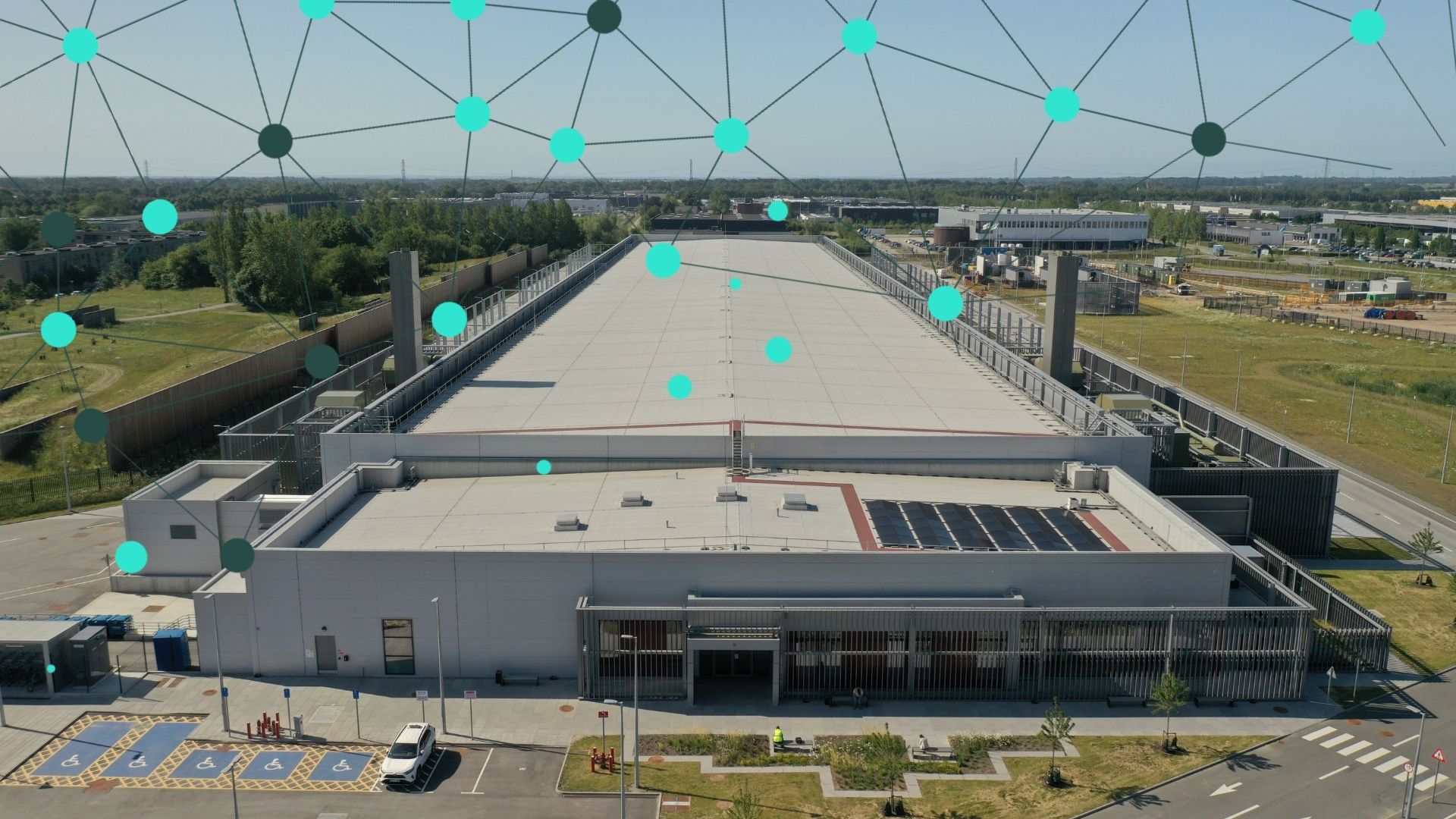
Microsoft today announced the official opening of its new Danish datacenter region, Denmark East, with campuses in Høje Taastrup, Køge, and Roskilde on Zealand. The datacenter region will provide Danish Microsoft customers with local, secure state of the art cloud infrastructure designed with sustainability as a key focus.
Mette Kaagaard, General Manager, Microsoft Denmark & Iceland, said:
“With the opening of Denmark East, we are strengthening Denmark’s digital resilience with a secure-by-default foundation that gives customers greater control, low latency, and local data residency. It marks an important step in our long-term commitment to Denmark, enabling stronger sovereignty controls and new opportunities for innovation across the public and private sectors — built in close collaboration with Danish partners and guided by values such as transparency, accountability, and sustainability.”
According to IDC, the Microsoft Cloud is expected to generate substantial economic growth while advancing the digital green transition in the coming years, in Denmark. Over the next four years, Microsoft and, its partners are projected to spend approximately $4.5 billion in Denmark on local services and products, strengthening regional business communities.
For every $1 of Microsoft cloud revenue, more than $6 are generated in the wider partner ecosystem, and this is expected to grow to nearly $8, by 2029. The impact extends well beyond Microsoft itself – most of the economic value is created in Danish companies serving other Danish organisations. When Danish organisations adopt cloud services, they rely on local IT consultancies, software developers, cybersecurity firms, and system integrators.
With the opening of the Denmark East region, Danish organizations across sectors – from healthcare and finance to manufacturing, energy, and the public sector – will benefit from:
- Local data residency enabling customers to store and process data in Denmark under full European legal protection, including strict GDPR compliant safeguards, ensuring sensitive workloads remain inside the EU.
- Enhanced digital resilience with multiple independent datacenter zones within the region
- Access to advanced cloud and AI services, including Microsoft Azure and Microsoft 365.
For Nykredit, the opening of Microsoft’s new datacenter region in Denmark strengthens the foundation for secure, compliant, and customer-centric digital services.
Ulrik Have, CIO Technology, Nykredit, said:
“For Nykredit, data security, regulatory compliance, and customer trust are fundamental. Microsoft’s new datacenter region in Denmark enables us to keep data local, reduce complexity, and lower latency through close proximity to our on‑premises services—while maintaining the flexibility to deliver new digital solutions for our customers.”

Local support to local investments
The establishment of the new datacenter region has been met with strong support from municipal and regional leaders and decision makers across Zealand. The three host municipalities Høje Taastrup, Køge, and Roskilde – have strategically prepared for years to attract advanced digital infrastructure and technology-driven investments that support both local growth and national digital ambitions.
Microsoft collaborates with local communities in Køge, Taastrup and Roskilde and 13 local partners, including Disability House on inclusion, Vild med Vilje on biodiversity and Boligselskabet Sjælland on neighbourhood engagement, to strengthen digital skills, sustainability and local needs while supporting long‑term growth and a strong local economy.
Next to one of Microsoft’s state‑of‑the‑art Danish datacenters in Høje‑Taastrup, a new 40,000 m² public park—the Office Park—has been created in partnership with the municipality, showing how digital infrastructure can coexist with green, community‑friendly spaces.
Ken Kristensen, Mayor of Køge Municipality, said:
“The opening of the new datacenter highlights that Køge is an attractive location for large, future-proof projects. We have strong infrastructure, attractive business areas, and a strategic location that makes it possible to develop new solutions and create value locally. This is exciting for Køge and for the entire surrounding region, and we welcome Microsoft. At the same time, we are pleased that, over time, Microsoft’s new datacenter will contribute surplus heat to the local district heating network.”
Tomas Breddam, Mayor of Roskilde Municipality, said:
“A datacenter from a global company like Microsoft creates opportunities that go far beyond the building itself. Through collaboration on digital innovation, sustainable solutions and smarter public services, Microsoft’s presence can help bring new technology, knowledge and partnerships into our municipality – and in that way create concrete value for both citizens and local businesses over time.”
Kurt Scheelsbeck, Acting Mayor of Høje Taastrup Municipality, said:
“In Høje-Taastrup Municipality, we are pleased with the collaboration with Microsoft and proud to host one of the datacenters in the new Danish datacenter region. With construction now completed, we are already seeing positive effects – for local jobs, skills development and our young people. The new park, which creates a green and safe transition between the datacenter and nearby residential areas, is a strong example of how development can go hand in hand with nature and quality of life. At the same time, the collaboration on local projects through ChangeX strengthens our schools, associations and communities. We look forward to building on the partnership in the years ahead.”

Supporting the green digital transition
In 2020, Microsoft announced a commitment to become carbon negative by 2030 — accelerating work across our company to advance the partnerships and technologies needed to advance sustainability for businesses, customers and the world. A key milestone on this journey was the aim to match 100% of the company’s annual global electricity consumption with renewable energy by 2025. The goal has officially been met and this progress helps drive investment into the power systems where Microsoft operate, expand clean energy supply and advance broader energy innovation.
IDC finds that over the next four years, shifting from on-premises infrastructure to cloud services can reduce CO₂ emissions by nearly 88,000 metric tons, equivalent to the emissions of roughly 22,700 Danish homes over the same period.
In Denmark, Microsoft has entered into long-term power purchase agreements that together provide for a total capacity of 130 MW of renewable energy per year. One example is the Svinningegården Solar Park project in Holbæk Municipality, which has a capacity of 27 MW.
In Denmark East, Microsoft uses renewable fuel such as HVO (Hydrotreated Vegetable Oil) for backup power generation where available. HVO is a renewable diesel made from waste and residual raw materials, and it can significantly reduce lifecycle greenhouse-gas emissions compared to conventional fossil diesel. Using HVO supports our broader commitment to lower-carbon operations while maintaining the same reliability and safety standards required for critical infrastructure.
The Danish datacenters have been purposefully designed with zero water use for cooling, for LEED Gold certification and to ultimately operate at a power usage effectiveness (PUE) of 1.16. Furthermore, our datacenter site in Høje-Taastrup will be Microsoft’s first operational at-scale waste heat recovery in Denmark. The Danish datacenters are engineered to recover surplus heat for local district heating systems in Høje-Taastrup with the ability to warm around 6,000 local homes, with future expansion planned in Køge.

Built-in Digital Sovereignty to innovate with confidence
Microsoft investments in cloud and AI infrastructure go beyond bringing capacity online in a region. They are a core part of our long-standing commitment to advancing trust, resilience, and transparency, with digital sovereignty fundamental to that commitment and particularly top of mind for customers and partners in Denmark.
Customers in Denmark are covered by the EU Data Boundary, which ensures that customer data for Microsoft cloud services is stored and processed within the EU, providing clarity, predictability, and confidence in how data is handled. This is reinforced by Microsoft’s European Digital Commitments, which go further than regulatory compliance to deliver meaningful assurance through legally backed commitments, local governance, and operational transparency.
Together, these commitments reflect Microsoft’s belief that digital sovereignty is not a one-size-fits-all requirement, but a continuum of needs. Through the Microsoft Sovereign Cloud, customers in Denmark can choose the level of control, isolation, and operational autonomy that best fits their workloads whether running highly regulated applications, supporting critical national infrastructure, or innovating with AI in the cloud. This flexible approach enables customers to maintain control over their data, without sacrificing the scale, security, or innovation of the Microsoft cloud.