

Why Senior Living Communities Boost Longevity and Daily Happiness
Priorities change as people age, and for many adults past 65, the focus turns to finding an environment that supports both physical health and genuine contentment. Senior living communities have earned attention for doing exactly that. Published research consistently links communal living arrangements to improved well-being among older populations. From proper nutrition to regular social contact and access to professional care teams, these residences offer a combination of benefits that can meaningfully extend life and improve its quality each day.
Social Connection Reduces Isolation
Close to one in four adults over 65 experiences persistent loneliness, according to the National Academies of Sciences. That kind of sustained isolation raises the risk of heart disease, depression, and cognitive decline. Communities built for older adults address this head-on through shared meals, group outings, and organized activities. Residents form bonds with neighbors in similar life stages, replacing the solitude that often accompanies aging at home. Those daily interactions provide emotional grounding that has a real, measurable effect on overall health.
Large metro areas tend to offer a wide variety of care-focused residences, each with different strengths. Families exploring options should tour several locations and compare programming, staff attentiveness, and general atmosphere. Those looking into senior living in Los Angeles will find communities that pair structured social calendars with personalized wellness plans. That kind of setting fosters consistent interaction and gives residents a genuine sense of belonging from the moment they arrive.
Nutrition and Wellness Programs Support Longer Lives

Good nutrition is one of the simplest predictors of healthy aging. Many residential communities employ dietitians who design menus tailored to the specific needs of older adults. Meals rich in omega-3 fatty acids, fiber, and antioxidants help lower inflammation and protect cardiovascular function. Reliable meal schedules also keep energy levels steady, which prevents the irregular eating habits that often develop when a person lives alone.
Physical fitness programming reinforces strong nutritional habits. Low-impact options like swimming, yoga, and guided walks improve mobility and balance over time. A 2023 report from the American Heart Association found that regular movement cut fall-related injuries by up to 30% among adults over 70. Exercising within a supportive group raises both motivation and personal accountability.
Cognitive Stimulation Preserves Mental Sharpness
Minds that stay active tend to stay healthier for longer. Programs like book clubs, art workshops, and strategy games challenge the brain consistently. The Alzheimer’s Association notes that regular cognitive engagement can delay the onset of memory-related conditions by several years. Doing these activities alongside peers adds a collaborative element that amplifies the protective effects.
Technology training has also become a valuable resource in many communities. Tablet courses and video-call sessions help residents stay connected with distant family members. Picking up digital skills gives people a renewed sense of independence, particularly those adjusting to communal life after years of living on their own.
Daily Routine and Purpose Strengthen Emotional Health

Structure brings comfort during major life transitions, and senior communities offer it in abundance. Volunteer opportunities, hobby groups, and mentorship programs give residents a clear sense of direction. A peer-reviewed psychiatric study found that older adults with a strong sense of purpose had a 15% lower mortality rate over 5 years. Scheduled activities, from morning fitness sessions to afternoon garden time, create rhythm and something to look forward to each day.
Emotional well-being deepens when people feel productive and valued. Teaching a skill, helping a neighbor, or contributing to a community project reinforces self-worth in a visible way. That positive cycle of engagement and recognition sustains mental health far more effectively than passive retirement spent at home.
Safety and Professional Supervision Provide Reassurance
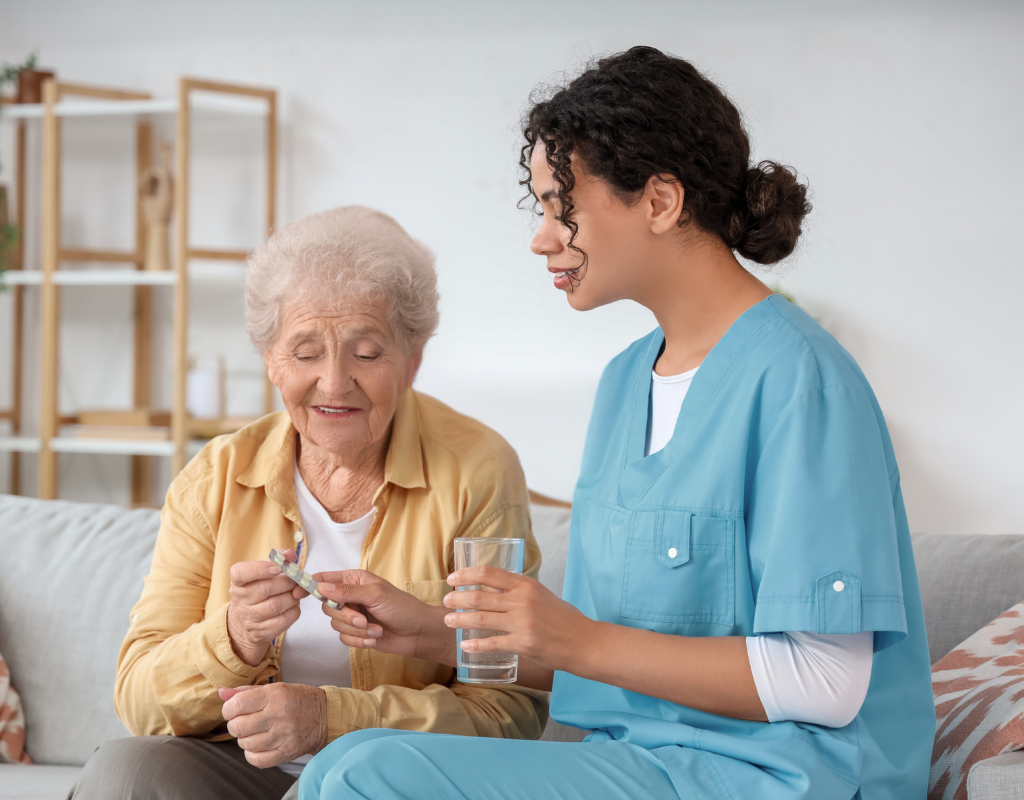
Around-the-clock staffing removes a major source of worry for both families and residents. Trained caregivers manage medication schedules, respond to emergencies, and assist with daily tasks. This level of attentive oversight reduces hospital readmissions and supports faster recovery after illness or surgery.
Secure environments also minimize the household hazards common in private homes. Grab bars, non-slip flooring, and wheelchair-accessible layouts prevent the accidents that frequently affect older occupants. These features allow residents to move freely while lowering injury risk, supporting both confidence and lasting physical health.
Conclusion
These communities provide far more than a place to live during later years. They create a complete support system built on nutritional care, social engagement, cognitive enrichment, and expert oversight. Each piece reinforces the others, producing measurable gains in both lifespan and daily satisfaction. Families considering these options should evaluate program quality, staff-to-resident ratios, and the overall culture of a community before committing. The right residence can turn the later chapters of life into some of the most fulfilling.