

Access and empowerment: how ‘infopreneurs’ bridge digital gaps in rural India
Launched in 2014, PhotoSparks is a weekly feature from YourStory, with photographs that celebrate the spirit of creativity and innovation. In the earlier 990 posts, we featured an art festival, cartoon gallery. world music festival, telecom expo, millets fair, climate change expo, wildlife conference, startup festival, Diwali rangoli, and jazz festival.
May 17 is celebrated internationally as World Telecommunications and Information Society Day (WTISD). The occasion serves as a focal point for global and local dialogues on connectivity, inclusion, and the future of digital societies.
Telecommunications has dramatically evolved from basic voice networks to critical digital lifelines. Stakeholders in this ecosystem now include tech firms, entrepreneurs, government, civil society, and multilateral organisations.

However, large gaps still remain in delivering the fruits of the digital era to citizens across geographies, sectors, languages, genders, and incomes. A number of civil society organisations and social entrepreneurs have stepped up tackle these challenges, such as the Digital Empowerment Foundation (DEF).
“DEF aims to bridge the digital divide by empowering underserved communities with access to information and digital tools for sustainable development. India faces an acute challenge of information asymmetry, particularly in rural and underserved areas,” DEF founder Osama Manzar tells YourStory.
All citizens need to benefit from their rightful entitlements in education, health, livelihood, social security, and financial inclusion. “In 2016, we launched the SoochnaPreneur initiative to bridge the gap between government services and citizens,” he says.
Also Read

2026 Outlook: AI, robotics, biotech, unicorns and the road ahead
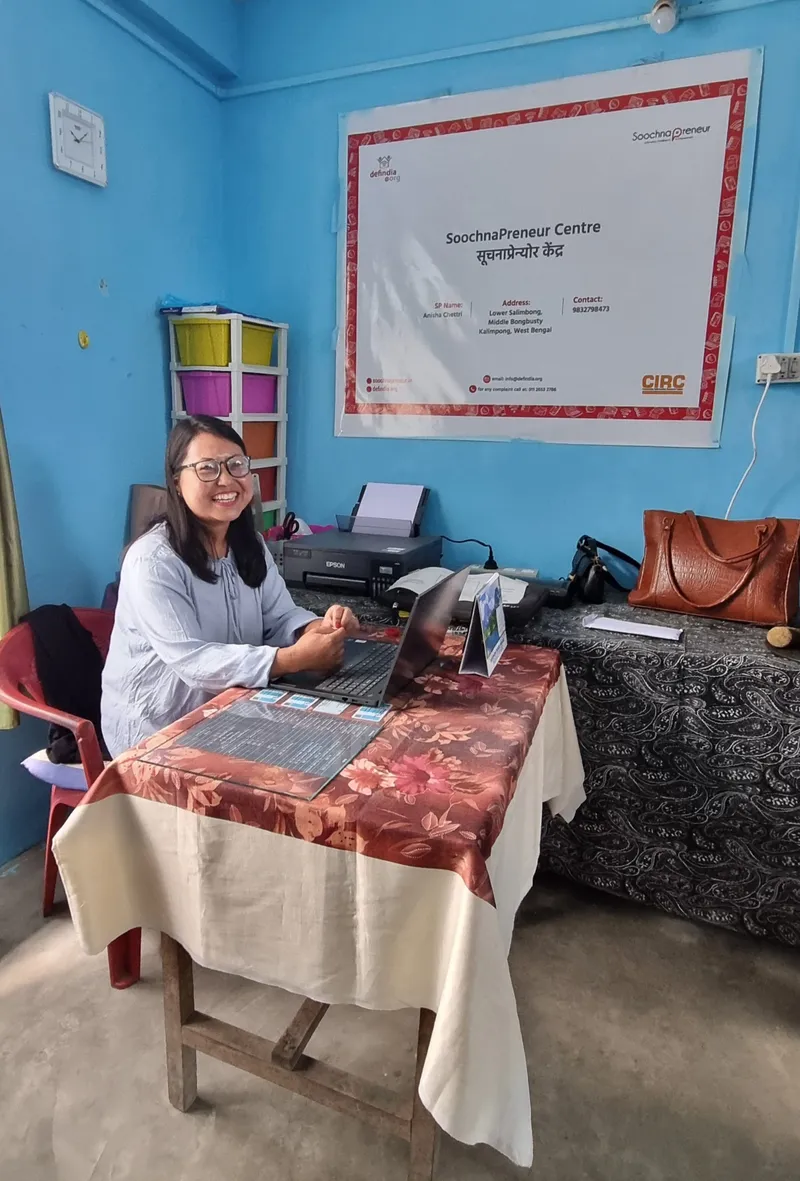
The SoochnaPreneur model of ‘infopreneurs’ leverages Community Information Resource Centres (CIRC) to harness locally available resources and intimate community knowledge. “SoochnaPreneurs combine their training in digital tools with their knowledge of local needs to act as crucial intermediaries,” he explains.
DEF currently runs 2,400 CIRCs, each powered by a SoochnaPreneur. “Half of them are women, and 500 are people with disabilities. We promote empowerment and leadership across our centres,” Manzar says.
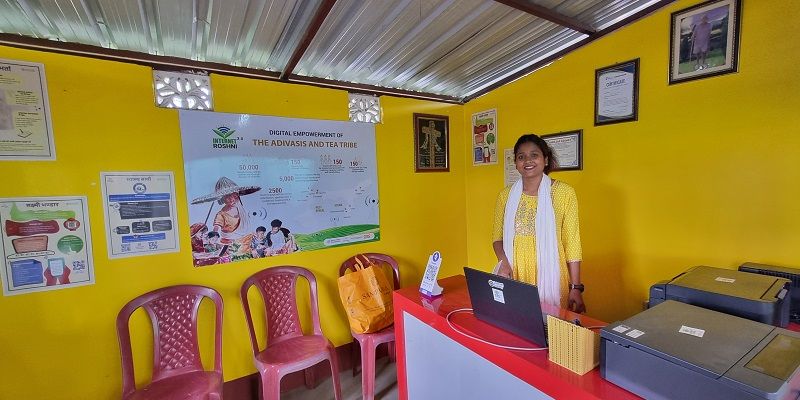
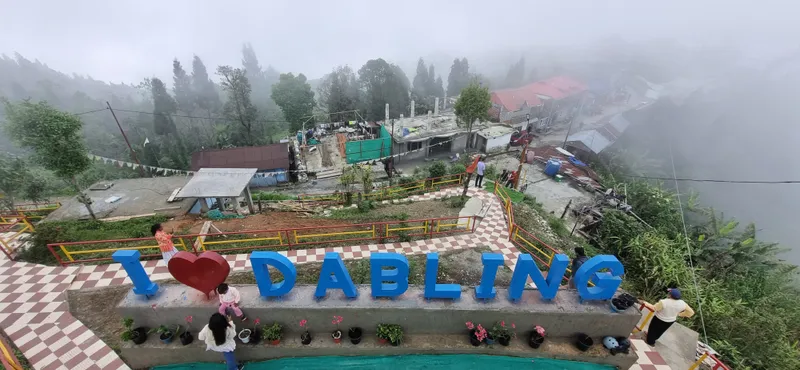
In this photo essay, we share highlights from visits to three DEF CIRCs in north Bengal: Kalimpong, Dabling and Dooars. The site visits revealed valuable insights into DEF’s work, the information needs of remote communities, and the necessity to empower social entrepreneurs even more.
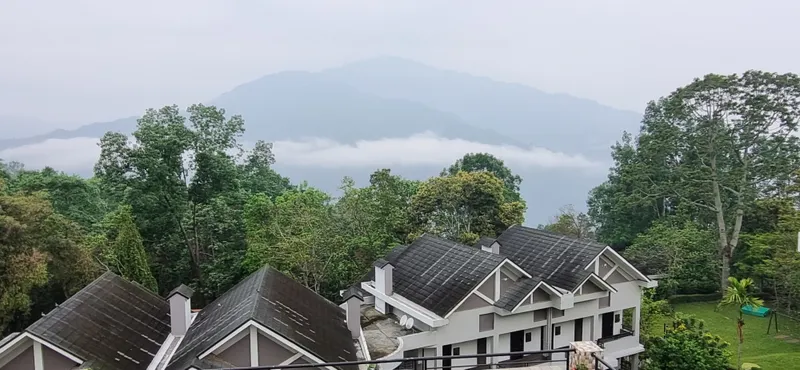
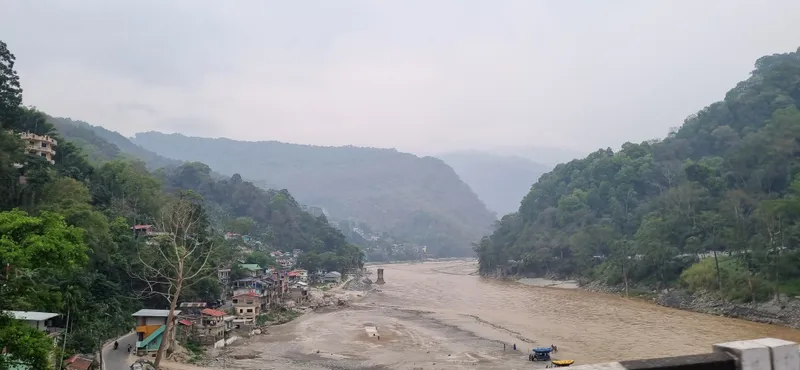
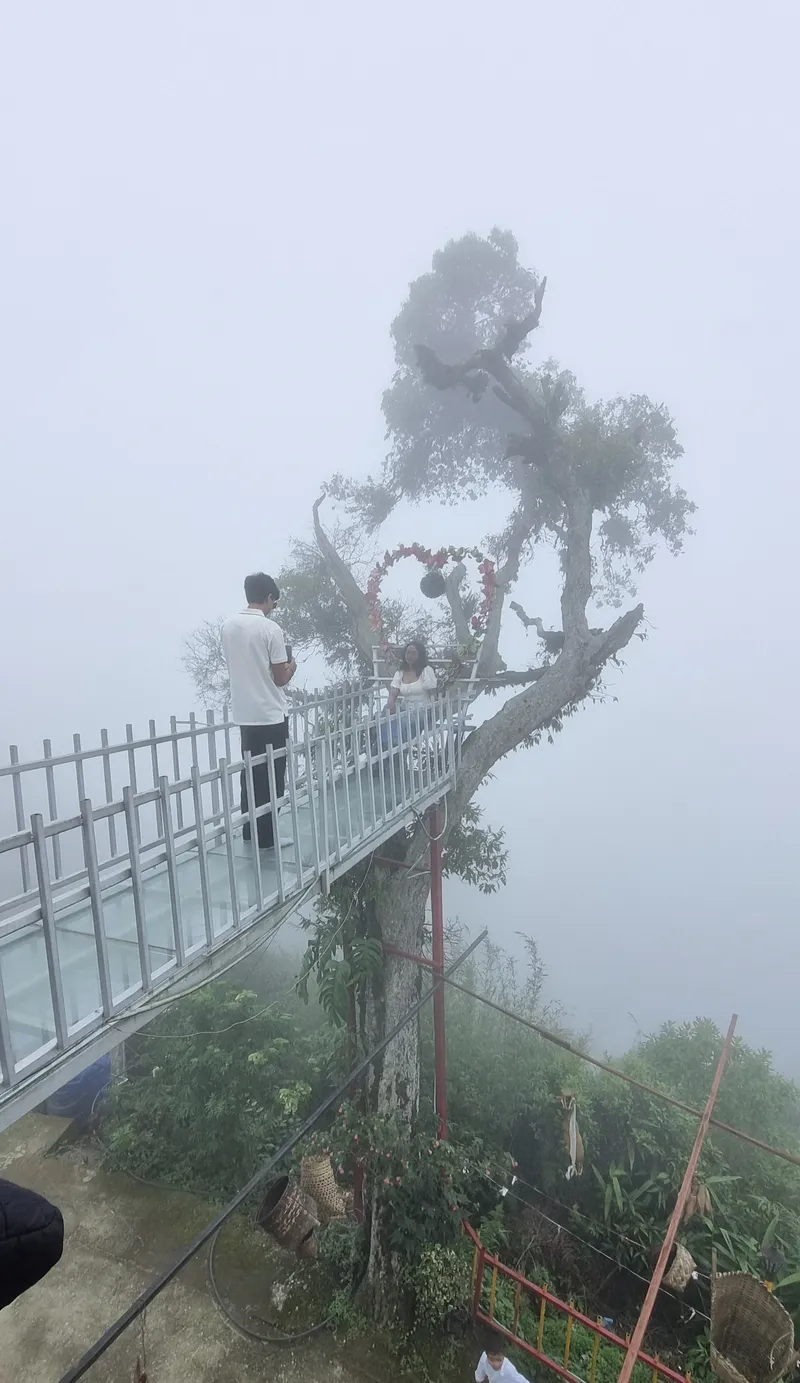
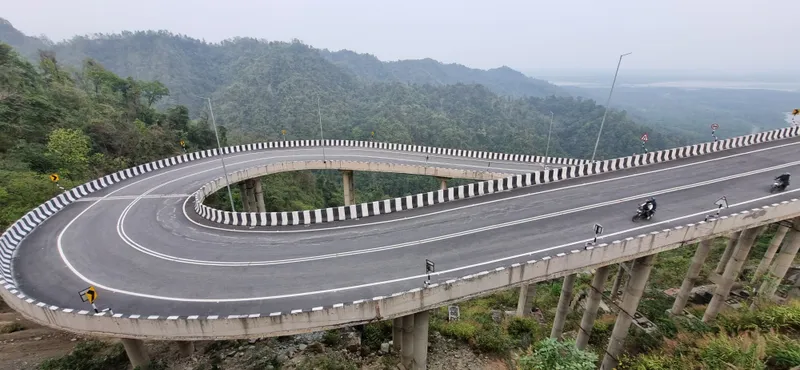
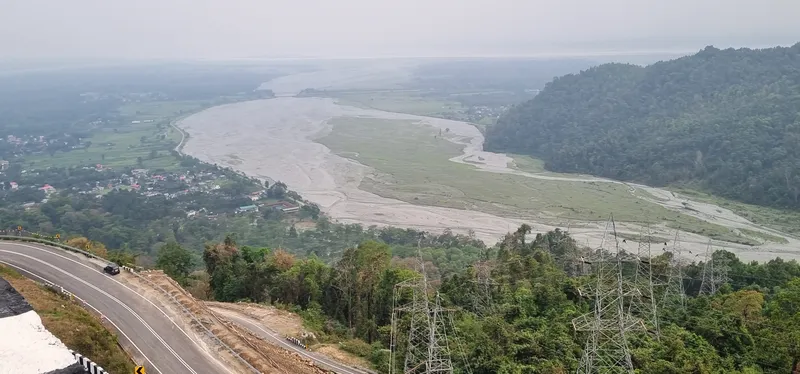
The visits provided real-world immersion in the CIRC workplace, a deeper understanding of the services offered, design of the venue, and surrounding ambience. The journey to the three venues also offered spectacular views of the surrounding environment and habitat via air travel and road.
It revealed how many of the communities live in harmony with nature – but also the challenges that over-development can cause. Nature and community also drive the local economy, eg. tourism and food resources.
As shown in the photo essay, the CIRCs offer a range of services such as information on employment schemes, banking support, public health updates, and digital learning tools to bridge the education gap in rural areas. SoochnaPreneurs help local citizens access essential equipment and devices, benefit from skill development programmes, and drive government transparency.
Also Read

Year in review: What 2025’s data tells us about women in India
The centres have reached over four million citizens, helped deliver 800,000 entitlements, and contributed to around Rs 12,000 monthly income for SoochnaPreneurs in remote areas, according to DEF.
“CIRCs aim to strengthen e-governance, enhance the effective implementation of policies, and create sustainable digital ecosystems. By addressing the communication gap between the government and the people, we strive to empower underserved communities and actively engage them in governance,” Manzar adds.
SoochnaPreneurs are selected based on their digital literacy skills, creative thinking, community engagement, networking capabilities, family support, and willingness to empower fellow citizens.
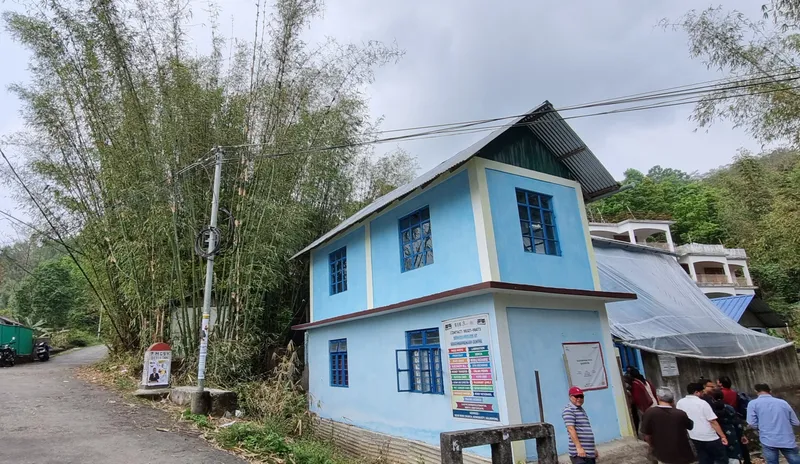
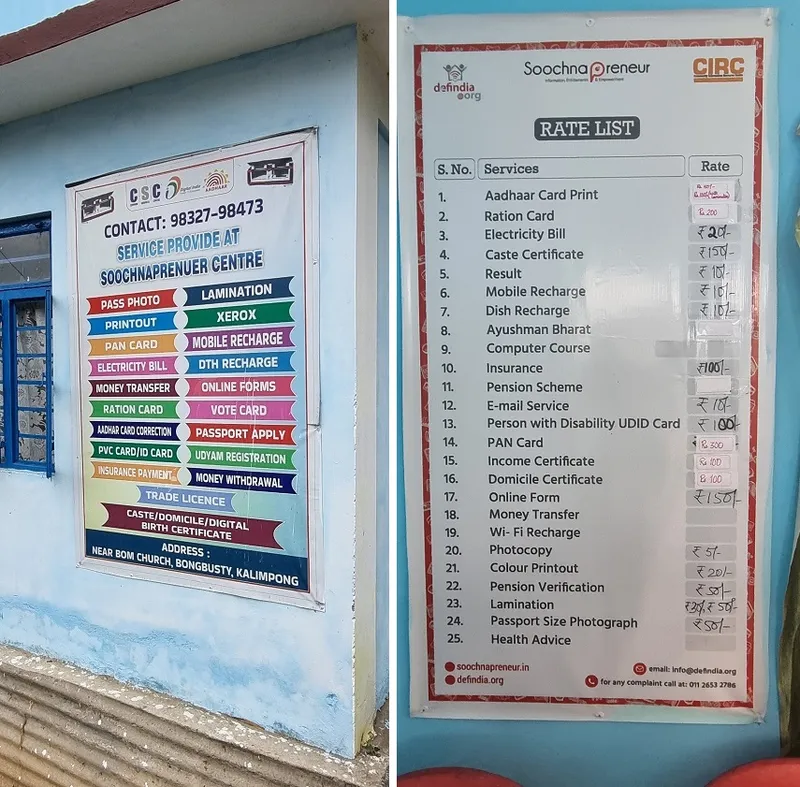
The CIRC services include information on government scholarships, pension, bill payments, insurance, online counselling, skills certifications, resume building, and travel bookings. Other services are onboarding in ONDC platforms, product marketing, training on handling misinformation, and rural tourism.
In addition to supporting CIRCs, DEF has helped preserve and promote local languages like Lepcha. For example, the Kalimpong-based Rongring Lepcha Culture and Welfare Society (RLCWS) won a World Summit Award in 2023 for its digital support for Lepcha.
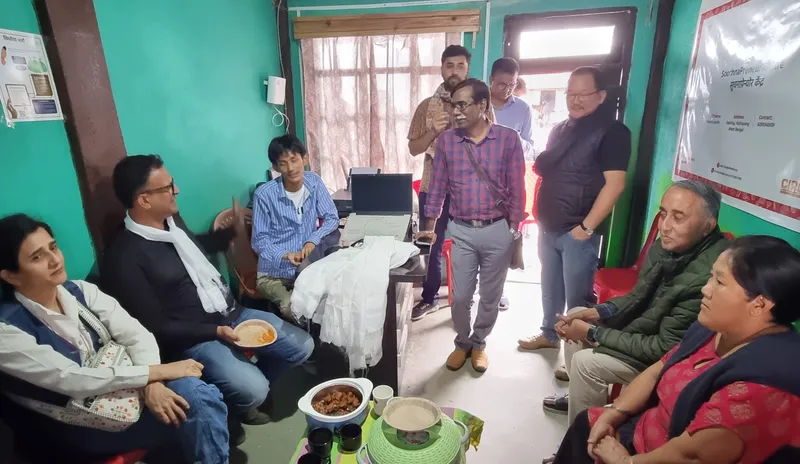
The CIRC visits reveal strong SoochnaPreneur commitment to their work even in the face of hardships in remote areas. Some of them work out of home settings, others in independent centres.
Also Read

How IIT Madras Incubation Cell is powering India’s next-gen deeptech startups
Some have educational backgrounds in social work, others are funded by the local NGOs. They all express a commitment to a higher cause of empowering their communities, doing good for the public, and educating themselves to serve others even better.
Many SoochnaPreneurs shared stories of their professional and personal journeys, and of their customers. Several also faced social opposition – and overcame them. A number of research reports have been published on CIRC categories, activities, impact metrics, and methods of financial sustainability.
Passang Lepcha, the SoochnaPreneur at the Kalimpong CIRC in Dabling, is pursuing graduation through Indira Gandhi National Open University (IGNOU). “I have already learned basic computer skills through a six-month computer course in Kalimpong, which helped me understand online systems and digital services better,” he says.
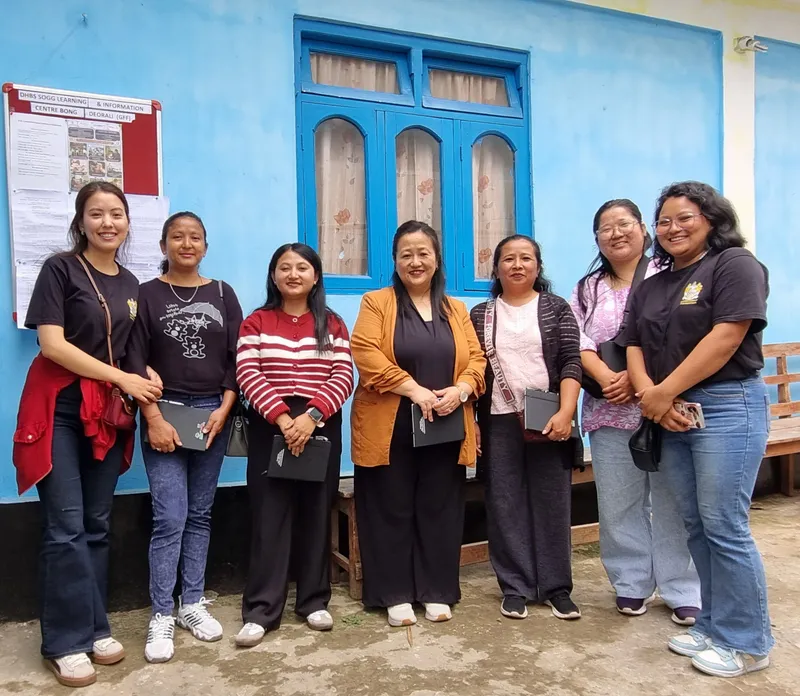
“Today, most of my work revolves around helping local residents with ration cards, tribal certificates, voter cards, and other digital services. In our area, ration card work has increased a lot because mobile number linking has become mandatory,” he explains.
Many people, especially elders, struggle with this process because their Aadhaar-linked mobile numbers are either inactive or not updated. In other cases, several youth who recently turned 18 received their EPIC numbers but did not receive their physical voter cards, and had to turn to the local CIRC for help.
“Our area has around 500 households, which would mean about 2,000 residents. Most of the population belongs to the Lepcha community, though there are also people from Rai, Thapa, and Gurung communities. They come to me for support with forms, downloads, document printing, and authentication,” Passang says.
Also Read

Year in Review: Top 10 celebrity-backed ventures of 2025
He also provides banking services through a company license, and helps people fill online forms for caste certificates and other schemes. Whenever new pension schemes are announced, he shares updates through a WhatsApp group.
“Another common service I provide is preparing digital documents and photos. Many people need resized passport photographs for applications, so I edit, resize, and upload the photos according to the required dimensions,” he says.
Other services are converting old ration papers into digital copies. They have become important because many residents are still transitioning from physical to digital systems.
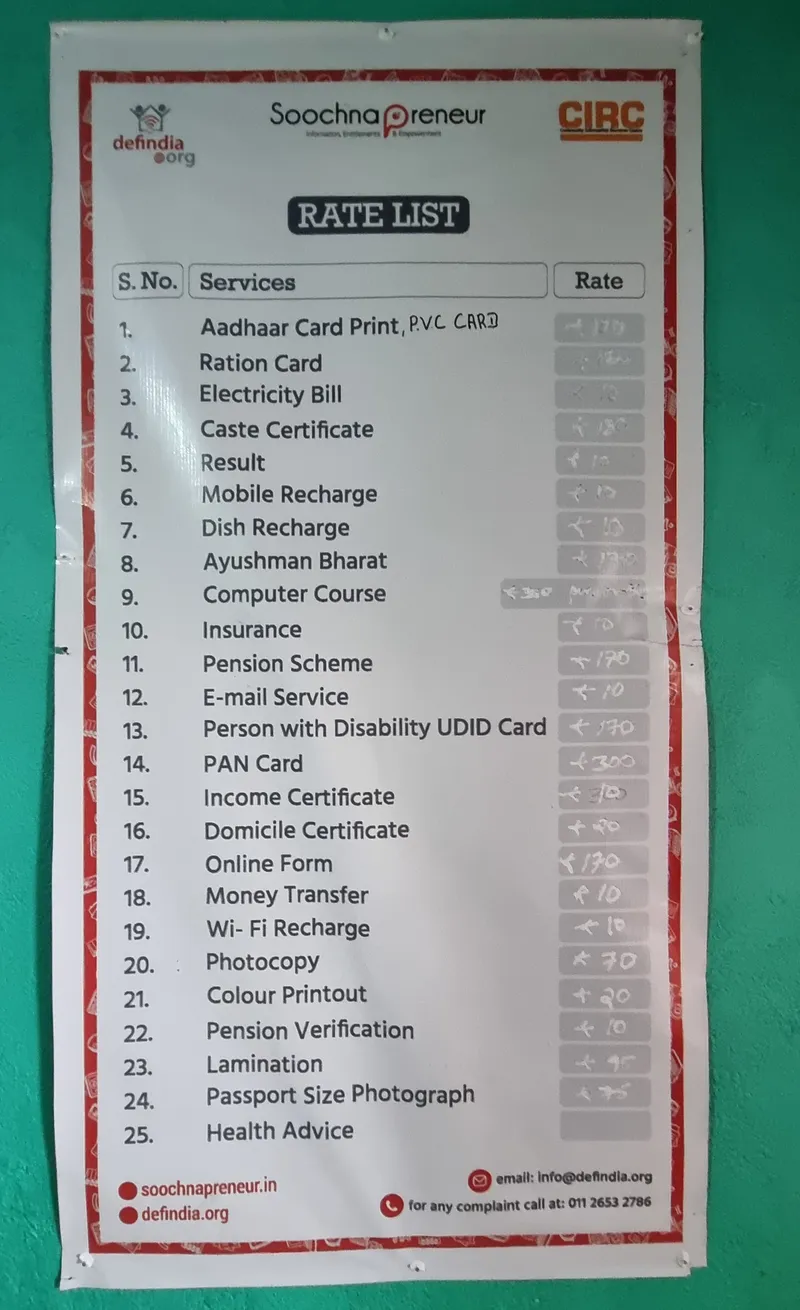
Diya Paswan, the SoochnaPreneur from Jalpaiguri’s Manabari Tea Garden CIRC, provides basic services like photocopying, passport-size photo printing, and other printouts. “One of the biggest challenges is the internet connectivity in my area,” she says.
This has adversely affected online service provision and training opportunities related to PAN cards and ration cards. “I hope that with better internet connectivity and proper training support, I will be able to provide more digital services confidently to the people in my area,” she says.
Priyanka Paswan, the SoochnaPreneur from Alipurduar’s Bandapani Tea Garden near the Bhutan Border, observes that there are a number of nearby cafes and service centres that end up creating more confusion and even exploit villagers. Her team has conducted surveys in nearby villages that reveal difficulties in getting caste certificates, handling small Aadhaar mismatches, and getting prompt services from authorities.
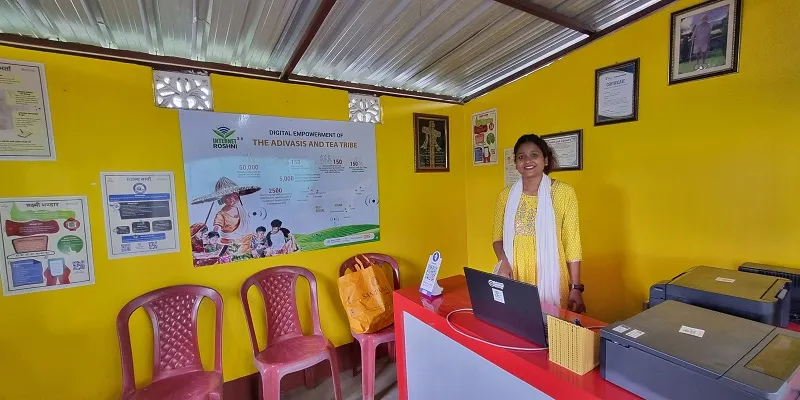
“Through DEF, we received extensive training about digital documents, schemes, and online applications. Because of that training, we gained confidence and are now able to help people apply for many different services,” she explains.
“The most important thing is that people trust us. Villagers travel from faraway places to reach us because they know we will genuinely try to help them,” she proudly says.
Her team goes directly into villages and tea garden areas where the nearest town is around 14 kilometers away, and access to services becomes extremely difficult. Network connectivity is very poor, and even a little rainfall disrupts access.
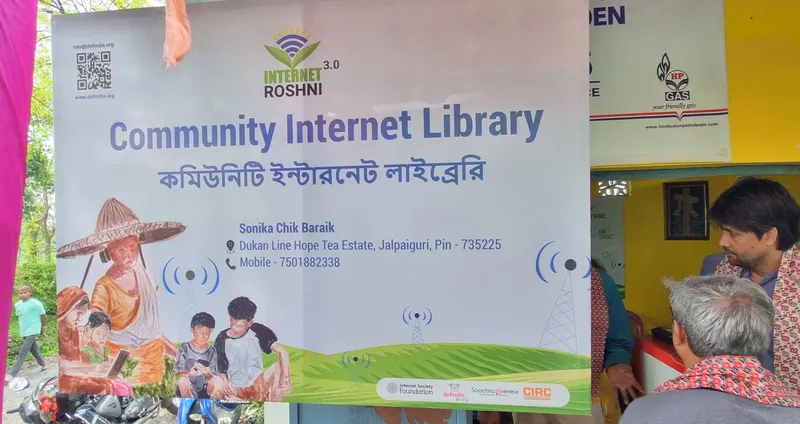
“Many people contact me regarding ration cards and mobile number linking. I check when updates were attempted, and help them understand exactly what happened when things seem to go wrong,” she says.
Other tea-garden area SoochanPreneurs such as Maya Kumari Jha, Farida Parvin, Prity Tirkey, and Mehar Nazmi shared details of services provided via lamination machines, biometric devices, printers, and photo-copiers for applications of polio cards and birth certificates.
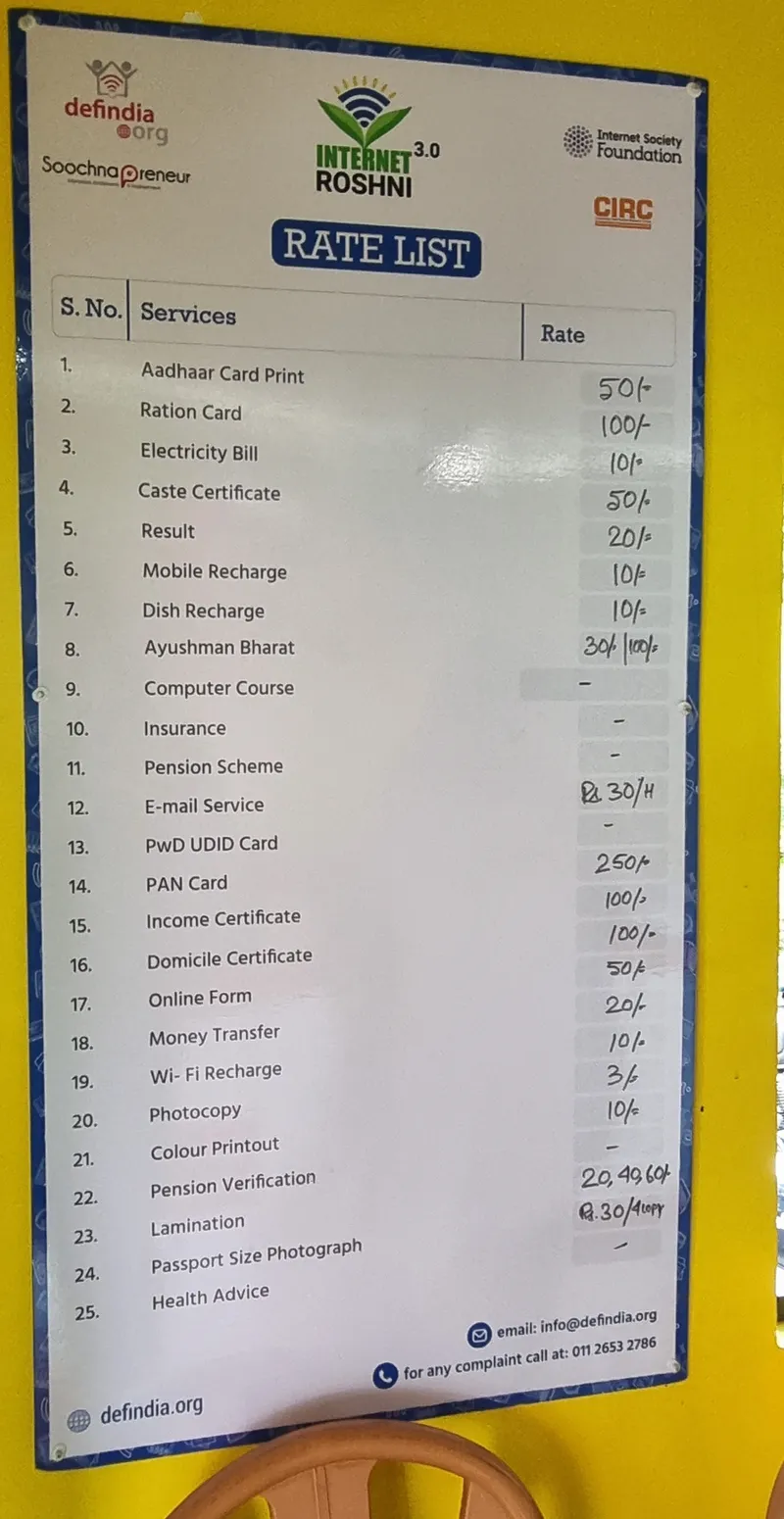
The visits thus helped understand the kinds of CIRC services offered, their price points, demand, monthly revenue, and paths to sustainability. Other discussions addressed infrastructural issues like availability of electricity and internet. Solar power was recommended as a solution for some of the mountain-located CIRCs where landslides can lead to power cuts of several hours to a few days.
Also Read

Year in review: startups that raised big from VCs in 2025
“The SoochnaPreneur model fosters economic resilience. It helps by reducing financial vulnerability of local households and ensures more reliable income opportunities,” Manzar says.
It encourages autonomy and long-term sustainability. “This improves the quality of life by overcoming critical information gaps and enabling informed decision-making,” he adds.
In sum, the SoochnaPreneur model helps democratise information access in rural India. It fosters social entrepreneurship, enables women to take leadership roles, enhances digital literacy, encourages the creation of micro-enterprises, and bridges language barriers.
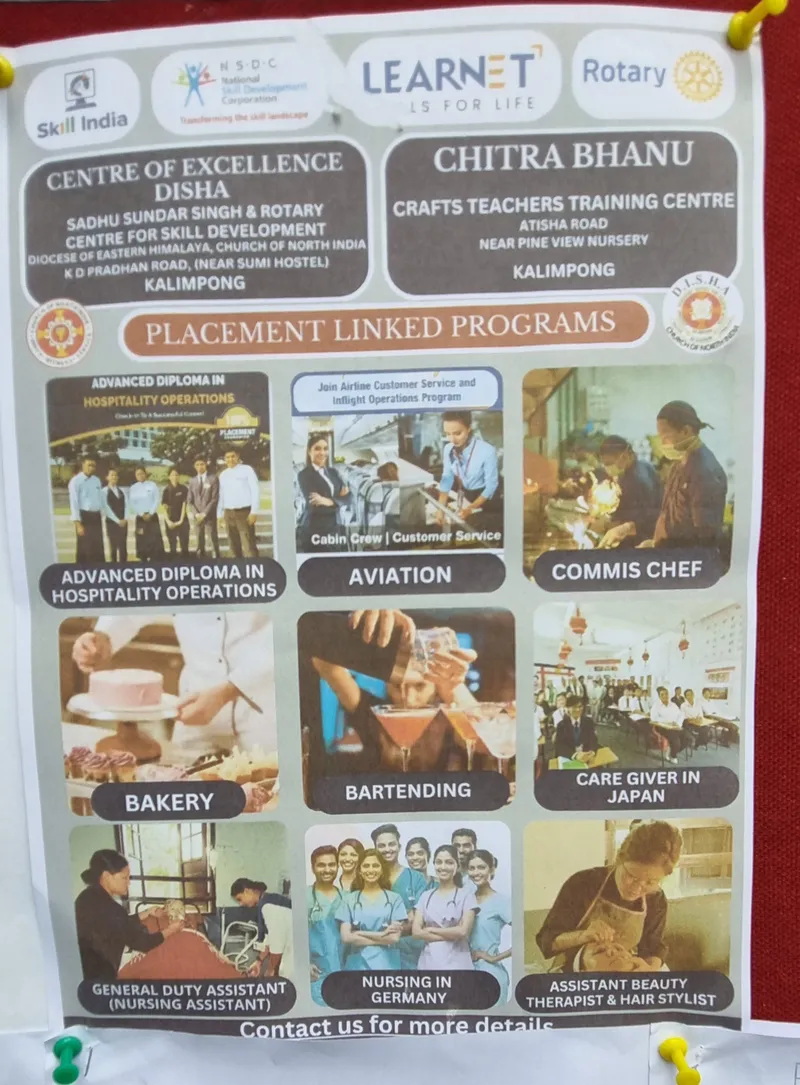
DEF promotes peer-to-peer learning networks across CIRCs. This helps in fostering a culture of shared knowledge and mutual growth for SoochnaPreneurs.
“Ultimately, the SoochnaPreneur model helps contribute to sustainable digital ecosystems by integrating technology into daily rural life for lasting impact,” Manzar signs off.
Now what have you done today to pause in your busy schedule and harness your creative side for a better world?
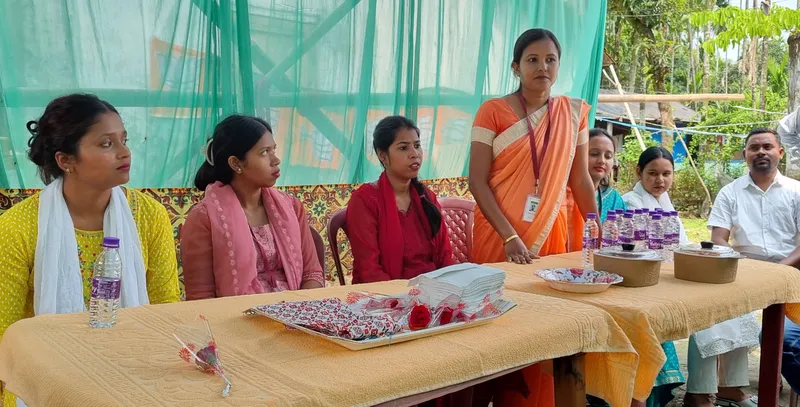
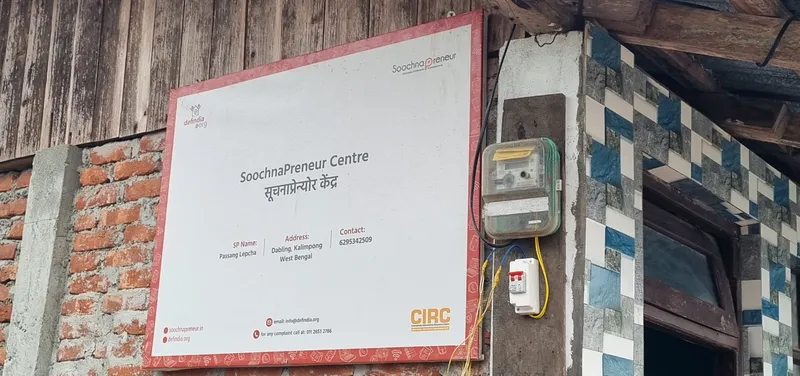
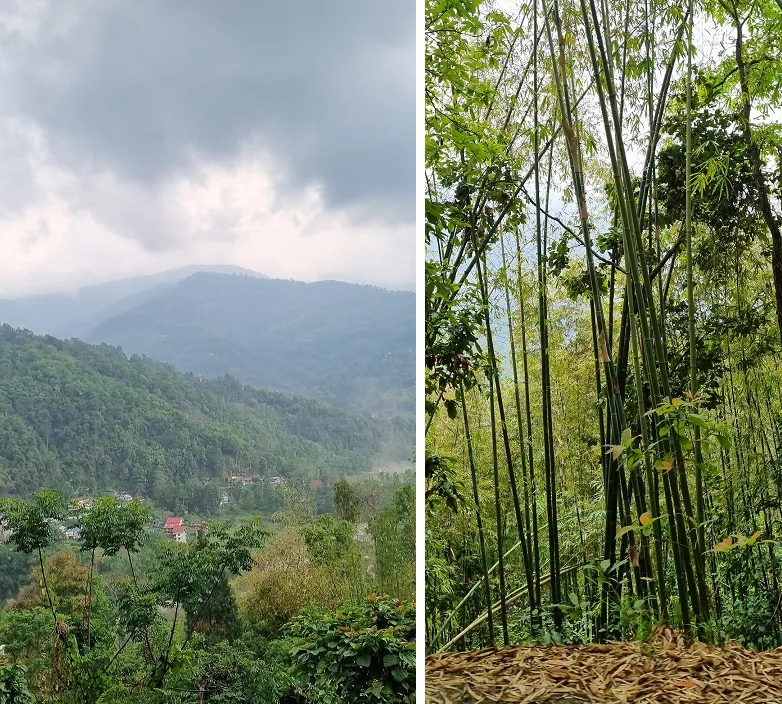


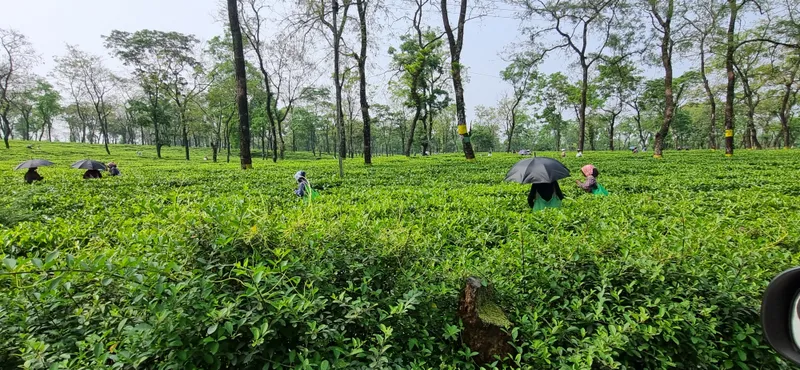
(All photographs taken by Madanmohan Rao on location at DEF CIRCs. The author serves on the Board of DEF.)