


Digital Transformation Is More Important Than Ever | SME Speaks


Going from Harvard classrooms to the shop floor is rare. So, when I told my classmates that I would work in a factory after graduation, most were curious about this choice. Why would anyone want to join an industry often seen as outdated?
My answer was always the same: Legacy manufacturers aren’t outdated; they are proven businesses, and digital transformation presents a chance for them to unlock even more value. But digital transformation is not about putting new tools on the shop floor for the sake of it. Instead, it requires rethinking the whole company.
For legacy manufacturing companies, digital transformation is no longer optional. It is urgent. Three forces are converging to make this transformation essential:
- Competitiveness is imperative. The risk of being outpaced by more tech-savvy companies is too high to ignore.
- Lack of organizational agility. Legacy companies are often constrained by obsolete tools and rigid processes that prevent fast adaptation. Any change requires weeks of coordination and manual updates. In a volatile, uncertain and complex world, this is not sustainable. Digital transformation can help build resilience.
- Talent expectations. This is the most pressing challenge, in my opinion. Tomorrow’s talent won’t join the factory of yesterday. They will join a company that prepares them for the future, where they can develop the skills they will need throughout their careers. They also expect a workplace where digital tools and LLMs (large language models) are already widespread.
The task can seem daunting. What can legacy companies do?
A good starting point is to craft a compelling vision. People don’t get inspired by tools but by purpose. Leadership must paint an exciting future to align the entire organization around why transformation matters and get buy-in from employees.
A clear vision aligns teams and gives them the autonomy to explore how to get there. It makes sure that employees are included in the transformation. This is critical because people only feel responsible for change that they help shape.
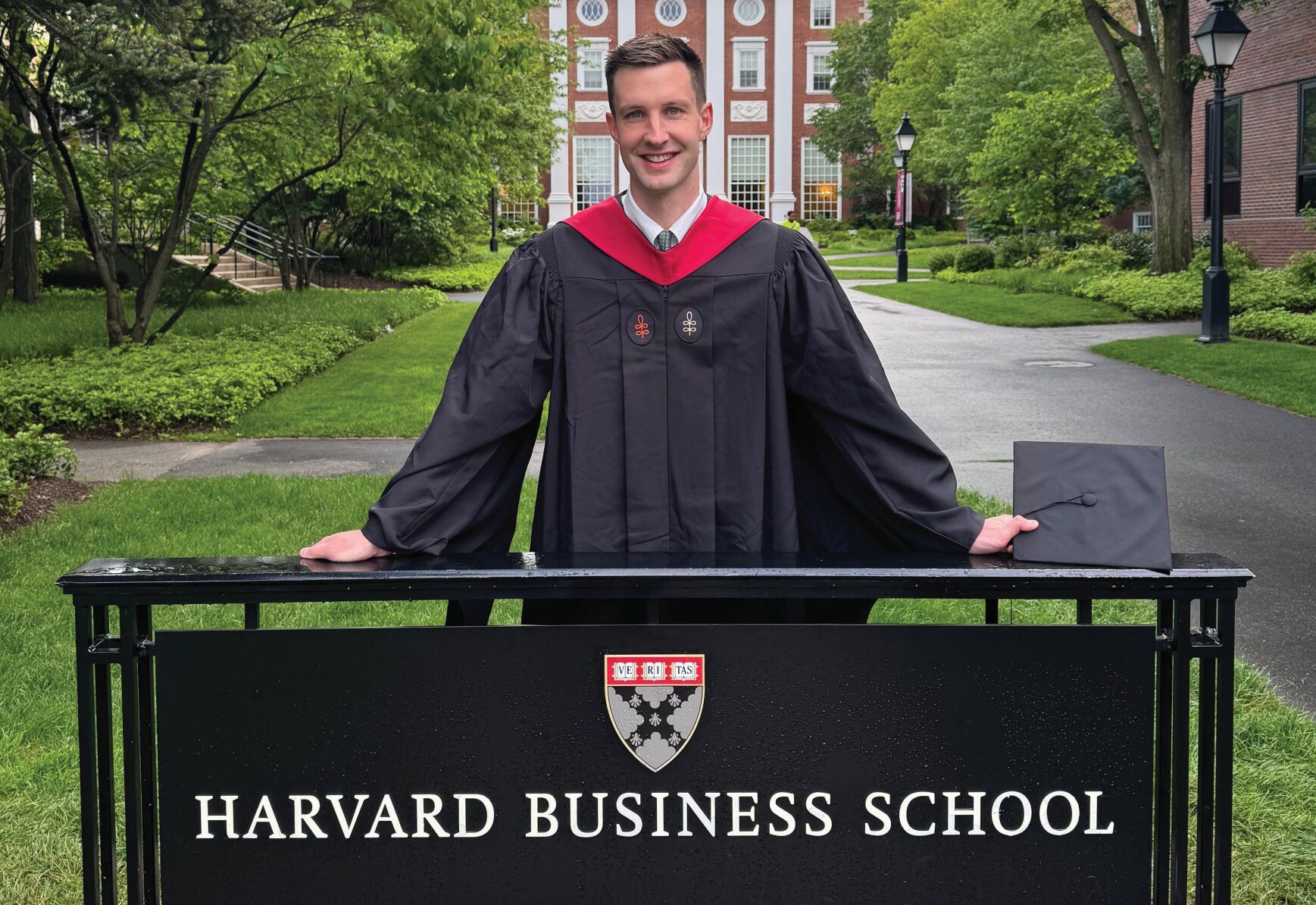

Roch Desrousseaux began his manufacturing career at Michelin Tire in July, soon after graduating with two degrees from Harvard University.
This approach aligns closely with SME’s Mission Critical: 2030 initiative, which identifies digital transformation as a key pillar for building a resilient and competitive manufacturing base for the future.
Another good tactic is to experiment fast. Legacy businesses have an edge over startups. Their processes may not be optimal, but they already work and can be quickly improved with the right digital tools. Unlike younger companies, they don’t need to reinvent the wheel.
By embracing rapid, grassroots experimentation and focusing on multiple small initiatives rather than one or two large ones, legacy companies foster a culture of continuous learning and meaningful progress, without sacrificing the quality that made their reputation.
Companies should also strive to empower their workforce. To retain talent, promising employees need the opportunity to lead digital projects. This gives them visibility, creates ownership and reduces turnover among those who might otherwise seek a more dynamic environment.
Additional training should be available and rewarding for those who desire it. Implementing a voluntary upskilling program with clear incentives, such as certificates or recognition, encourages employees to build their digital capabilities. Research shows people are more likely to adopt new skills when they opt in, rather than when training is mandatory.
It is also important to stay committed as new challenges arise. Over time, every legacy company will face a common roadblock. Change is uncomfortable. After the first bump in the road, it may be tempting to go back to the old ways. When that happens, executives must reaffirm their commitment to the vision and address fears.
Overall, I believe digital transformation is both the tool and the mindset that will prevent legacy manufacturing companies from becoming obsolete. It is not about mimicking startups. It is about blending historical expertise with digital speed. For those navigating these changes, peer networks such as SME local chapters can be a great resource to exchange ideas and share advice. I joined SME to make an impact. You can, too.
Roch Desrousseaux earned an MBA from Harvard Business School and an MS from the Harvard John A. Paulson School of Engineering and Applied Sciences. He was a Baker Scholar, graduating in the top 5% of his class. He recently joined Michelin to oversee digital transformation at the company’s plant in Spartanburg, S.C.