


BBC launches media literacy series to help young people spot fake news online | News
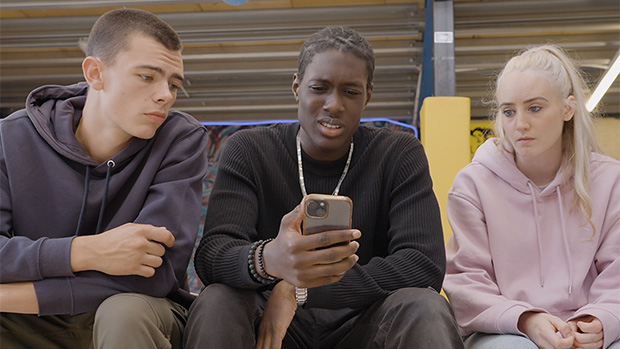
Solve the Story offers practical tools to tackle misinformation and disinformation
The BBC has launched a media literacy series to help teens separate fact from fiction online as part of its educational offering Bitesize.
Six-part series Solve the Story is designed to equip students and teachers with practical tools to tackle misinformation and disinformation.
The mystery series sees characters apply media literacy skills to uncover the truth, by analysing sources, questioning assumptions, identifying deepfakes, challenging viral claims and spotting bias. Each episode is paired with a ‘how-to’ guide offering clear, practical steps for teachers and resources for classroom use.
The BBC commissioner for Solve the Story is Andrew Swanson. Patricia Hidalgo, director of BBC Children’s and Education, described it as “a vital next step towards empowering students and supporting educators in tackling misinformation.”
It comes as part of the BBC’s Other Side of the Story initiative, which it is looking to bring into classrooms around the country to help teenagers question what they see online, verify sources, spot fakes and understand how misleading narratives spread.
Critical thinking and media literacy are now seen as essential skills for young people, yet many schools lack the resources to teach them, according to new research with teachers, commissioned for BBC Bitesize.
Over half of teachers say they need more support to help pupils identify misinformation, as teens increasingly struggle to separate fact from fiction online, a challenge linked to rising anxiety levels.
The roll-out comes amid mounting evidence that young people are struggling to manage the sheer scale and sophistication of online content.
According to research commissioned by the BBC involving more than 400 teachers, critical thinking is now considered the single most important skill for young people, yet one in three teachers say it is difficult to teach, citing lack of time, resources and curriculum pressure.
More than half of the teachers who took part in the research said they need more support in helping pupils recognise misinformation, and that media literacy is not covered well enough in the current curriculum.
Teachers also warn that students are already “outpacing adults” online, with the rate of digital change widening the skills gap in the classroom. The research also suggests that parents echoed this concern, as many felt their own digital skills were already outdated.
Hidalgo said: “In today’s digital landscape, media literacy isn’t a luxury, it’s a necessity. Solve the Story will help schools to equip young people with the critical thinking tools they need to navigate online content confidently, verify what they see and protect their mental wellbeing.”