

Digital Wallets Are Reshaping How People Spend and Play

As entertainment becomes increasingly digital via mobile gaming, e-commerce, and real-money experiences like a real money online casino, payment services developers have had to digitize their offerings in kind. Today, this technology is most evident in digital wallets, providing users with a flexible option for storing, accessing, and transferring funds online, making it easier to interact with online entertainment.
Given their relative novelty, digital wallets may initially appear untrustworthy or gimmicky, but recent adoption rates indicate that they are quite popular due to their convenience and security. Understanding what these wallets are, how they work, and why people use them can help prospective users decide whether digital wallets are right for them.
The Rise of Digital Wallets in Everyday Spending
The use of digital wallets has grown significantly in recent years; according to a CapitalOne study, “53% of Americans used digital wallets more frequently than traditional payment methods in 2023” and “64% used digital wallets at least as often.” Since then, the use of digital wallets has grown, demonstrating their immense popularity, largely due to their practicality.
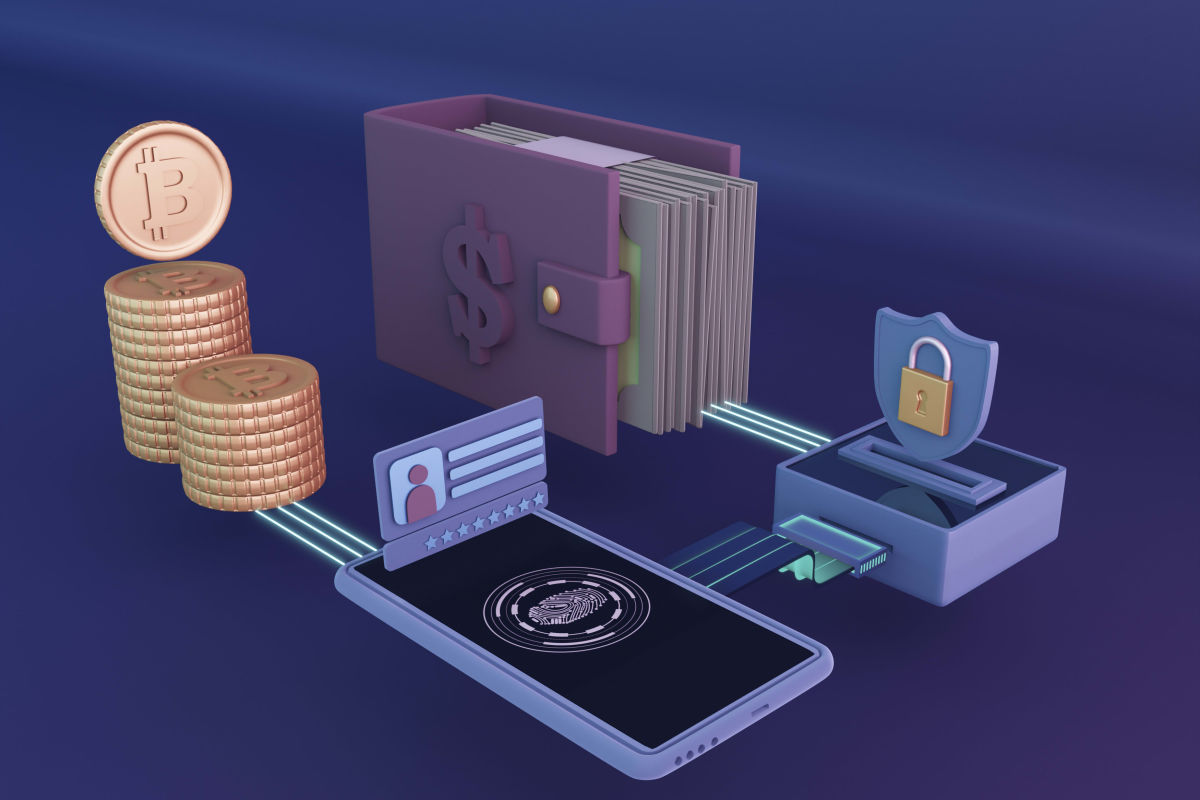
By eliminating the inconvenience of paying with cash or checks, digital wallet platforms offer users a convenient, secure way to send money, make purchases, and manage their finances directly from their smartphones or other smart devices. Notably, some digital wallets can support multiple funding sources, making them highly adaptable. Credit and debit cards, bank accounts, and even cryptocurrency are viable options for digital wallets to draw from.
Many people use digital wallets to facilitate online shopping, but digital wallets have also made it possible for users to tap and pay with smart devices at physical stores, including some ATMs, for greater convenience.
How Digital Wallets Enhance Online Gaming
Although digital wallets see use in a wide variety of everyday applications, they have grown especially prominent in the gaming industry. Mobile and casual gaming, in particular, appear to utilize digital wallets the most, as they enable players to quickly and easily make in-game purchases, upgrade their experiences, and access exclusive content with just a single tap.
In more advanced ecosystems, digital wallets are enabling frictionless real-money transactions. This use-case is most prevalent in online casinos that make use of real money, as casino players rely on digital payment systems for secure deposits and withdrawals. In doing so, their overall experiences are smoother and more trustworthy than they likely would be if they had to go with a more traditional route, like linking their checking account directly to the website or app.
Digital Wallets and Financial Inclusion
While convenience and security are certainly some of the most important aspects of digital wallets to those who already have some measure of access to financial tools like banks, digital wallets also serve as a means of connecting those who previously lacked financial options to the digital economy.
This process is possible thanks to a specific kind of digital wallet, dubbed a “mobile wallet.” Mobile wallets are simply digital wallets that can be accessed via a mobile device, making it possible for those with smartphones to access financial services that may not otherwise be available to them.
As a result, people who lack access to traditional banking can use mobile wallets to take part in digital entertainment in the forms of subscription services, gaming platforms, and digital marketplaces, many of which require real-time payment capabilities.
Providing Much-Needed Security and Trust
For some time, one of the most pressing concerns with digital wallets was their security capabilities, as people feared they could be easily hacked and broken into. Although the risk of hacking is still present, it has since largely been mitigated due to technological advancements like multi-factor authentication and tokenization.
Most platforms use these security measures to make it significantly more difficult for bad actors to commit identity theft or credit card fraud, thereby keeping the funds stored inside safe. These platforms also often offer additional security tools like biometric verification and PINs to further protect their contents from security breaches.
There is still room for user error, however, so digital wallet holders should implement good practices like using strong passwords and avoiding making transactions on unsecured WiFi networks.
What the Future Holds for Digital Transactions
With digital payment options becoming more prevalent and popular, there is a good chance that spending as a whole will go completely digital in the near future. In addition to current technologies like two-factor authentication and tap-to-pay, upcoming innovations in AI, blockchain, and real-time analytics could see digital wallets become even more integrated into daily life.
In few places will these advancements be as noticeable as in the gaming industry, as users may well see improved accessibility when it comes to online gaming, with payment services and entertainment options alike becoming increasingly digital. Where exactly these developments will go next remains to be seen, but in the interim, there is plenty to gain from having access to a more interconnected economy.