

For everything from agriculture to education, a connected community will help bridge inequality
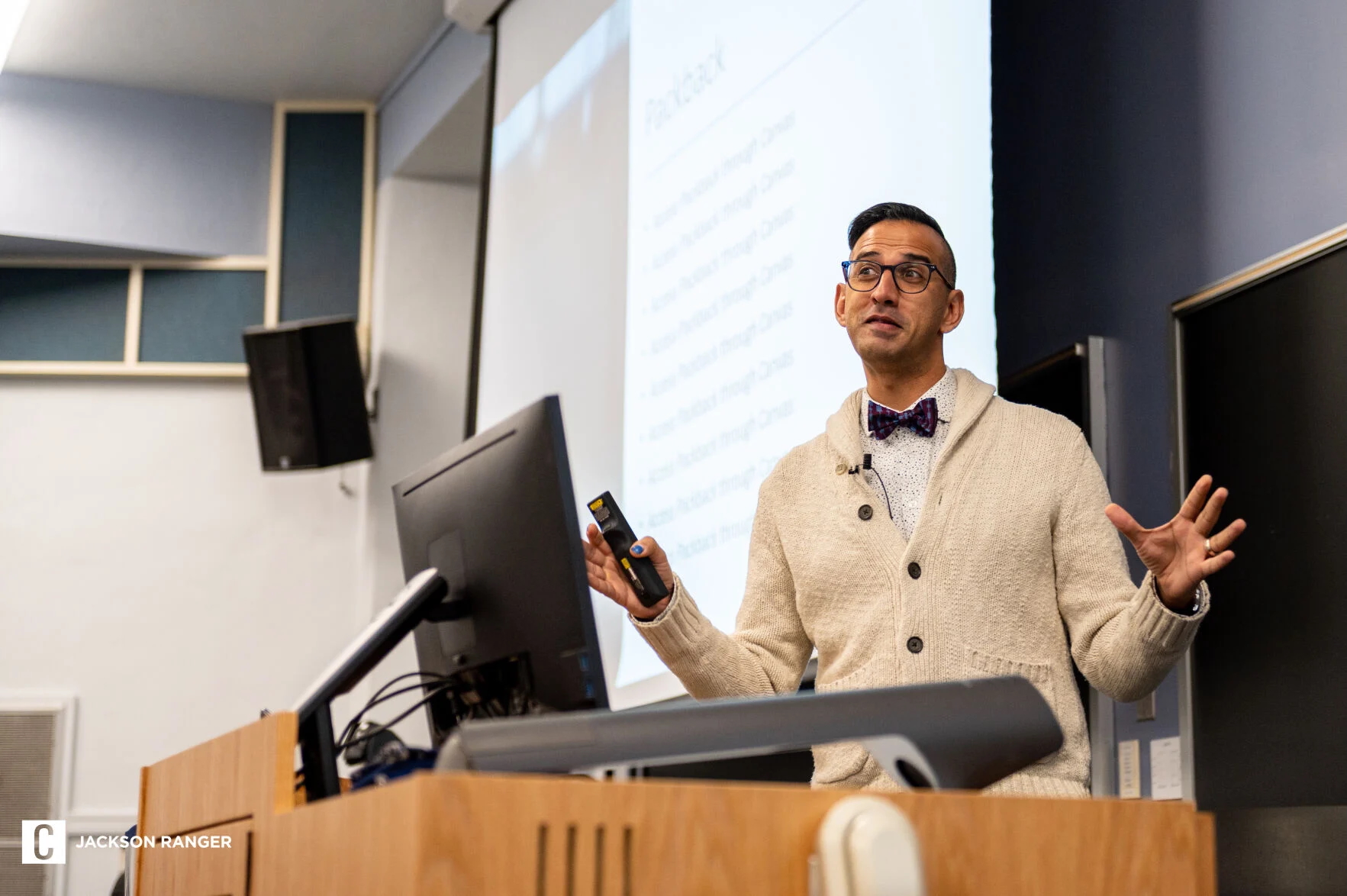
When I was conducting interviews for my new book on the digital divide, one of my respondents told me, “Connectivity is life.”
I’ve been thinking a lot about this phrase, and, with no offense intended, I want to amend it to, “Connection is life.” Connection is innately human; we are a social species, dependent on conversation and communication for our well-being. One of the primary ways that we connect today is through the internet and digital platforms.
But, tens of millions of Americans do not have this privilege: 26 million people do not have access to a broadband network, 50 million qualify for a subsidized monthly broadband subscription, and millions do not have the skills necessary to take advantage of digital opportunities.

The first step to creating our shared future is imagining it.
For Charlottesville Tomorrow’s 20th anniversary, we are inviting central Virginians to share their visions for the next 20 years.
Ten years ago, we would have said that these people are on the “wrong” side of the digital divide. Today, we know this reality is much more complex. It is not about right or wrong sides, but rather about degrees of access. And so, today we say that people experience what University of Zurich Professor Eszter Hargittai calls “digital inequality.” Those from rural and tribal communities, minorities (especially Black and Latinx people), low-income households, people with disabilities, newcomers, non-English language speakers, members of the LGBTQ+ community, and those who have been incarcerated experience digital inequality at higher rates than the population as a whole.
This reminds us that the digital divide really isn’t about technology at all, but rather about marginalization and power.
Like it or hate it, the internet is a crucial part of our everyday life. It powers education, economic development, job searches, healthcare, civic engagement and quality of life. But for so many, including those in the Charlottesville area, digital opportunities are beyond their reach.
As an expert in the digital divide, reaching unconnected communities was one of my priorities when I was on the board of Charlottesville Tomorrow from 2020 through 2023. As an online news organization, we asked ourselves, how do we reach those who are un- and under-connected? And, more importantly, what is our responsibility to these neighbors?
I was thrilled when we were present at community events (and manned a few info booths myself). Charlottesville Tomorrow’s partnership with Vinegar Hill Magazine and In My Humble Opinion in Charlottesville Inclusive Media is inspired — radio and print remains a powerful way to reach communities. The partners’ work reminds me, and should remind all of us, that we all have a stake in achieving digital equity and inclusion. Our communities flourish when everyone has access to affordable, high-quality broadband, with the devices, training and support necessary to succeed. This goes the same for Charlottesville Tomorrow as it does our neighbors down the street.
Thankfully, Charlottesville and Albemarle County are ahead of the curve. 97% of the county and 98% of the city, respectively, have access to high-quality, high-speed internet. But just because one can access the internet, it doesn’t mean they can afford the hefty monthly subscriptions we are all asked to pay. Setting the tone for the country, Albemarle County pioneered what they call their “ACP Bridge” program, which provides a $20 per month subsidy for eligible low-income households to get high-speed internet access. This subsidy continues despite the end of the federal broadband subsidy program known as the Affordable Connectivity Program. While the program is winding down, it will hopefully spark the flame in other areas to continue. New York, for instance, has mandated that every provider offer a $15 per month plan to make sure that the internet is affordable throughout the state.
While we can celebrate the accomplishments of Albemarle County and Charlottesville City when it comes to internet connectivity, that does not mean it’s time to be complacent. There are still some pockets that need connecting and there are still families who need support. The digital divide is chronic, not an acute issue, because it is intricately tied to socio-racial-economic-political inequality, the erasure of which is something Charlottesville Tomorrow has championed.
We will not fully end the digital divide until we end inequality. Until then, there will always be a new technology, a new connection, a new app that separates the haves from the have-nots. Artificial intelligence is just the latest on this list.
This does not mean that we can’t continue to make progress. Connectivity and affordability have improved so much in the county in just the last few years. As we continue to push for digital equity and inclusion in Charlottesville, Albemarle County and Virginia, we are not too far from a future in which affordable broadband is available for everyone. If we can pair this with device access and education, so much is possible. It will mean enhanced job opportunities (92% of new jobs require digital skills according to the National Skills Alliance), higher academic achievement for our students, more precise and efficient agriculture. And yes, even stronger news and information ecosystems as more people will have access to news and the literacy skills necessary to decipher substance from hype.
A connected tomorrow for Charlottesville and Albemarle County means that everyone can take advantage of available digital tools, or, conversely, choose not to. It’s our job — mine, Charlottesville Tomorrow’s, and yours — to become the broadband champions that our communities and neighbors need.