

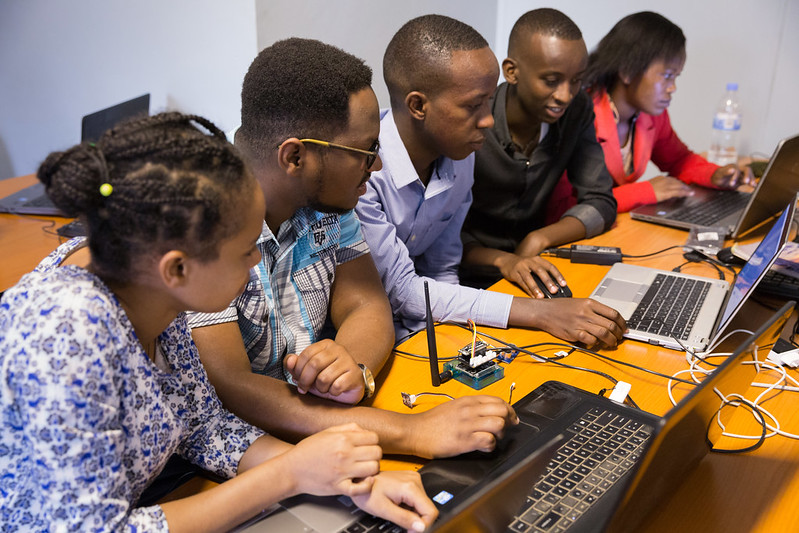
Giga and The Digital Divide in Africa
 Limited internet access across sub‑Saharan Africa affects far more than social media or streaming. It shapes whether students can learn, teachers can access training and health workers can reach patients in remote places. The Groupe Spéciale Mobile Association (GSMA) estimates that sub‑Saharan Africa has the world’s largest mobile internet usage gap, driven by affordability, skills and device access.
The United Nations Children’s Fund (UNICEF) and the International Telecommunication Union (ITU) report that two-thirds of the world’s school‑age children lack internet access at home. Children in low- and middle-income countries are particularly affected. Closing these gaps is central to cutting poverty and unlocking long‑term development.
How Connectivity Translates to Classrooms and Clinics
When schools get reliable internet, students can access digital lessons, teachers can join training and ministries can target support based on real‑time data. In health, mobile platforms let nurses triage cases, issue reminders and consult specialists without long referrals.
The result is time saved, better information and fewer missed appointments. In places where travel is costly or unsafe, digital services extend the reach of education and primary care.
Giga: Connecting Every School
Giga, a UNICEF and ITU partnership, works to connect every school to the internet and every young person to information and opportunity. The initiative maps schools, tracks connectivity in real time and supports governments in financing and procuring affordable services.
In sub‑Saharan Africa, Giga works with governments including Rwanda, Kenya, Sierra Leone, Niger and Zimbabwe to map schools and design viable financing models. Public‑private partnerships, satellite mapping and open data are helping countries plan where and how to connect first.
To speed up progress, Giga has teamed up with industry and tech partners to lower costs and expand coverage. Market assessments call for a collaborative push to connect every African school by 2030, while mapping work with companies like Mapbox and AI partners has identified tens of thousands of previously unmapped schools. Partnerships with providers such as Liquid and IHS Towers support connectivity rollouts and school mapping at scale.
Smart Africa: A Regional Blueprint for Scale
Smart Africa is a pan‑African alliance working toward a Single Digital Market. Its SMART Broadband 2025 blueprint aligns with U.N. Broadband Commission targets. It focuses on affordability, coverage and policy harmonization for faster rollout.
At the continental level, the African Union’s Digital Transformation Strategy aims to build a digital single market by 2030, with supportive regulation, regional infrastructure and cross‑border services. Together, these frameworks guide countries on spectrum, universal service funds and investment climates that make school and clinic connectivity more sustainable.
Mobile Health: Bringing Care to the Last Mile
Mobile health services show how connectivity improves daily life. In South Africa, Hello Doctor provides 24/7 phone and app access to registered doctors, including callback and prescription support within national regulations. Regional models go further. In Rwanda, the government signed a 10‑year agreement with Babyl to provide telemedicine through basic phones and data services, expanding access for millions who live far from clinics.
Pharmacy‑based telehealth is also growing. mPharma is rolling out Mutti Doctor and subscription services that support remote consultations and point‑of‑care testing across multiple markets.
Barriers That Still Block Progress
Affordability, device availability and digital skills remain the biggest obstacles. GSMA finds that adults in rural areas are far less likely to use mobile internet than those in cities and women are less likely than men to be online. Industry and development partners are responding with device financing, digital literacy programs and policy reforms that reduce taxes and fees on data and smartphones.
A 2024 industry coalition, backed by global institutions, is focused on closing the usage gap by improving access to affordable, internet‑enabled devices.
What Works: Schools First, Clinics Next
The most promising models start with clear targets, open data and local ownership. Map schools, publish the data and invite providers to compete on price and quality. Connect clinics along the same routes and share infrastructure where possible.
Link connectivity with training, curriculum and telehealth workflows so that teachers, nurses and community health workers can use the connection from day one. The result is better learning, faster referrals and fewer missed visits.
A Roadmap To Narrow the Divide
Giga’s school connectivity model, Smart Africa’s broadband blueprint and mobile health platforms show that closing the digital divide is achievable at scale. Investments that combine infrastructure with skills and services can deliver immediate gains in classrooms and clinics while building inclusive growth over time.
With governments, private sector partners and communities working together, Africa can connect its schools, strengthen primary care and give the next generation the tools to thrive.
– Joseph Hasty
Joseph is based in Winter Park, FL, USA and focuses on Technology and Solutions for The Borgen Project.
Photo: Flickr