

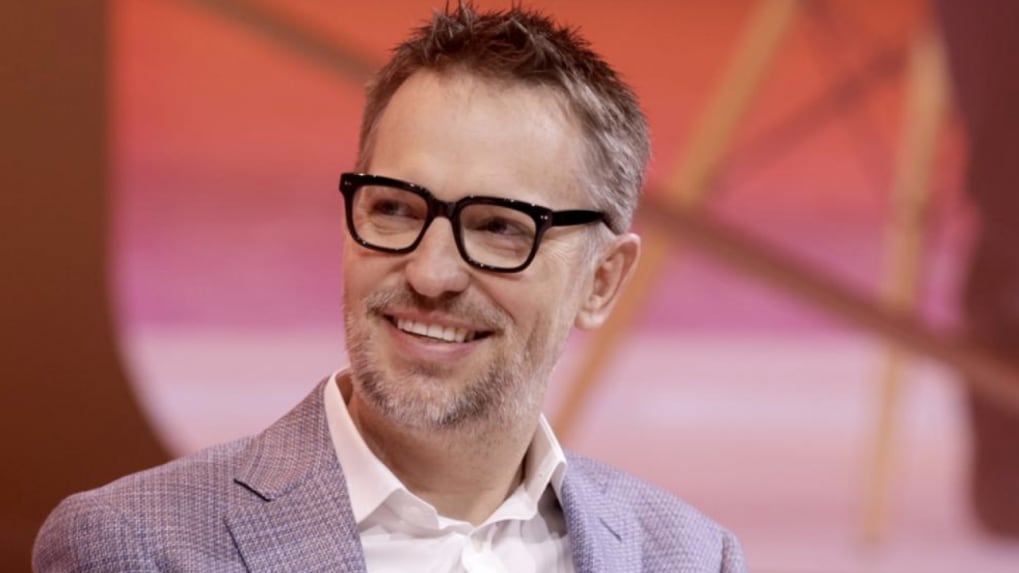
LinkedIn CEO Ryan Roslansky Names Key Human Skills AI Cannot Replace
As artificial intelligence continues to transform workplaces globally, Ryan Roslansky, chief executive of LinkedIn, has identified a set of human skills that remain beyond the reach of automation and are becoming increasingly important for younger professionals.
Writing for CNBC alongside LinkedIn’s chief economic opportunity officer Aneesh Raman, Roslansky stated that while AI is capable of automating routine and analytical tasks, it cannot replicate the human judgement required to ask meaningful questions, take risks in uncertain situations or generate entirely new ideas.
Curiosity – Roslansky stated that curiosity remains a critical differentiator, noting that while AI can identify patterns in existing data, humans determine which questions are worth asking and which directions to pursue, enabling individuals to align their careers with intrinsic motivation rather than algorithmic optimisation.
Courage – He further stated that courage plays a key role in decision-making, as AI can assess probabilities but cannot determine whether a risk is worth taking, with human judgement required to act without complete information, challenge established norms or pursue new opportunities, factors that increasingly define leadership in AI-driven environments.
Creativity- Creativity, he stated, also remains uniquely human, describing it as the ability to imagine outcomes that have not previously existed, in contrast to generative AI systems which primarily recombine existing ideas without the intuition to assess cultural or emotional relevance.
Compassion – Roslansky also highlighted compassion as a distinctly human capability, stating that while AI can simulate concern, it cannot genuinely feel or express empathy, which is essential in building relationships, supporting colleagues and fostering collaborative workplace environments.
Communication – He added that communication continues to be a critical skill, noting that while AI can translate language, it cannot fully convey meaning, context or intent, with effective communication determining whether ideas are successfully developed and implemented.
He referenced his own experience co-authoring work with Aneesh Raman, stating that while AI tools contributed to structural feedback and refinement, the core development of ideas stemmed from human interaction, discussion and critical thinking.
Overall, Roslansky stated that as AI becomes more integrated into professional environments, these human skills will play a defining role in shaping careers, particularly for younger workers navigating rapid technological change.
First Published on