


Microsoft’s TechHer cyber mentoring programme takes off
To mark International Women’s Day, Amara Arinzeh and Snekha Ravichandran share how TechHer, Microsoft’s free digital skills programme for women, expanded its reach and moved beyond skilling into a cybersecurity mentoring movement.
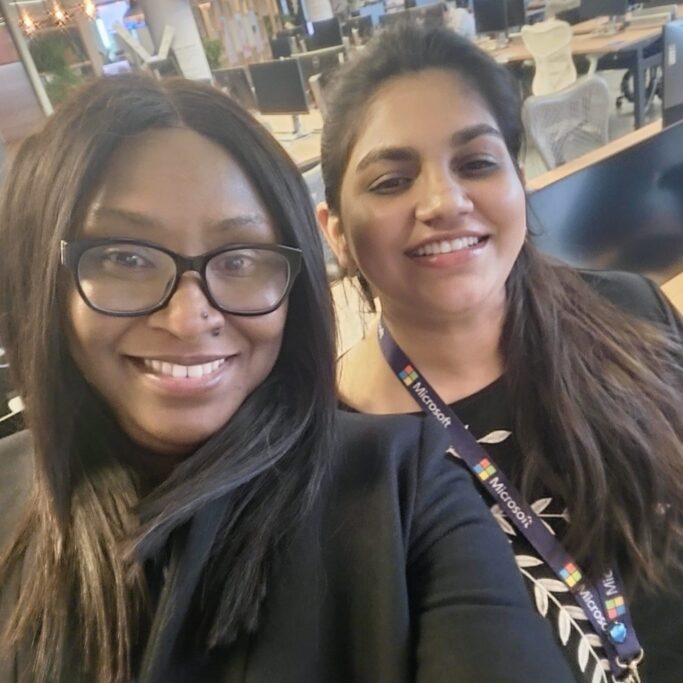
TechHer was founded with the aim of building confidence, capability and inclusion for women in technology.
For us, the purpose is simple but powerful: to help women regain momentum – whether starting out, returning after a break, or changing direction – and to create conditions where they can see themselves belonging in technology.
The need is great.
The 2025 Lovelace Report shows women make up only around 20% of the UK tech workforce, with 40,000–60,000 women leaving tech roles each year.
This is not just an individual loss, but a national one – draining the workforce of talent, perspective and potential as technology and AI reshape every sector.
Expanding horizons
TechHer for Government, led by Paul Griffiths, Enterprise Skills Lead – UK Public Sector, and Jane Pitt, Technical Trainer Manager, both from Microsoft Global Skilling, became a national movement in 2024. It expanded across the UK public sector and engaged around 5,000 women across cloud, AI, security and digital fundamentals.
As part of this expansion, 110 women joined a focused cybersecurity mentoring cohort, which we shaped into a structured mentoring model.

A small pilot involving three women from non-technical backgrounds saw them moving successfully into entry-level tech roles, following personalised mentoring, interview preparation and guided certification pathways.
That success proved what was possible and shaped our approach.
The programme has since grown into a structured initiative supporting students, early career professionals, career switchers, and mid-career women seeking a more human, practical entry point into tech.
From pilot to community
Through our partnership with Jane and Paul, we built a mentoring model designed to last – one that respects people’s lives, carefully matches mentors and mentees, and keeps learning pathways visible so women can progress at their own pace.
They provided sponsorship, enabled certification support through free cyber vouchers, and championed the shift from a small pilot to a broader inclusion initiative.
Sessions were shaped by what mentees needed, whether exploring cybersecurity concepts and navigating learning paths, or CV reviews, interview preparation, and certification planning.
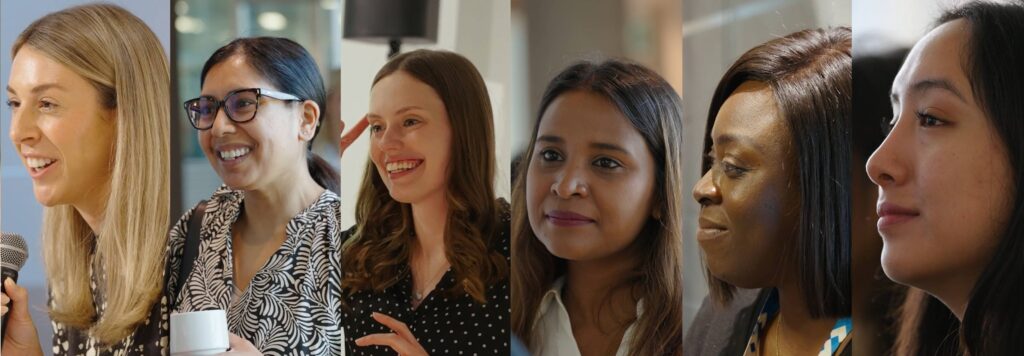
Fourteen volunteer Cloud Solution Architects from Microsoft’s UK Customer Success Unit (CSU) dedicated time beyond their day-to-day roles to guide participants – women from non-technical roles across the UK public sector – with continued support from CSU managers and Diversity & Inclusion leads.
Mentors carved out time each week to meet regularly with their mentees, creating consistency, trust and space for honest conversations. What emerged was not just a programme, but a community, with experienced practitioners offering deep, practical insight and encouragement.
Women taking their first steps into cybersecurity felt genuinely supported.
Impact and progress
In its first year, the TechHer Cyber Mentoring programme supported 110 women across the cohort, with tangible outcomes including certifications achieved through free cyber vouchers and one mentee securing a new cybersecurity role during the programme.
Many more are now actively progressing toward roles in technology with clearer direction and renewed confidence. But the most meaningful impact has been personal and cultural – a shift in how women see themselves and their place in tech, building skills and confidence along the way.
As one participant shared: “I would 100% recommend this mentoring programme to others. It made a massive difference, and this was by far the best learning resource I’ve experienced.”
Another reflected on the environment created through mentoring: “Before joining, I’d experienced tech spaces that felt competitive and gendered, but this programme was different. The sessions felt inclusive and safe, creating space for possibility.”
And one acknowledged the mental shift the programme had made possible, saying: “The programme gave me the courage and confidence to move forward and pursue a future in cybersecurity.”
Bigger picture
Microsoft’s involvement in TechHer sits at the heart of its wider Digital & AI Skills agenda. As demand for cloud, AI and cybersecurity skills accelerates, access to learning, confidence‑building and clear pathways into technology careers becomes critical to national growth.
Through initiatives including introductory learning, discovery days, a national conference hosted across Microsoft UK offices, and Skills Hub, Microsoft expands access to digital fundamentals and advances technical learning at scale.

TechHer reflects Microsoft’s responsibility not only to advance technology, but to build inclusive, future‑ready talent pipelines for the UK.
What’s next
Microsoft’s Cyber Mentoring Programme isn’t a one-off. Together with Jane, Paul and the broader CSU team, we have built a repeatable, sustainable model – one designed to scale up without losing its human core.
The work is already expanding into other sectors, such as Infrastructure and Data & AI, because the UK doesn’t just need more people in cyber, it needs more women shaping every future-critical discipline.
Year one reignited momentum. Year two accelerates impact, so more women, at any stage, can walk through an open door, stay, and thrive.