

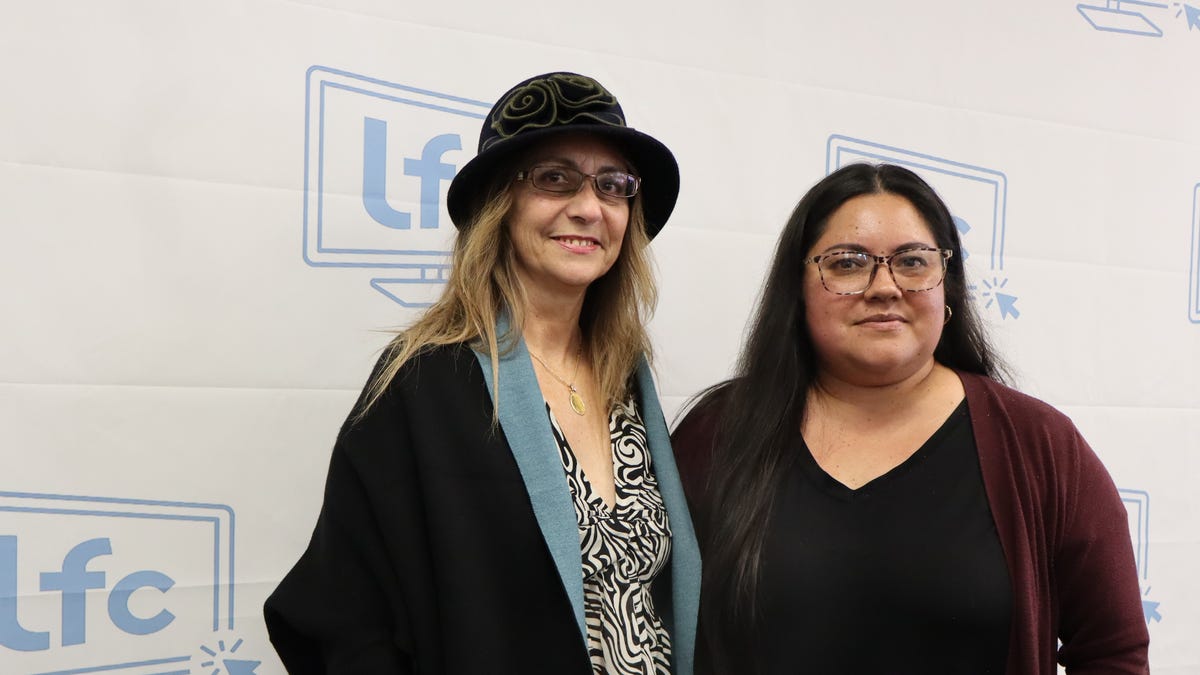
Salinas’ Loaves, Fishes & Computers chart future with new co-directors


Essential Big Sur Travel Tips: Explore Safely and Responsibly
Discover top travel tips for exploring Big Sur, California. From planning your route and respecting local wildlife, to safety advice and must-see spots, this guide helps visitors make the most of their Big Sur adventure while preserving its natural beauty.
At a Salinas nonprofit, two heads are better than one as Loaves, Fishes and Computers (LFC) charts its future with co-directors Jacqueline Leon and Delia Leal leading the way.
The pair bring compatible skills and enthusiasm to the next chapter of the organization, which provides digital skills training and low-cost devices to low-income people in Monterey County.
“Our skills were really complementary to one another, and we just hit it off on day one,” said Leal, who has been with the organization for about a year, to Leon’s four. “We had this connection, and we recognize that us being a team has been uplifting, and we are able to serve more people in the community.”
The co-directorship also protects against burnout, said Leal. “Because at a small budget, high impact nonprofit, you’re going to burn people out.”
Bridging the digital divide
In a fast-moving digital world, keeping up with technology is essential, and LFC helps ensure those who might otherwise be left behind have a chance to get ahead.
Since its founding in 2009, LFC has served more than 50,000 individuals and families and distributed more than 15,000 devices, including computers, printers and tablets.
The organization accepts certain devices via donation — a list of what they are currently accepting can be found on their website — and they are refurbished by staff and a team of volunteers at the organization’s Park Row location. Devices are also updated with the latest software and can be set up with a Spanish language interface when needed.
The refurbished devices are then offered at low cost to low income-qualified community members, including seniors, students, families, veterans and individuals referred through the agency’s community partners.
While smartphones are now widespread, a growing number of people rely on their phones as their only source of internet access, especially those who are low-income or Hispanic.
Pew Research found 37% of people in households earning under $30,000 a year are smartphone dependent, along with 27% of adults under 30 and 28% of Hispanic adults. Overall, 16% of U.S. adults rely solely on smartphones for internet access.
While smartphones are great for a variety of tasks, a computer or tablet remains essential for more complex needs like applying for a job, filling out a complicated online form or undertaking remote work.
“Our goal is to keep access as inclusive as possible for those who need affordable technology the most,” said Leon.
Teaching digital skills
LFC hosts digital skills classes at its Salinas location and with agency partners at sites countywide. They recently completed a training for seniors, child care providers and other small business owners in Pajaro.
“Advancing your digital skill set is important for whether you want to get a job or better yourself at school, business or in your personal life,” said Leon. “Especially for our community here in Salinas, surrounded by agriculture, we want to make sure that it is not just students, but also people who didn’t finish high school that have the opportunity to take our trainings.”
Digital skills are needed to use a computer or other device and navigate online systems such as those you may come across when applying for a job, renting an apartment or communicating with a government agency. Digital skills also help people avoid scams, protect their personal data and improve their career prospects.
LFC is providing digital skills training to a cohort of job seekers who have been selected to interview for a job at Joby Aviation in Marina, as part of a grant-funded initiative.
“Providing those trainings is how we elevate the individual and make sure they’re prepared in case they get a chance to be interviewed,” said Leon.
LFC was also recently awarded a $65,000 People-First AI Fund grant by the OpenAI Foundation, which awarded $50 million in unrestricted grants to hundreds of community-based nonprofits across the country.
The funding will be used to teach AI skills. “AI is a tool that if people do not use, they will miss out on opportunities,” said Leal. “So, we want to teach people how to use it in a way that will uplift them in their daily life, whether at home, school or in their organization.”