

Sisi drives AI and coding into every classroom
Egypt’s education system has witnessed unprecedented state-led efforts in recent years to incorporate technology, artificial intelligence (AI), and programming into school curricula.
These efforts aim to prepare students for the needs of the modern labour market, including the specialised fields of the future.
This drive has gained fresh momentum under the leadership of President Abdel Fattah El Sisi who in arecent meeting with Prime Minister Moustafa Madbouliand Minister of Education and Technical Education Mohamed Abdel Latif stressed the urgency of modernising education to equip students with skills that enable them to compete in the global career market.
During the meeting, the president underscored the importance of modernising school curricula to include emerging competencies, such as programming and AI.
Such skills, he said, are no longer optional, but essential for preparing students for the labour market in the 21st century.
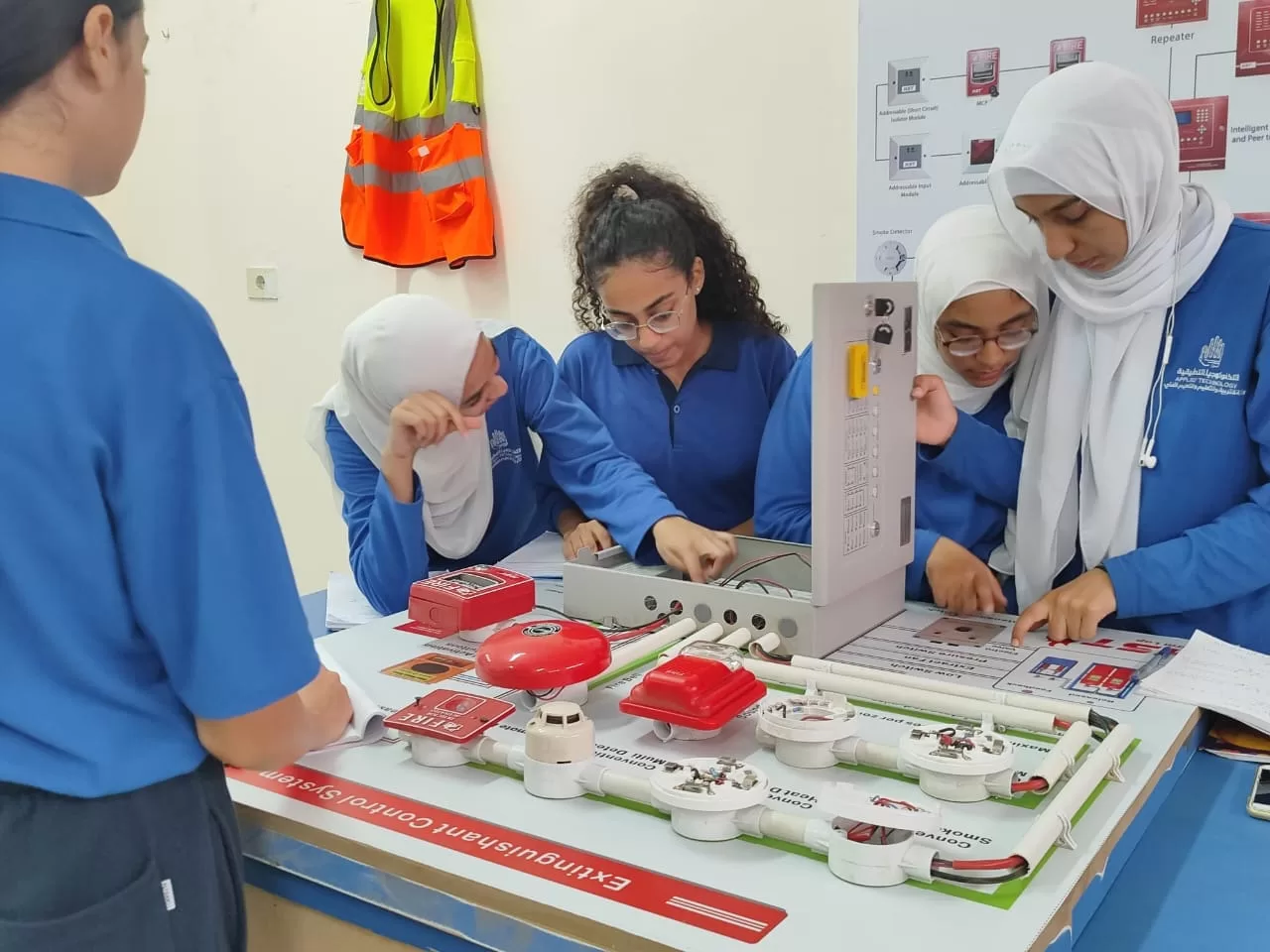
The expansion of technical schools through international partnerships is a centrepiece of President Sisi’s strategy.
Egypt has taken a series of measures in this regard. It has agreed with Italy to develop 103 technical schools and is negotiating with the UK to upgrade an additional 100 schools.
These steps all aim to provide vocational education that meets international benchmarks.
The upgraded or modernized schools will introduce students to cutting-edge knowledge, including in digital and AI technologies.
Professor of Educational Psychology at Ain Shams University, Tamer Shawky, said AI and programming have been introduced in general secondary schools this year.
“The same knowledge will be rolled out to technical secondary school first graders next year,” professor Shawky told The Egyptian Gazette.
This move, he added, aims to cultivate a generation equipped with essential digital skills, enabling them to compete on equal footing with peers around the world and meet the requirements of both higher education and the labour market.
He described mastering AI and programming as one of the “most critical skills” of the 21st century.
“Providing students with the ability to work with digital software and modern devices and understand software development processes opens the doors of opportunity in technology and digital production,” Professor Shawky said.
He praised this approach that represents a shift in the national educational philosophy, from rote memorisation to practical application.
This, he said, enhances student competency and prepares them to compete locally and internationally in advanced technology fields.
He added that the Ministry of Education and Technical Education has prepared for the integration of AI and programming through several practical steps.
He explained that these steps have so far included the distribution of tablets to all secondary school first graders for free this year.
The tablets, he said, are essential tools for training in AI and programming.
“State-run schools have been equipped with local area networks in addition to standard internet access to support digital learning and conduct online exams efficiently,” Professor Shawky said.

The Ministry of Education has also partnered with Japan,a leading state in this field, to deliver the curricula via an online educational platform.
This, education specialists say, will help pupils access their lessons to guarantee high-quality learning that aligns with international best practices.
Nevertheless, Egypt’s ride towards the expansion of AI and programming education may hit some bumps in the road, specialists said.
Professor Shawky referred to positive steps taken by the government to roll this education out to everybody.
Nonetheless, he cited some technical challenges that emerge during the first year of implementation.
These challenges, he said, include the difficulties that face the pupils as they try to access the platform. They also include, he added, interruptions during exams.
“To say the truth, these hindrances are being removed gradually as the pupils and the teachers gain experience,” Professor Shawky said.
Meanwhile, the Ministry of Education has held a series of training courses based on a thorough analysis of local, regional, and global trends, with the final goal of linking the new curricula to labour market needs.
This comes as AI and programming become integral across all sectors, from media and education to banking and manufacturing.
“The early learning of these subjects helps students acquire essential skills well before entering university, preparing them to meet both national and globalworkforce requirements,” Professor Shawky said.
The programme is now limited to secondary school first graders. However, there are plans to expand it to students in the second year of the same schools, especially in engineering and computer science.
Education specialists call, meanwhile, for investing in education and fostering a strong cultural foundationacross Egypt.
“Investing in these fields is essential for sustainable development and the long-term stability of society,” Kamal Moughieth, a senior expert at the National Centre for Educational Research, told this newspaper.
Knowledge and culture, he added, form the backbone of a nation’s progress and resilience.
“Educational reform efforts are built on long-term strategic frameworks, such as the National Strategic Plan for Pre-University Education, focusing on aligning school curricula with labour market needs and international standards,” Moughieth said.
He added that true transformation requires more than curriculum adjustments.
“It demands a shift from theory-centric approaches to competency-based learning that mirrors real-world job requirements,” he said.
He called for strengthening teacher training and assessment systems so that graduates emerge with transferable skills, not just certificates.
Technical schools, Moughieth said, must meet rigorous international standards to genuinely enhance employability.
He underscored the importance of linking schools with industry partners for internships and hands-on training.
“Education systems must remain dynamic and grounded in data, underscoring the importance of labour market forecasting and the continuous review of curricula,” Moughieth said.
“Without the capacity to respond swiftly to evolving job profiles and shifting employer demands, reform efforts risk falling behind the pace of economic transformation,” he warned.