


10 Useful Life Skills Gen Z Learned From Social Media That Baby Boomers Could Use Themselves
While older generations often use their phones and social media platforms to compensate for social isolation and disconnection, there’s no denying that Gen Z spends the majority of their time online.
They not only leverage online communities for a sense of belonging, much like their boomer counterparts, but they also work, learn, stay informed, cope, and exist mostly online in this age of life. From spending most of their time online and being the first generation to grow up almost entirely in the digital age, with cell phones and social media, they’ve learned many useful life skills that baby boomers could really use themselves.
Here are 10 useful life skills Gen Z learned from social media that baby boomers could use themselves
1. Building digital literacy
 PeopleImages | Shutterstock.com
Oftentimes, the older someone is, the more likely they are to be digitally illiterate, not because they’re not smart, but because they have less experience. Gen Zers literally grew up with social media in their pockets and often had unrestricted access to the internet. They had to learn, sometimes in difficult ways, that not everything online could be trusted and not every story was credible.
Especially when it comes to reading the news, connecting on social media, and even challenging scams or conspiracy theories, Gen Zers are more equipped to protect themselves and their well-being online, which helps them use it to their advantage.
Especially in the workplace, where digital intuition and tools have become Gen Zers’ native language, they can teach boomers a thing or two about using them in healthy, productive ways.
2. Making connections
Even though both Gen Zers and boomers are making connections with new communities and loved ones to cope with loneliness, young people have mastered the art of professional networking on their phones. They can source the founder or CEO behind a company in minutes, track down people to connect with, and even set themselves up for career success by sourcing a mentor on Instagram.
They know how to leverage social media, especially to survive in the modern workforce, and use it to their advantage to get ahead, even if climbing the corporate ladder isn’t something they’re necessarily interested in.
3. Finding purpose and community
While it’s true that for some young people the lines between real life and the digital world have been blurred in unhealthy, toxic ways, for some, their access to social media and cell phones is a gift. Yes, they use it to inform themselves and stay educated, but they also entertain themselves, connect, and live partially online.
Their digital world is not entirely separate from “the real world,” but a part of their actual life that can add a lot of meaning and value when used correctly. From staying connected with loved ones to finding meaning in posting on social media, Gen Z leverages social media in every aspect of their lives to add purpose in unique ways.
4. Leveraging digital tools for efficiency
According to a study by The Harris Poll, nearly 85% of Gen Zers regularly use digital or AI tools to make their lives more efficient, both in the workplace and beyond. From cultivating better work-life balance to figuring out a structure to make the most of their time and energy, they know how to adapt and learn using social media tools to prioritize what really matters to them.
Especially when they’re willing to learn new tools as they go, rather than trying to master everything at once, Gen Z gives themselves an edge as they move through the workforce, compared to older generations who often appreciate and stay loyal to a specific structure or routine.
5. Being their own teacher
 Elena Efimova | Shutterstock.com
With access to tutorials on YouTube and all kinds of expert advice, guidance, and mentorship online, it’s not surprising that Gen Z is leading a huge shift in self-taught professional skills. They’re teaching themselves new skills, even if that means being more adaptable and leaning on the internet as a tool, rather than a burden of comparison or lack.
Whether it’s practical skills they can take into their lives, like changing a tire, or something more digital like graphic design, young people know how to leverage the internet to learn new skills for their own benefit.
6. Talking about and seeking help for mental health
While social media has all kinds of negative impacts on individual mental health, socially, it’s largely helped to destigmatize talking about and seeking help for struggles. According to a 2020 study, more people feel comfortable asking for help and talking about their mental health because of social media than most older generations did without cell phones.
In fact, most older generations of boomers are still suppressing their struggles and avoiding seeking help because of traditional stigmas and stereotypes they can’t unwind.
7. Conducting research
Many Gen Zers have adopted a healthy blend of digital literacy and accessibility, allowing them to find answers without relying entirely on AI, with its inaccuracies and easy routes to solutions.
Of course, there are all kinds of boundaries and important caveats to protect someone from letting unrestricted curiosity influence unhealthy screen time, but for the most part, the access and learning opportunities Gen Z finds on social media add value to their lives. Especially if you care about actually learning something new and building a skill, their curiosity drives them to use the internet in interesting and responsible ways.
8. Creating a personal style and brand
While it might not be as alluring to older generations who already have their social networks, circles, and relationships, many Gen Zers feel pressure to “sell” themselves online with a specifically curated image. From cultivating a specific vibe on their social media accounts to experimenting with new trends and shifts, they bolster their unique identity online.
Of course, this access can sometimes spark unhealthy screen time behaviors and social comparisons, but for many Gen Zers, access to community and identity-building is profoundly important to their well-being.
9. Challenging unhealthy social norms
 PeopleImages | Shutterstock.com
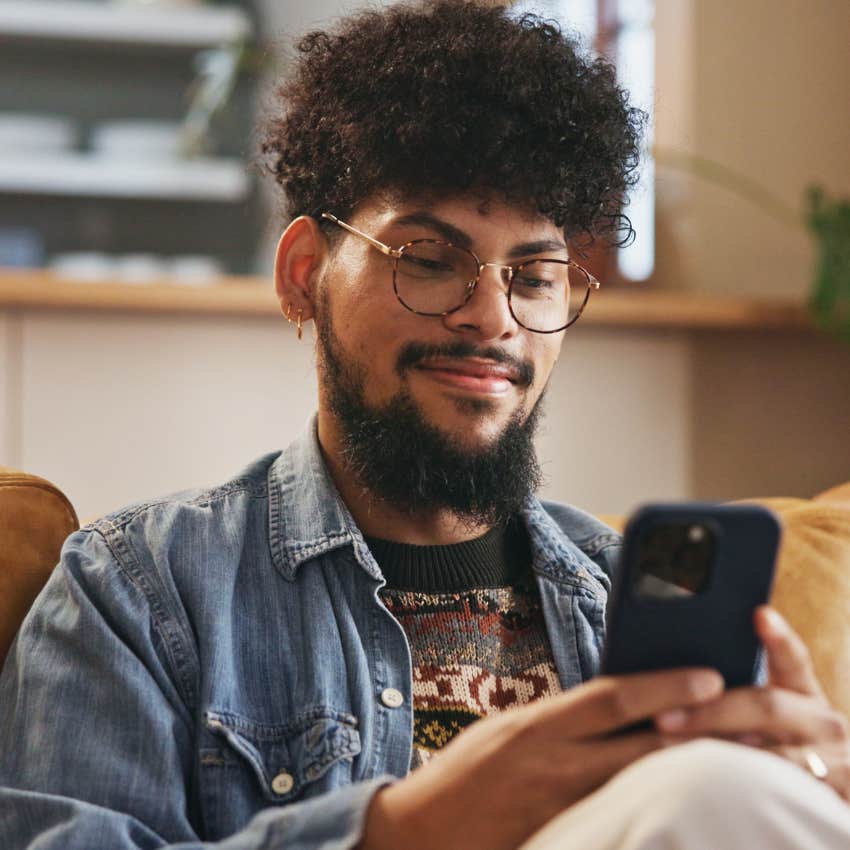
Whether it’s glamorizing burnout from hustle culture or unhealthy expectations around work-life balance, social media has allowed young people to see and challenge social norms that don’t always work in their favor. While they might’ve been able to operate without collective challenge before cell phones and social media, now, the testimonials and information people have access to make it hard for them to accept.
Whether it’s money, mental health, company loyalty, gender norms, or another kind of traditional expectation older generations still follow, Gen Z has the tools to challenge and push back, even if it means taking on more stress and responsibilities for themselves.
10. Learning from other people’s mistakes
While Gen Z is still working through a problematic cancel culture mentality and an obsession with holding people accountable for mistakes, they’re still finding ways to learn from them on social media. Whether it’s parenting, friendships, work, or wellness, they’re learning from others’ mistakes by building somewhat-parasocial relationships and staying up to date on what’s happening in culture.
Compared to older generations, who tend to immediately ignore or judge this kind of content and communication online, young people are figuring out how to build resilience by watching adversity and struggles, even when they’re not experiencing it themselves.
Zayda Slabbekoorn is a senior editorial strategist with a bachelor’s degree in social relations & policy and gender studies who focuses on psychology, relationships, self-help, and human interest stories.