

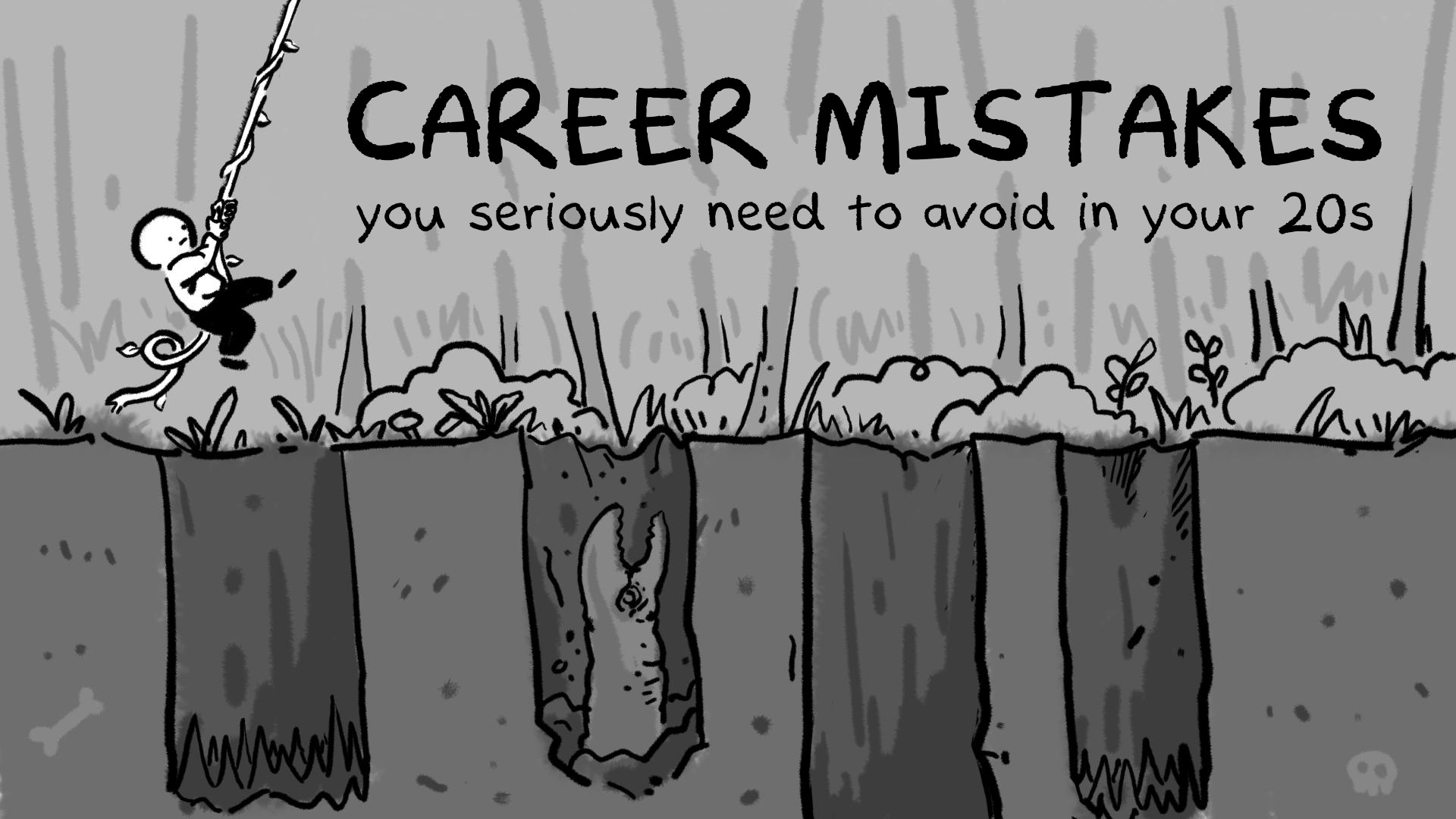
7 career mistakes students make in their early 20s — Edugist
The early 20s are often portrayed as the ideal period for discovering career direction, building professional networks, and developing long-term goals. For many students and recent graduates, however, this phase is also marked by confusion, pressure, and costly career decisions that can affect future opportunities.
In Nigeria and many other countries, the transition from school to work has become increasingly difficult. Employers now expect graduates to possess practical skills, digital competence, communication ability, and workplace adaptability in addition to academic qualifications. Yet many young people enter the labour market without fully understanding how modern recruitment systems work or what employers actually value.
Recent reports continue to highlight the growing disconnect between education and employability. A 2026 report revealed that nearly 60 per cent of employers in Nigeria believe graduates are not adequately prepared for the workplace, with major gaps identified in communication, technical, and digital skills.
While structural economic challenges contribute significantly to graduate unemployment, certain career mistakes also make it harder for students to compete effectively in the labour market. Understanding these mistakes early can help students make smarter career decisions and improve long-term employability.
One of the most common mistakes students make in their early 20s is selecting courses or career paths based primarily on family expectations, peer influence, or societal prestige rather than personal strengths and labour market realities.
In Nigeria, professions such as medicine, law, engineering, and accounting are often socially celebrated, leading many students to pursue them even when they lack genuine interest or aptitude. Over time, this mismatch can lead to poor academic performance, burnout, and career dissatisfaction.
Career experts consistently warn that external pressure often results in long-term frustration because professional success usually requires sustained interest, adaptability, and continuous learning. Discussions among career advisers and graduates also show that many students later regret choosing “safe” or socially approved careers without properly understanding industry realities.
Many students still believe that earning a degree alone guarantees employment. While academic qualifications remain important, employers increasingly prioritise demonstrable skills and practical experience.
Research on graduate employability in Nigeria repeatedly identifies a major skills gap between what universities teach and what employers require. Employers frequently complain that graduates lack practical competencies, communication ability, digital literacy, and workplace readiness.
Students who spend all their university years focused solely on grades without developing practical skills often struggle during recruitment processes. Modern employers increasingly value internships, certifications, project experience, problem-solving ability, and technical competence alongside academic performance.
This explains why some first-class graduates still face unemployment despite strong academic records. Employers are looking beyond certificates and assessing whether candidates can function effectively in real work environments.
A major mistake many students make is postponing career preparation until after graduation. In today’s labour market, employers increasingly expect entry-level candidates to already possess some form of professional exposure.
Internships, volunteering, freelancing, campus leadership, and project-based work provide valuable experience that improves employability. Yet many students graduate without meaningful exposure outside the classroom.
Research on graduate transitions into the workforce highlights the importance of work-integrated learning and mentorship during university years. Students who participate in internships or practical projects tend to adapt more easily to workplace expectations after graduation.
Unfortunately, many Nigerian students complete university with little or no industry experience, making it difficult to compete against candidates who already possess practical exposure.
Technical knowledge alone is no longer enough in modern workplaces. Communication, teamwork, emotional intelligence, leadership, adaptability, and critical thinking have become essential employability skills across industries.
However, many students underestimate the importance of soft skills until they begin attending interviews or working professionally. Employers consistently rank communication and interpersonal competence among the most important qualities they seek in graduates.
Graduates who struggle to communicate ideas clearly, work collaboratively, or handle professional interactions often face difficulties securing or retaining jobs regardless of academic performance.
Soft skills also influence networking opportunities, workplace relationships, leadership potential, and career advancement. Students who fail to develop these competencies early may find themselves disadvantaged even when technically qualified.
Read also:
5 common parenting mistakes that affect a child’s academic confidence
Mistakes are okay: What every young learner should know about failing forward
Many students underestimate the importance of networking in career development. In reality, professional relationships often influence internships, mentorship opportunities, referrals, collaborations, and job openings.
Networking does not simply mean attending formal events. It includes building relationships with lecturers, alumni, industry professionals, mentors, and peers within one’s field.
Research and career discussions increasingly show that graduates who actively engage with professional communities during school tend to transition into employment more successfully.
Unfortunately, many students isolate themselves academically and only begin networking after graduation, when competition becomes more intense. Building a professional network early allows students to understand industry expectations and access opportunities before entering the labour market fully.
The modern labour market evolves rapidly due to technology, automation, artificial intelligence, and changing economic conditions. Careers that were highly secure a decade ago may now require entirely new competencies.
Students who rely solely on traditional academic knowledge without adapting to industry changes risk becoming less competitive. Employers increasingly value digital literacy, AI familiarity, analytical thinking, and continuous learning.
Recent reports on graduate unemployment emphasise that many young people struggle because they lack current industry-relevant skills. Sectors such as technology, media, finance, marketing, and engineering are changing quickly, requiring graduates to update their skills constantly.
Students who fail to learn beyond the classroom often discover after graduation that their knowledge is outdated or insufficient for current job requirements.
Many students enter the labour market expecting immediate high salaries, prestigious job titles, or rapid career advancement. While ambition is important, unrealistic expectations can lead to disappointment and poor decision-making.
Economic realities in Nigeria’s labour market are difficult. Job creation has not kept pace with graduate output, and competition for quality opportunities remains intense.
Career growth is usually gradual. Entry-level roles are often designed for skill development and workplace exposure rather than immediate financial reward. Students who reject learning opportunities because they do not match ideal expectations may delay their professional growth unnecessarily.
This does not mean graduates should accept exploitation or poor working conditions. Rather, it highlights the importance of balancing ambition with realistic understanding of career progression.
The early 20s represent a critical stage in career development because decisions made during this period often shape future opportunities. While mistakes are part of growth, some errors can significantly delay professional progress if not corrected early.
The modern workplace rewards adaptability, practical competence, emotional intelligence, and continuous learning more than certificates alone. Students who understand this early are better positioned to navigate increasingly competitive labour markets.
In Nigeria particularly, where graduate unemployment and underemployment remain serious concerns, students must become more intentional about career preparation long before graduation.
Avoiding these common mistakes does not guarantee instant success, but it greatly improves the chances of building a sustainable and rewarding career in an increasingly demanding world.