

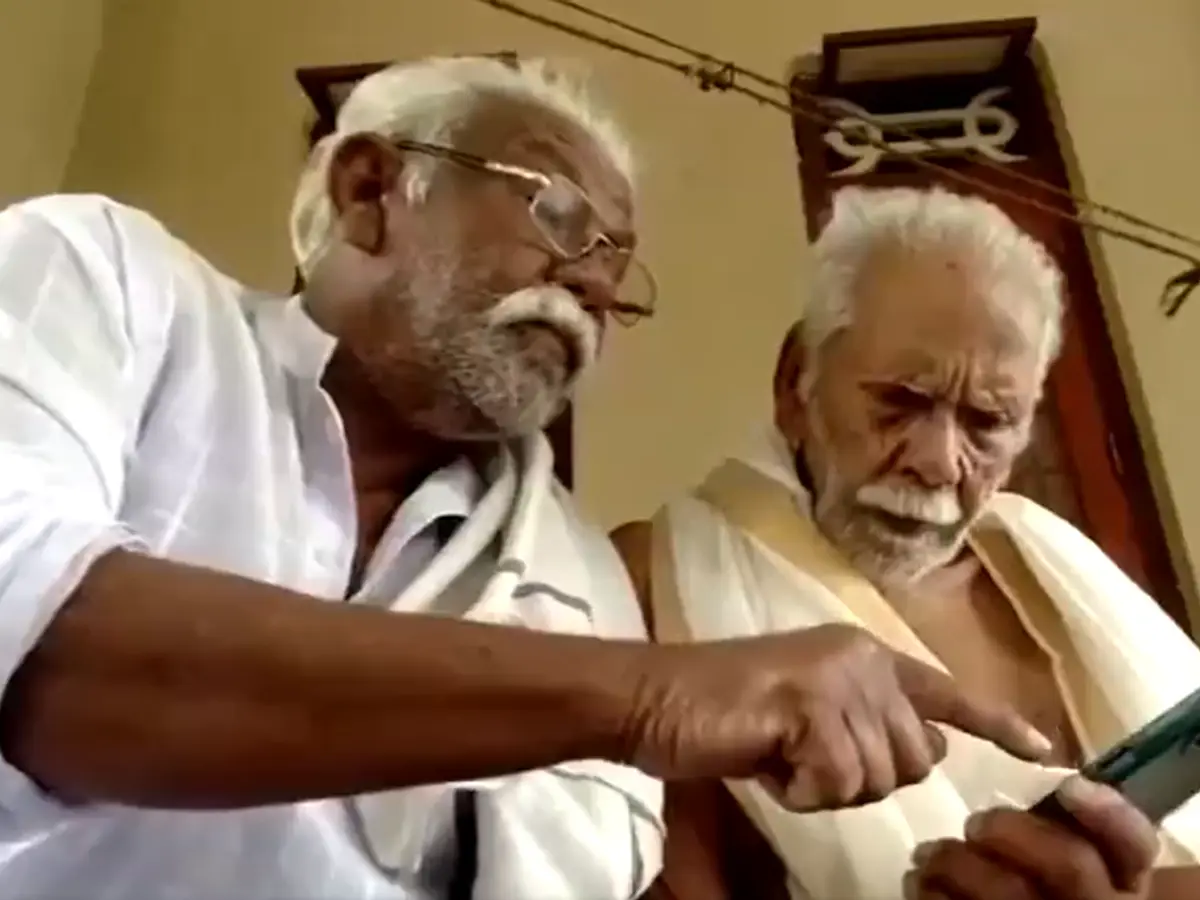
THIS Indian state will script history with 100% digital literacy declaration on Aug 21
Kerala is poised to become the first fully digitally literate state of India, with the official declaration set for August 21. Under the local Self-Government Department (LSGD) ‘Digi Kerala’ program, around 21.87 lakh residents of the state have been trained in digital skills, according to a report by the Indian news agency ANI.
Kerala Minister MB Rajesh told ANI, “On 21st August, Kerala is going to create history by becoming the first Indian state to achieve total digital literacy… The campaign was launched in September 2023, and within 18 months, we were able to achieve the target of total digital literacy… Initially, we targeted citizens up to 65 years old, but eventually, over 1,500 newly literate participants were above the age of 90.”
What is the Complete Digital Literacy Program?
The Complete Digital Literacy Program, ‘Digi Keralam,’ was launched in 2023 by the Kerala local self-government department in order to extend the benefits of the digital revolution to all, regardless of age, enabling people to access e-services with ease. It also bridges the gap of the digital divide across the rural and urban areas, which highlights the state’s commitment to inclusive growth and digital transformation.
As per the Kerala-based Malayalam-language newspaper Madhyamam, this initiative covered 1.5 crore people with a door-to-door survey of 83 lakh households to identify those without basic digital skills. The survey discovered 21 lakh digitally illiterate individuals, among them many over 90 years old, after it was conducted by 2.57 lakh trained volunteers, including MGNREGA supervisors, National Service Scheme members, the National Cadet Corps, and Nehru Yuva Kendra.
Officials confirmed that 99.98 per cent of the identified individuals, including 15,223 people above 90, have now successfully completed the program. “We had motivated the aged persons to overcome their hesitancy to use a smartphone,” said project assistant director Sajina Sathar.
“We told them they could make video calls (to their children and relatives), watch their favorite programs and TV serials and hear music. That’s how we had evoked an interest in them,” Sajina added.