

Meta lays out digital defences against online scams for Singaporeans
Singapore – Meta is doubling down on its fight against online scams in Singapore, launching new safeguards across its platforms and ramping up digital literacy initiatives to help users stay one step ahead of fraudsters.
Among the most significant updates, WhatsApp now issues alerts when users attempt to share their screen with someone not in their contacts—a simple but powerful safeguard against scammers trying to view private information.
Messenger users will also benefit from enhanced scam detection that flags suspicious messages from unknown senders and allows conversations to be reviewed by AI for potential risks.
To bolster account protection, passkeys—a password-free authentication method—are now available across Facebook, Messenger, and WhatsApp.
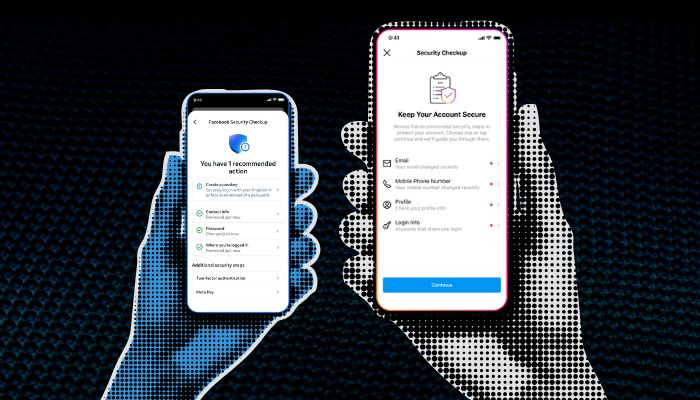
Users can also run privacy and security check-ups to set strong passwords, enable two-factor authentication, and control who can see their information.
Meta’s anti-scam strategy extends beyond the screen.
Doreen Tan, assistant chief executive of strategic planning and digital readiness at IMDA said, “At the DfL Festival this year, Meta stepped forward to equip parents and youths with practical tools and resources to develop healthy digital habits, and educate everyone on how to stay safe against scams.”
“At Meta, protecting our users from scams is a top priority,” said Clara Koh, head of public policy, Central Southeast Asia & ASEAN.
In the first half of 2025 alone, Meta acted on nearly 12 million scam-linked accounts globally—including over 68,000 fake profiles and 650,000 scam-related ads in Singapore.
The numbers underline both the growing sophistication of scams and the urgency of stronger defences.
“The launch of these anti-scam tools in Singapore and our ongoing public education campaigns underscore our continuing commitment to user safety and empowering Singaporeans with essential digital literacy skills,” Koh highlighted.
Meta has also partnered with local podcasts such as The Daily Ketchup, Rise N’ Shine, and Yah Lah But to deliver scam-prevention messages directly to listeners.
From AI-powered alerts to community-led education, Meta’s anti-scam push blends technology with awareness—giving Singaporeans both the tools and the know-how to recognise fraud before clicking.
“Tackling online scams requires a collaborative approach, which is why we work closely with governments, technology partners, banks, and law enforcement to collectively detect and stop scammers,” Koh asserted.