

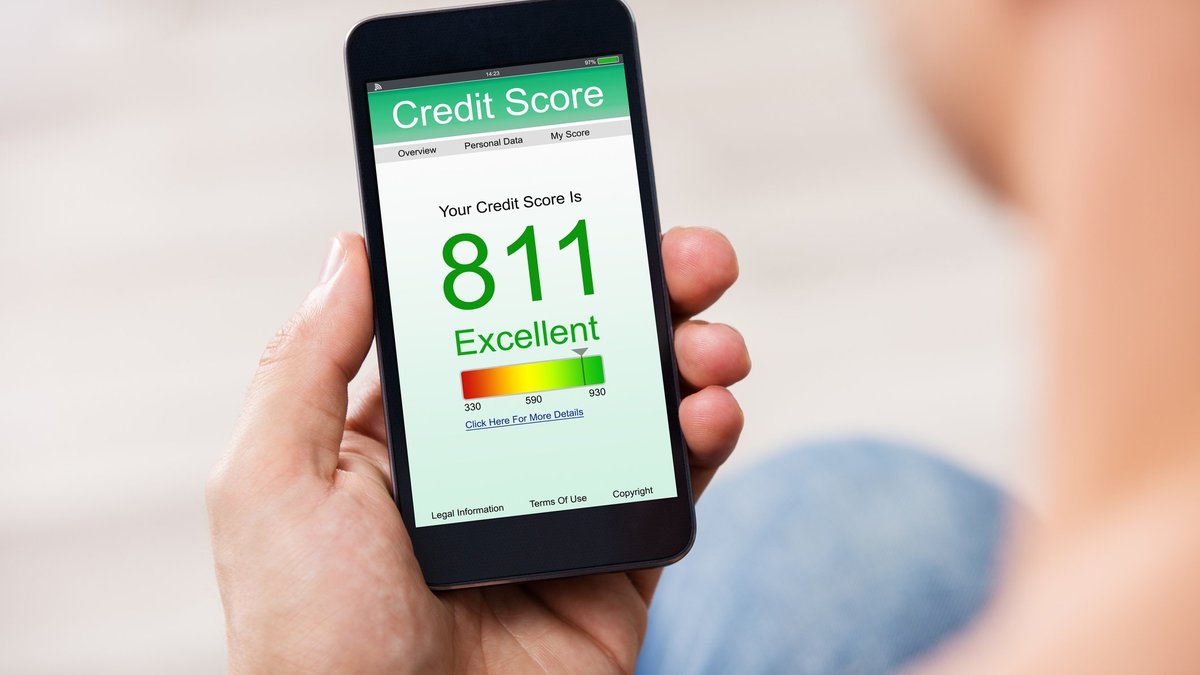
3 Perks of Having an 800+ Credit Score
If your credit score starts with an “8,” congratulations: You’re super close to credit perfection. The highest possible FICO® Score is 850, and any score of 800 or higher is considered “exceptional.”
The truth is, most of the perks of a higher score come when you hit the “good” (670+) or “very good” (740+) range. But there are a few upsides to hitting the 800 mark you might not know about.
Here’s what to know — plus a few tips on how to get there sooner.
1. Top-of-the-line cards, loans, and more
When it comes to credit card offers, loan offers, and more, a credit score of 800+ gets you the best of the best.
With an exceptional credit score, you’ll get:
- The best loan offers
- The best mortgage rates
- Access to premium credit cards
- Lower car insurance premiums (in most states)
Want to see what an elite credit score can get you? Check out our list of the best luxury credit cards available today to find the one for you.
2. More negotiating power
Exceptional credit won’t just get you great card and loan offers. It also gives you more leverage when negotiating all of the above.
Lenders, card issuers, and even some landlords treat borrowers with exceptional credit as low-risk — and they factor that in. For you, that can translate to:
- Lower interest rates and waived fees
- More targeted and pre-approved card offers (i.e., stronger welcome bonuses)
- Higher credit limits
- Easier negotiations for bills and more
In short, an 800+ score gives you bargaining power. When you have strong credit, lenders want your business. Don’t be afraid to use that to your advantage.
3. More breathing room
Even people with excellent credit see their scores dip from time to time. That can come from opening a new card, applying for a loan, closing an old account, or just carrying a bigger balance one month.
An 800+ credit score gives you plenty of cushion if (and when) that happens. A small drop probably won’t hurt you too much — you can still qualify for great loan rates, top credit cards, and more.
In other words, an 800+ score gives you extra margin for error. Even if you take a small hit, you’re still in a great position…which is why it never hurts to aim for the highest credit score possible.
Simple tips to help you hit 800
Upping your credit score isn’t rocket science. With a few simple habits, you can put yourself on track for a score of 800 or higher. Here’s what it takes:
- Pay on time, every time: Your payment history makes up the largest portion of your score. Even one late payment or two can quickly crater it.
- Keep credit utilization low: Lenders like to see that you aren’t maxing out your credit lines. Aim to use 20%-30% of your total available credit each month. (Landing another card or two can help with that, since it increases your total credit).
- Don’t open too many new accounts at once: Hard credit inquiries can temporarily ding your score.
- Hold onto older accounts: The length of your credit history matters, too. Keep older cards open, even if you don’t use them often.
- Check your credit reports regularly: Errors happen. Always dispute mistakes when you see them to make sure your score reflects your actual history.
Want help boosting your credit by paying off debt interest-free for up to 21 months? See our list of the best balance transfer cards to save big on existing debt.