

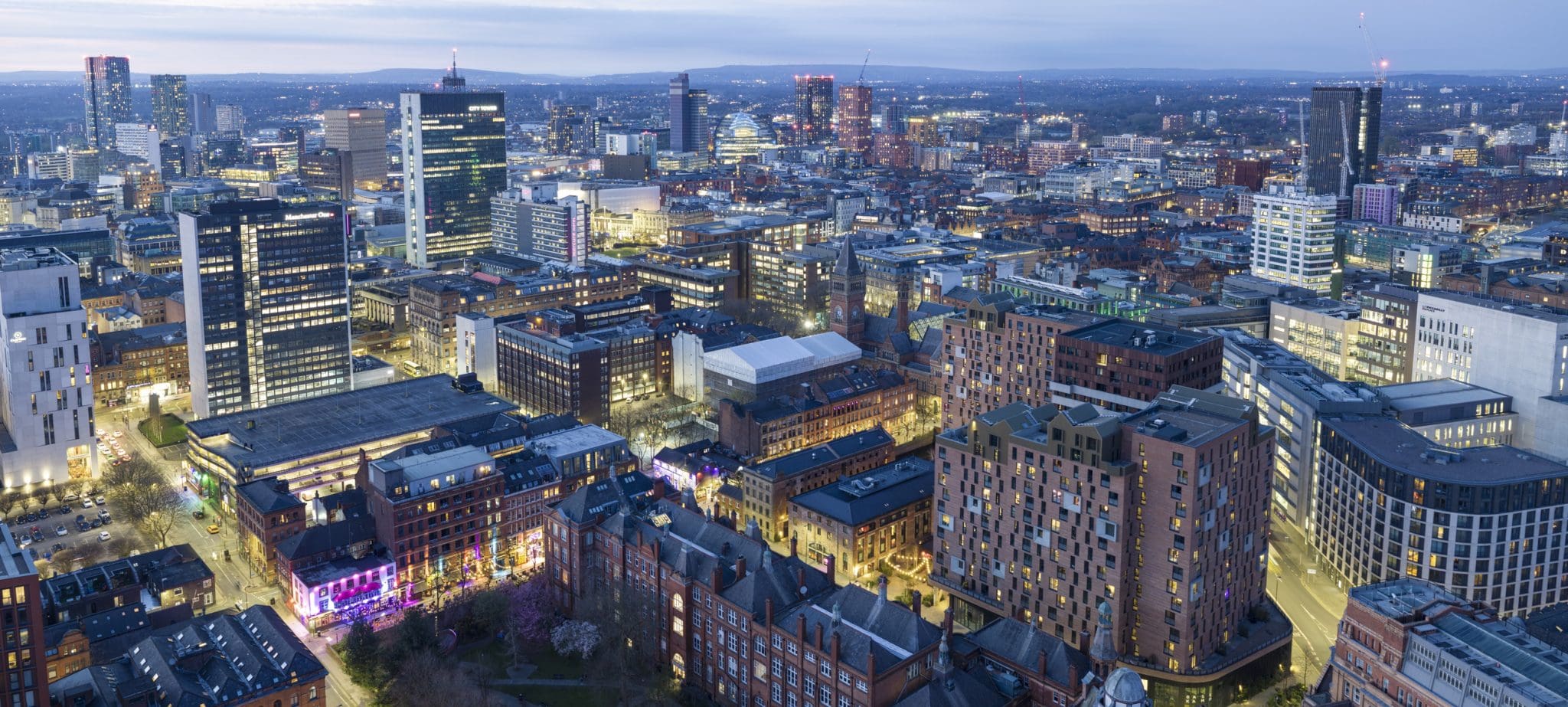
Manchester’s digital campus has been approved

The UK government has approved plans for a new digital hub in Manchester, which will expand technology capabilities and decentralise civil service operations
The Manchester Digital Campus (MDC) is set to be built on a brownfield site in Ancoats and will bring thousands of civil servants together in a purpose-built environment focused on digital innovation.
A new centre for government digital work
The MDC will accommodate around 8,800 staff from multiple government departments, all working in digital and data-focused roles. Covering approximately 900,000 square feet across two buildings, the development is designed to strengthen collaboration and modernise the delivery of government services.
The project forms a key part of the government’s Places for Growth programme, which aims to move roles out of London and into regional cities. By concentrating digital expertise in Manchester, the campus is expected to play a big role in achieving the ambition of having one in ten civil servants working in digital and technology roles by 2030.
Economic impact and job creation
The construction phase alone is expected to support around 4,900 jobs over four years, providing a substantial boost to the local economy. Beyond construction, the long-term presence of thousands of skilled workers is anticipated to stimulate further growth in Manchester’s already expanding digital and cyber sectors.
The wider programme is projected to deliver £2.3 billion in social value, including job creation, skills development, and improvements to local communities. The initiative also aligns with broader efforts to strengthen economic opportunities across the North West.
MDC will transform a former retail park into a modern government hub, contributing to the regeneration of central Manchester. The site, acquired by Manchester City Council in 2017, is part of a broader redevelopment plan that includes creating public green space alongside the new offices.
This approach combines economic development with urban renewal, helping to revitalise underused land while enhancing the surrounding area for residents and businesses.
Cabinet Office Minister Anna Turley said:
“We are turning disused land into a digital centre for government, boosting local growth and supporting regeneration of Manchester’s vibrant city centre.”
“I am a firm believer that the best ideas often come from those on the frontline. Our plans will move decision-making out of Whitehall and into cities like Manchester, to ensure national policy is informed by local expertise. This will deliver real, tangible benefits for communities across the North, as well as saving the taxpayer billions of pounds.”
Long-term savings and efficiency
In addition to its economic and social benefits, the MDC is expected to deliver significant financial efficiencies. By consolidating multiple government offices into a single freehold site, the project is projected to generate long-term estate savings of £4.7 billion over 60 years.
Once fully operational, annual savings are estimated at around £240 million, compared to maintaining a dispersed network of leased office spaces. The project’s benefit-cost ratio of 4.32 indicates strong value for money, with every pound invested expected to yield more than four pounds in return.
Timeline and next steps
Preparatory work on the site is scheduled to begin in 2026, with main construction planned for 2027-2029. The campus is expected to become fully operational by 2032.
As the MDC moves forward, it is likely to act as a catalyst for further investment in Manchester and the wider region. By bringing together digital expertise at scale, the Manchester Digital Campus aims to reshape how government operates while reinforcing the city’s position as a leading centre for technology and innovation in the UK.