

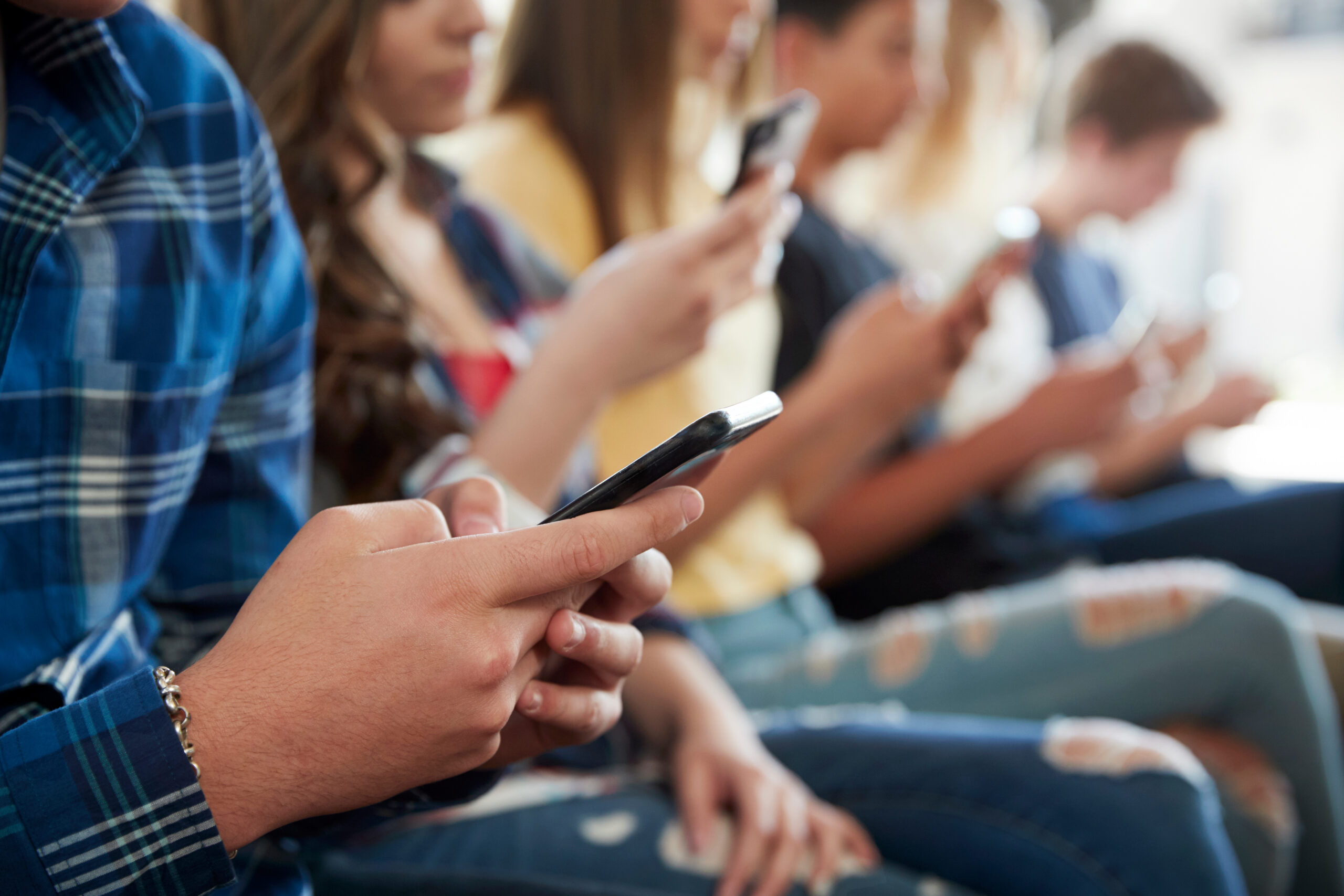
Cell phone bans alone aren’t enough, research warns
While cell phone bans have reduced distractions in schools, they don’t resolve deeper challenges of student behavior and well-being.
Cell phone policies are most effective when paired with intentional instruction that helps students develop digital literacy skills, including responsible navigation of the digital world, according to a new white paper from Learning.com.
Since 2023, 39 states have regulated student devices in school, the research notes. Educators’ concerns about classroom distractions, cyberbullying and mental health often fuel these bans.
Similar research reveals principals overwhelmingly endorse device policies that improve school climate by reducing inappropriate cell phone use and cyberbullying.
However, bans alone stop short of promoting healthy cell phone use among students. Students face serious technology risks outside school, particularly at home, argues Anya Kamenetz, education journalist and author of the report.
“The deeper work lies in helping students understand boundaries and equipping them with the tools necessary to make healthy choices in an always-on world,” Kamenetz said.
Here are some ways superintendents can promote healthy cell phone use beyond blanket classroom restrictions:
Pair restrictions with instruction
The research emphasizes that districts with successful phone policies also teach digital literacy and citizenship skills. This opens the door for districts to partner with local organizations and edtech vendors.
There are several characteristics to look for when considering a potential curriculum partner:
- They must be aligned with your standards
- They must offer a “full-stack” solution that evolves at the pace of digital innovation
- Partners must offer solutions that are modular, flexible, easy to deploy and student- and teacher-friendly
Communication is key
The white paper also stresses comprehensive/extensive communication with parents. Communities must understand the purpose of phone regulation, and leaders must frame policy as part of a broader effort to support student well-being and learning.
Superintendents can get insight from a database that grades state-by-state cell phone policies.
Take Kansas, one of only four states to have received an A grade, according to the Phone-Free Schools Report Card. Phones are inaccessible to students under the state’s bell-to-bell ban without weakening schools’ safety and education standards.
View your state’s grade here.
More from DA: The White House predicts AI’s new role in education. Is it accurate?