

At DRIF26, Wikimedians bring community solutions to shape the future – Diff

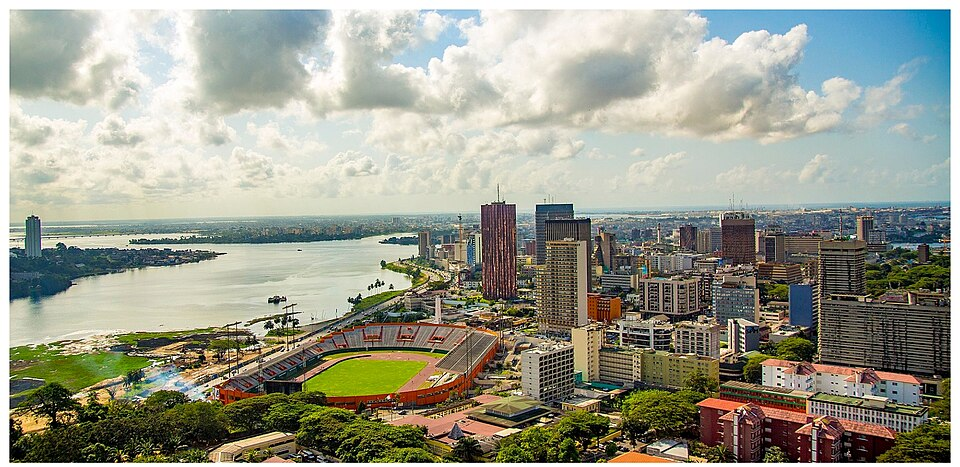
The Digital Rights and Inclusion Forum (DRIF) 2026 will once again bring together digital rights leaders, policymakers, technologists, researchers, and civil society organizations from across Africa and beyond. This annual gathering, organized by Paradigm Initiative, provides a critical space to explore how the internet can remain open, inclusive, and rights-respecting as new technologies and governance frameworks continue to reshape the digital landscape. This year, DRIF will be held in Abidjan, Cote D’Ivoire, and its theme will be building inclusive and resilient digital futures.
For the fourth consecutive year, the Wikimedia Foundation is proud to sponsor this important space for collaboration on digital rights and internet governance in Africa. Wikimedians’ active engagement in these topical discussions is essential to highlight the role that the open knowledge movement plays in building multilingual, community-led spaces online that serve the public interest. You can read more about how we engage in these discussions from our experiences at DRIF in past years.
This year, Wikimedians will host and participate in several sessions at DRIF26, including a session in French from Wikimedia Côte d’Ivoire, sharing lessons from across the Wikimedia movement on how collaboration can strengthen digital rights and ensure more people can contribute to the internet and benefit from it. The sessions will cover topics including digital inclusion of youth, open knowledge infrastructure, multilingual internet access, and digital public goods.
Below is a preview of the sessions that Wikimedians and allied partners will lead during DRIF26.
Open Knowledge for Youth Digital Inclusion: Rights, Skills, and Participation
Time & Date: Wednesday, April 15, 2026 @ 10:10 GMT – 11:10 GMT
Presenters: Barakat Adegboye (Wikipedia Education User Group); Nkem Osuigwe (African Library and Information Associations and Institutions); Peace Agada (Library Aid Africa)
Across Africa, young people face persistent barriers to meaningful digital participation. Limited connectivity, inequitable access to digital infrastructure, uneven digital literacy skills, unsafe online environments, and few opportunities to create and share knowledge all contribute to a widening participation gap.
These barriers affect not only access to technology, but also the exercise of fundamental digital rights such as access to information, freedom of expression, and civic participation online. At the same time, research continues to highlight Africa’s underrepresentation in the creation of locally relevant and openly licensed digital knowledge. This session will explore why Wikimedia-based approaches are relevant to anyone working on digital rights and inclusion, even beyond the Wikimedia ecosystem. Community-driven initiatives such as Wikipedia education programs offer practical and low-cost ways to strengthen media and information literacy, encourage youth participation in knowledge creation, and build safer and more participatory digital spaces. Drawing on case studies from organizations including AfLIA and Library Aid Africa, speakers will share practical models—from participatory learning and mentorship pathways to open educational resources—that help young people develop critical digital skills while contributing their knowledge to the global commons.
Participants will leave with actionable strategies for empowering youth to engage with information critically, contribute local knowledge, and exercise their digital rights.
An Internet in Many Tongues: Exploring and Celebrating African Languages through Community-Led Digital Public Goods
Time & Date: Wednesday, April 15, 2026 @ 10:10 – 11:10 GMT
Presenters: Willy Buloso (Wikimedia Foundation); Emmanuel Ngue Um (University of Yaounde); Dr Nkem Osuigwe (Igbo Wikimedians User Group)
What does it take to build a flourishing multilingual internet—one that empowers everyone, everywhere—especially as artificial intelligence raises questions about whose data is used, whose languages are supported, and who ultimately benefits?
This session, co-hosted by the Mozilla Foundation and the Wikimedia Foundation, uses AI as a framing device to examine the long-term work required to build and sustain a public-interest internet. Rather than treating technology as an unstoppable force, the session emphasizes that digital systems are designed—and design can be changed by people and communities. Participants will explore how projects such as Wikipedia, one of the internet’s most enduring digital public goods, demonstrate what is possible when openness, collaboration, and linguistic diversity are embedded in technological design. Through case studies from African and Francophone language communities, speakers will discuss how Wikimedians are preserving and expanding underrepresented languages online. At the same time, the Mozilla Data Collective will present emerging models for community governance of sensitive language and speech datasets in an AI-driven ecosystem.
By bringing together community organizers, technologists, researchers, and advocates, this session will highlight the practical work needed—financially, politically, and institutionally—to ensure the internet remains diverse, inclusive, and rooted in the public interest.
Wiki Loves DRIF: Inclusion numérique par la photographie dans les projets Wikimedia
Time & Date: Wednesday, April 15, 2026 @ 13:50 – 14:50 GMT
Presenters: Wikimedia Côte d’Ivoire
Les concours photographiques « Wiki Loves » (« Wiki aime ») – tels que Wiki Loves Africa, Wiki Loves Earth, ou Wiki Loves Folklore – sont organisés chaque année dans les communautés Wikimédia à travers le monde. Leur objectif est de valoriser les cultures et traditions locales à travers des photographies qui reflètent les réalités et la diversité culturelle de nos pays.
Ces initiatives contribuent à construire des avenirs numériques inclusifs et résilients en renforçant les communs numériques ouverts et en améliorant la représentation des cultures africaines en ligne. Lors de cet atelier au DRIF 2026, les participants découvriront d’abord les initiatives photographiques sur Wikimedia Commons, la plateforme collaborative libre qui héberge des millions de contenus multimédias (photos, vidéos, audios) librement réutilisables. Les ressources sont enrichies de métadonnées multilingues, favorisant l’inclusion culturelle et linguistique tout en contribuant à préserver les patrimoines culturels dans un web ouvert.
Dans un second temps, les participants prendront part à un édit-a-thon Wiki Loves, afin de découvrir concrètement comment téléverser des photographies et contribuer au numérique ouvert. Cette activité permettra aux participants de devenir acteurs de la production et de la gouvernance des contenus culturels en ligne.
Linguistic mutualization with Wikidata: strengthening free access to knowledge through interaction between Wikimedia communities
Time & Date: Wednesday, April 15, 2026 @ 16:10 – 17:10 GMT
Presenters: Regine Njiké (Wiki N’zundeuh of WAFTAI, Cameroon); Emmanuelle Guebo Kakou (Wikimedia Côte d’Ivoire); Mark Lapang (Igbo Wikimedians User Group, Nigeria)
This workshop introduces participants to Wikidata, a global open data project that demonstrates how knowledge can be collaboratively collected, preserved, and shared as a public resource.
Recognized by the United Nations as a digital public good, Wikidata provides open, freely reusable structured data that can support innovation, research, and services worldwide. During this session, speakers will demonstrate how open semantic data enables communities to document local realities, languages, and cultural heritage. This structured knowledge also plays an increasingly important role in AI systems, helping ensure that datasets reflect a broader diversity of languages and contexts. Participants will also learn how contributors can document their languages directly on Wikidata. Examples include lexeme documentation projects for Yemba in Cameroon, Baoulé in Côte d’Ivoire, and Igbo in Nigeria.
By sharing experiences from multiple Wikimedia communities across Africa, the workshop aims to inspire more organizations and individuals to use Wikidata to strengthen linguistic diversity and build a richer, more inclusive digital knowledge ecosystem.
Join the conversation at DRIF 2026
The Wikimedia movement continues to collaborate with partners across civil society, education, technology, and cultural sectors to advance open knowledge and digital rights.
If you are attending DRIF 2026, we invite you to join these sessions, connect with Wikimedians from across Africa, and explore how digital public goods can strengthen participation, representation, and access to knowledge online.
Together, we can help shape an internet that truly works for everyone.
Can you help us translate this article?
In order for this article to reach as many people as possible we would like your help. Can you translate this article to get the message out?
Start translation