

Digital Creators Aren’t Journalists, They’re in a Lane of Their Own, And That’s Okay
It’s crucial to avoid mislabeling digital creators as journalists and to explore why society often sees them as interchangeable with experienced journalists.
Key Takeaways
- Digital creators differ from journalists by lacking formal ethics, training, and impartiality standards.
- The media shift forces journalists to adopt digital skills, becoming hybrid creator-journalists.
- Collaboration among journalists is vital to uphold credible journalism amid industry challenges.
If you’re anything like me, you’re chronically online and aware of the many conversations swirling around influencers and/or digital creators versus journalists, and where they should be tiered relative to professional journalists. Many of us are now asking if there’s a difference, given the ever-changing media landscape?
However, there is a large distinction between digital creators and journalists, like intentional training and moral journalist ethics, which, according to the Society of Professional Journalists include the following key principles: seeking the truth and reporting on it, minimizing harm, acting independently by serving the public and avoiding conflicts of interest and refusing fits or favors that compromise integrity, being accountable and transparent – varyifing facts, adhering to and correcting errors in their work, and explaining processes to the audience.
The most relevant principle for digital creators acting as journalists, which should not be confused with seasoned independent journalists, is fairness and impartiality. The Society of Professional Journalists believes that journalists’ work should present multiple sides of a story, avoid bias and stereotypes, and treat subjects with respect.
Unfortunately, we’ve seen some digital creators who’ve been tapped to cover large award shows like the Golden Globes and the Oscars fail to treat their interview subjects with respect, whether by lacking in-depth knowledge of their projects or performances, by spewing crude and unkind comments, or by demonstrating subpar interviewing skills.
Additionally, digital creators often receive hefty compensation for hosting red-carpet events, creating content about the event, and participating in paid partnerships with studios on junkets and branded-content (sponsored) promotion for television and film projects. Independent journalists, freelancers, or staff working in newsrooms generally don’t receive those kinds of opportunities, widening the wage gap within the media economy as more studios vie for viral sound bites on carpets and at junkets to bolster digital reach and boost viewership on their social media channels.
So, why are there still comparisons between digital creators and journalists? Today’s media landscape is muddled. News is no longer widely consumed through print magazines, newspapers, or linear television due to the rise of social media and the decline of newsrooms nationwide. Now, skilled journalists find themselves enmeshed in a cesspool of TikTokers, live streamers, YouTubers, sub-stackers, and Instagram creators who label themselves journalists because they actively blend influencer marketing with cultural updates for their audiences.
Newsrooms are folding across various media mediums, digital news sites, print, and television. According to Nieman Lab, 2025 has been difficult for traditional journalism, with layoffs announced by CNN, Vox Media, Teen Vogue, HuffPost, NBC, LA Times, Washington Post, VIBE, Rolling Stone, ESSENCE, and more, resulting in 10,000 people who have been laid off in the last three years.
According to the initiative focused on the future of journalism and reporting on digital media innovation, that’s more than 1 in 10 editors and reporters employed in the media industry, according to Bureau of Labor Statistics data, leaving journalists in a tough position and no choice but to adapt to the times, which likely means adopting some digital skills creators inhabit to stay afloat to continue their craft impactfully.
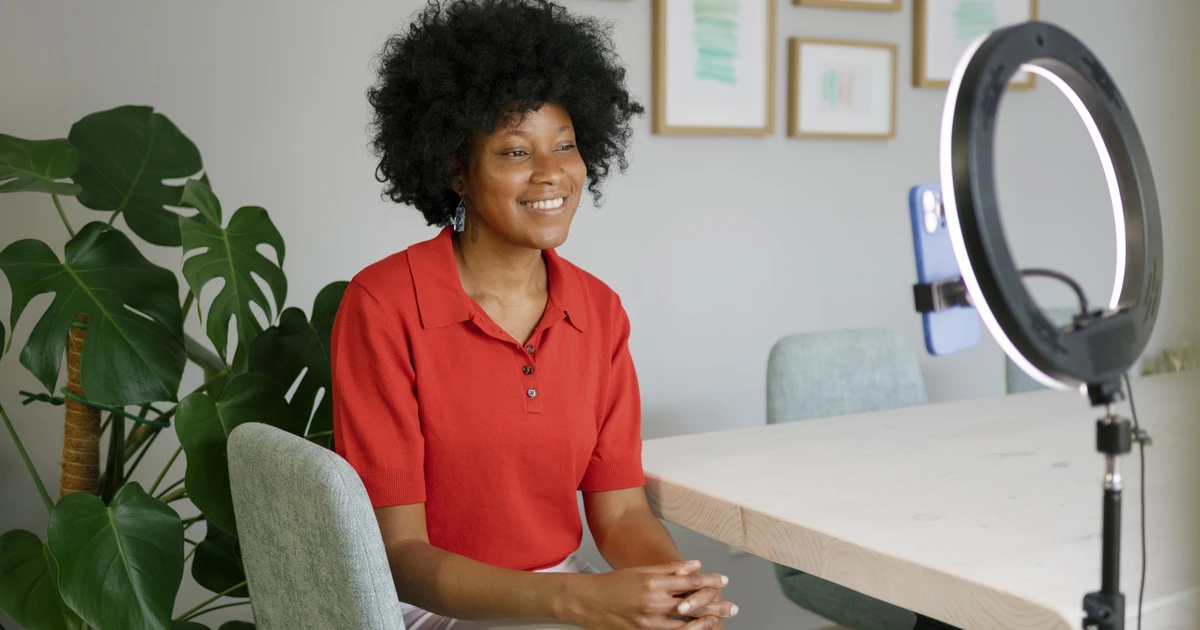
Like, focusing on personal branding, audience engagement, and multi-platform storytelling to reach audiences directly and often – beyond the page. Many journalists are still writing or reporting, but adding video content. This shift involves creating, not just reporting, informational and engaging content on platforms like TikTok, Instagram, and YouTube, often leading to a hybrid creator-journalist, with an effort to connect with younger audiences and build trust.
Medical creator-journalist and Washington Post columnist Dr. Trisha Pasricha believes the comparison between journalists and digital creators is nuanced, and that a new sub-group is emerging: creator-journalists. “There is this exciting, somewhat new field of creator journalists, which is incredibly important,” Pasricha told EBONY. “We as journalists are starting to realize that we need to meet people where they’re at as journalists, and that is becoming offline and instead on video formats and on social media.”
Pasricha advises journalists looking to diversify their content to start thinking through a social-first lens. “I want to take the best of both worlds, the rigor and institutionalized fact-checking of journalism, and couple that with the creativity and storytelling of a creator, and I hope that I’m doing both. I hope I’m informing audiences and entertaining them. I think today, if we want to capture audiences and teach them, we have to do both,” she said.
However, being a creator-journalist walks a fine line, rooted primarily in ethics and journalistic standards, including the refusal of brand sponsorship deals. “As far as brand deals go, I don’t accept any brand deals because, for the exact reason that it would be considered unethical, and I am above everything, a journalist,” Pasricha stated. She added, “Journalists are held to stricter standards. think one thing creator journalists need to do better is make it clear they are not creators.”
Veteran, award-winning journalist Amber Ferguson believes journalists can still work alongside digital creators, but urges the public to become better educated about journalism’s purpose. “It’s such a murky arena right now, and I love being a journalist; I don’t want to be a full-time creator or content creator, even though the money is definitely very appealing. I think my purpose is bigger.
My North Star is storytelling and telling other people’s stories accurately and empathetically, so they resonate with a wider audience. I am a journalist because journalists write the first page of history, shaping how things are perceived and reported. I take that job very seriously. And I think that’s one of the things that most people misunderstand about the role of journalists today,” she said.
Ferguson added, “Some people think journalists are like mouthpieces for companies or that they only want to be like on TV or be famous. That’s so far from the truth. Not only am I a journalist, but I’m also a historian and sociologist through my work. I have to tap into so many different skills. I watch and read past interviews with people I’m about to interview to understand how they might answer a question, and I come up with additional questions on top of that. I have to be a marketer and market my own work. I have to do so many things, and I have to be accurate. At the end of the day, it’s a lot of hats to wear, and I wish that people understood that about journalists.”
What’s the solution for journalists who want to expand their brand but continue to keep their commitment to public service? Culture journalist Taryn Finley says journalists will have to collaborate more to sustain credible journalism.
“We have to come together to continue to have access to spaces that we marginalized journalists have been shut out of. Change is hard, especially when you’ve been doing this for decades or your entire life. Although journalism is here to stay, we’re facing a new way of operating in this industry, as well as blatant attacks on journalists and journalism by the current administration,” she said.
Finley continued, “I think about my North Star, Ida B Wells. There were so many factors going against her, but she still got out there and told us, and told the stories through investigative journalism. A lot of journalists are fouling out. They’re exiting the industry, which I understand. But those journalists who remain will be steadfast in their work and will have popular, relevant brands. It’s a lot of pressure now, but pressure makes diamonds.
It’s the people who are journalists that give power to journalism, not the institutions and not the conversations, that we’ll look at really differently even a year from now.”