


Insights from the factory floor – the next chapter of the manufacturing digital revolution is here

At the beginning of 2025, one third of UK manufacturers saw digital technologies, cloud and AI as significant drivers for growth. But did they actually drive growth? Are manufacturers maximising the potential of digital tools to fuel industry growth for years to come?
Kevin Bull, product strategy director at Columbus, visited some of the leading manufacturing businesses across the UK, as part of his remit on the judging panel of a prestigious industry award, to find out just where the industry has got to and what the next chapter of smart manufacturing has in store.
In previous years, many factories were still experimenting with emerging tools. Fast forward and now digital improvement is a key factor across all areas of manufacturing. In particular, there are six key innovations fuelling this digital revolution in the manufacturing industry:
1. AI’s evolution is spreading out across supply chains, into maintenance and training
The UK manufacturing sector is spearheading the digital revolution across Europe, with over half of manufacturing organisations utilising AI or machine learning across their factory floor. Many of the factories visited have introduced advanced tools, such as computer vision systems and camera-based inspection tools, to enable real-time defect identification, improve product quality and reduce waste and costs.
But here’s what I found. Generative AI technologies are starting to be integrated across wider manufacturing operations to streamline supply chains, and for predictive maintenance and training content. Many early adopters of Generative AI have seen great success with it, and 15% stated it has delivered the highest return on investment of any innovative technology. Looking into the future, many UK manufacturing factories are going beyond Generative AI to incorporate more advanced AI solutions in order to enhance their factory operations.
2. Reducing risk with digital twinning – test before you invest
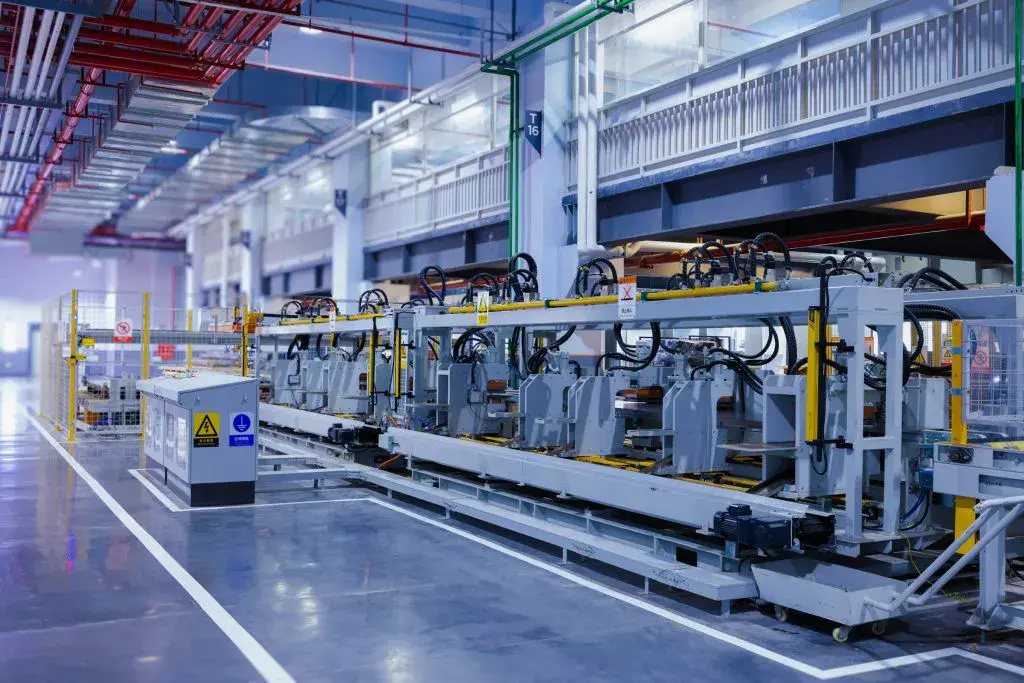
Digital twin technologies play a key role in enabling manufacturers to create a virtual representation of physical objects. In one instance, a UK manufacturer was able to design, test and validate a new production line with digital twin modelling before successfully integrating it onto the factory floor. But what are the payoffs?
Through utilising real-time data, the digital twin models allow manufacturers to accurately reflect physical object activities, behaviours and conditions in a virtual environment. This significantly helps manufacturers to reduce risk when integrating new assets onto their factory floor, cut project lead-times and help guide investment decisions.
3. The power of predictive maintenance – from reactive repairs to proactive prevention
Unexpected equipment downtime was set to cost the UK and European manufacturing industry more than £80bn in 2025 – but manufacturers that embraced predictive maintenance saw a 50% reduction in unplanned downtime, a 25% increase in maintenance cost savings and a 10-12% rise in Overall Equipment Effectiveness. By linking equipment to IoT sensors, predictive maintenance can gather and analyse vibrations, sound and temperature data to detect patterns and predict when equipment failure could occur. Going forward, innovative uses of predictive maintenance will be key to ensure the factory floor is as productive as possible and that machine downtime is minimal.
4. The next-generation factory floor – optimising the assembly-to-market pipeline
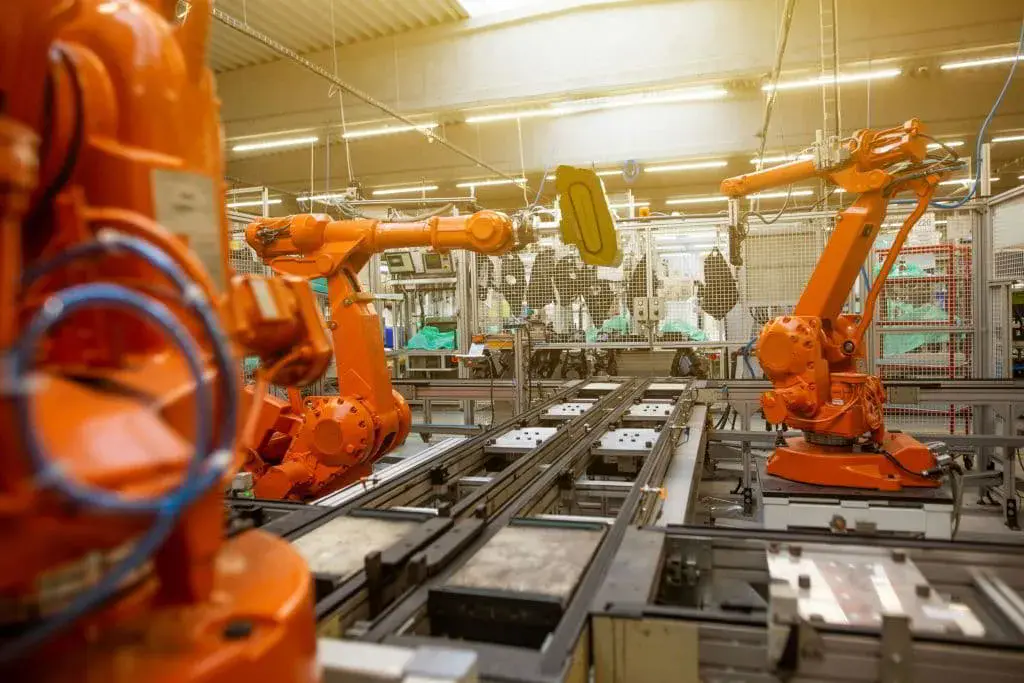
Across the UK, manufacturers are utilising autonomous tools to eliminate errors and improve product assembly processes – whether that be barcode scanning to help with product tracking, weigh-scale validation to ensure product consistency and compliance, or quality sensors to provide in-progress checks or identify defects.
But some of the UK manufacturers I visited have taken the use of autonomous tools one step further and have started to laser scan product components directly into 3D printing workflows to increase new product-to-market time by accelerating development cycles, increasing precision and reducing traditional manufacturing constraints.
Through combining the use of automation and digital innovations, manufacturers are witnessing a more streamlined design and production phase, which allows their workforce to concentrate on other value-added tasks.
5. People are the power behind the manufacturing digital revolution – protect them
It has been widely reported that one of the biggest challenges that manufacturers face when integrating and scaling AI is the lack of talent and skills within their workforce. But now the focus of UK manufacturers is shifting. According to recent reports, 38% of UK manufacturing organisations plan to upskill their existing talent.
Of the factories I visited, many are planning to integrate employee learning platforms in order to help enhance their workforce’s digital skills, and balance digital innovation with people-centric values. This is crucial for manufacturers to protect themselves in the long-term from the industry’s skills shortage.
Across the factory floors, teams of data scientists, developers and AI specialists are being built to drive internal transformation. Through building these specialist teams, manufacturers can design purpose-built IT/OT platforms, shopfloor apps and Product Lifecycle Manufacturing (PLM) systems to enhance their operations.
6. Top-notch cybersecurity remains a non-negotiable
Following the major cyberattack last summer on Jaguar Land Rover (which saw their computer network shut down and cost the business over £196m in cyber-related costs), cybersecurity was a hot topic across the factories being judged.
As the manufacturing industry continues along its digital revolution, the level of cyber vulnerability is only increasing, and as a result, the need for robust cybersecurity measures has never been greater.
One of the key recognitions of many of the manufacturers visited was how factories can reduce the risk of cyberattacks while still progressing their digital innovation journey. Manufacturers cannot just delegate these cyber issues to their Security Operation Centre (SOC) teams; it takes a companywide effort, starting with awareness for accountability by top management and then measures being put in place at every operational stage.
A smarter future for manufacturing
The manufacturing industry is immersed in a digital revolution. Over the course of two years, it has progressed from experimentation to using mature, integrated digital innovations. UK manufacturers are now not only embracing digital technologies, but they are also becoming a key part of the business, with many manufacturers scaling them and embedding them with many innovations actively shaping the future of the industry.
But here’s my footnote to this smarter future. The manufacturers that will prosper in the next digital chapter of manufacturing will be those that keep cybersecurity and people at the forefront of all their decisions when choosing to adopt and scale these innovative technologies.
Columbus
www.columbusglobal.com
Tags