

LITERACY DRIVE TARGETS DIGITAL SKILLS FOR ALL EMASWATI
BY TANDZILE DLAMINI
MBABANE – The Ministry of Information, Communications and Technology has intensified calls for broader literacy as the country shifts deeper into the digital age, with leaders warning that reading and writing alone are no longer enough.
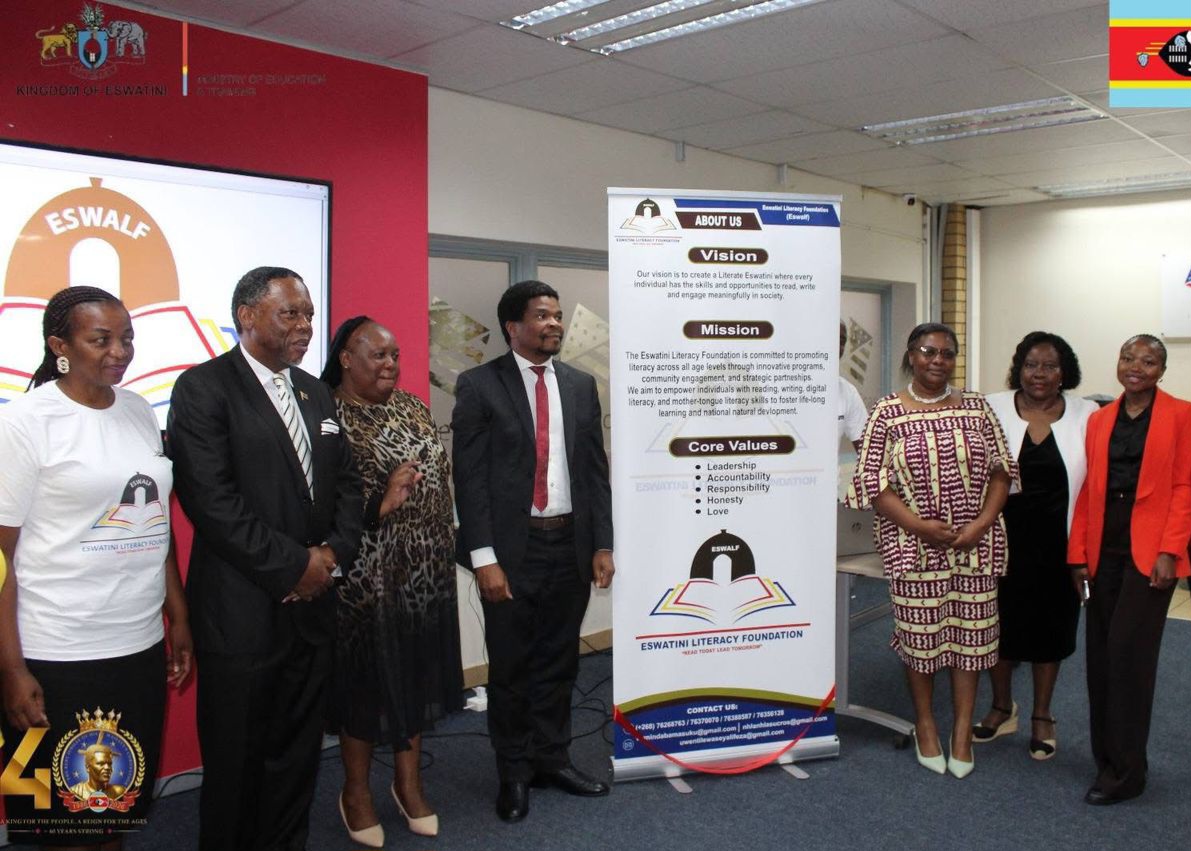
Speaking during the launch of the Eswatini Literacy Foundation on 22 April 2026, Principal Secretary Prince Mshishimba said literacy now includes the ability to navigate digital platforms, verify information and participate in a technology driven economy.
He said the country is making progress toward a digital future, but access to literacy must reach all emaSwati, including rural learners, small business operators and senior citizens. “Literacy in this era is about survival and participation in a digital world,” he said. “We cannot leave behind the child in a rural school, the mother running a small business or the elderly seeking connection.”
Prince Mshishimba said traditional literacy remains the foundation of education, noting that reading, writing and basic numeracy still form the base upon which digital skills are built. He linked digital literacy to jobs, entrepreneurship and economic growth, saying it equips people to use mobile money, access market information and reach customers through online platforms. He added that it also improves access to public services, including Ws government digital platforms.

The Principal Secretary said investing in digital skills would reduce poverty, promote innovation and build a more resilient economy. “Digital literacy is the gateway to the global economy. It allows emaSwati to move from being consumers of technology to creators,” he said.
The Eswatini Literacy Foundation president Vumindaba Masuku said the organisation was formed in response to growing evidence that literacy challenges limit development and opportunity.
Masuku cited global research showing that low literacy levels are closely linked to poverty and inequality, and warned that many children in developing regions attend school but fail to read simple texts by age 10, a crisis often described as learning poverty.
“This is not just about education. It is about dignity, opportunity and national progress,” she said. She said the foundation will focus on expanding access to reading and writing materials, supporting teachers, promoting early grade reading and encouraging a culture of reading in homes and communities.
The organisation will also target adults, promote digital literacy and work with volunteer librarians to support inclusive learning. Masuku called for collaboration between government ministries, communities, educators and development partners, saying no single institution can address literacy challenges alone.
“Literacy is not the end goal. It is the beginning. It unlocks education, employment and equality,” she said.
The launch coincided with global celebrations of World Book and Copyright Day and comes as the country marks 40 years of the reign of His Majesty King Mswati III, whose past support for reading initiatives was also acknowledged.
The foundation positions itself as a national platform aimed at ensuring that every emaSwati can read, learn and participate fully in the modern economy.
Post Views: 5