

Liberia Begins Remarkable Journey with Launch of Training Aimed at Empowering Digital Content Creators
“The training is very important because it helps creators understand monetization and how to turn their passion into income,” Mr. Olando Adewunmi, Chief Executive Officer of Apollo Endeavor, a third-party partner of Meta asserts.
MONROVIA – Liberia has taken the first of a thousand mile towards digital content monetization as the Liberia Telecommunications Authority (LTA) in key line ministries and agencies including the Ministry of Information, Youth and Sports and the Liberia National Tourism Authority or LTA has officially launched the ‘Content Monetization Training.’
By Emmanuel Weedee-Conway
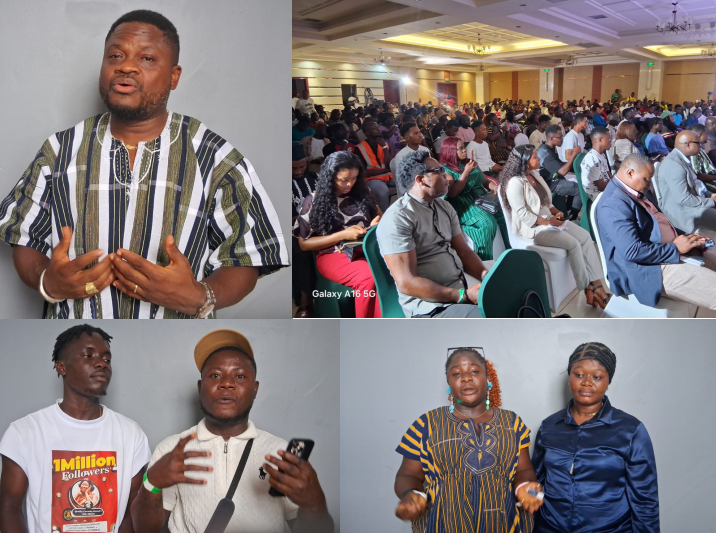
The two-day training, which is being held at the Ellen Johnson-Sirleaf Ministerial Complex in Congo Town, outside Monrovia, aims at empowering young Liberians and digital content creators to earn income through the various online platforms through by making use of acquired knowledge.
Also in attendance are aspiring content creators, media practitioners and entrepreneurs seeking to harness the growing opportunities within the digital economy space.
Speaking in an interview with this paper at the event, LTA’s Commissioner for Consumer Affairs, Patrick Honnah, outlined the significance of the initiative, stating that it forms part of a presidential mandate aimed at improving Liberia’s digital competitiveness and securing eligibility for monetization on major social media platforms.
“We made a commitment during our confirmation that we would push for Liberia’s eligibility for social media monetization. This training is one of several steps required in that process,” Mr. Honnah told Front Page Africa.
According to Commissioner Honnah, both TikTok and Meta emphasized that training content creators is a key prerequisite for countries seeking access to monetization features.
Participants are expected to receive certificates of participation, after which the government will move to the next phase of engagement with the platforms, according to the top LTA official.
Mr. Honnah disclosed that Meta has already acknowledged Liberia’s efforts, noting that the country is “on the agenda for consideration,” but stressed that both the government and content creators must demonstrate seriousness and professionalism.
A major focus of the training was on responsible content creation. Facilitators highlighted the importance of adhering to community guidelines and avoiding harmful online behavior such as cyberbullying, harassment, and the spread of violent or inappropriate content.
“We want our content creators to understand the dos and don’ts. Social media should be used to build businesses and promote Liberia positively and not to create enemies.”
He emphasized that online content shapes international perceptions of the country, urging creators to showcase Liberia’s best attributes as others are doing for their countries.
Commissioner Honnah pointed to growing opportunities within the digital economy, citing examples from other African countries where individuals earn income through platforms like TikTok by promoting products and services.
“You can use your phone to make money. People elsewhere are earning a living through content creation, and we want Liberians to do the same.”
He noted that the initiative aligns with the government’s vision to digitize the economy, including improvements in mobile money interoperability supported by the Central Bank of Liberia and the LTA.
Despite the optimism, Commissioner Honnah cautioned that Liberia is “not there yet” when it comes to monetization, because the country’s relatively small population, which about 5 million people, poses a challenge in generating the high engagement metrics typically required by social media platforms.
Countries like Nigeria and Ghana, with significantly larger populations, naturally produce higher volumes of views and interactions.
However, he described Liberia’s efforts as “unprecedented,” noting that international partners have recognized the country’s aggressive push toward meeting the requirements.
The government plans to expand the training initiative beyond Monrovia to other counties, ensuring that more young people can benefit from opportunities in the digital space.
The Ministry of Information is expected to lead follow-up activities, including a “training of trainers” model to scale up digital literacy and content creation skills across the country.
“We are not at monetization yet, but this is part of the process, and we are moving in the right direction.”
Participants at the training are being equipped with practical skills in content creation, branding, audience engagement, and strategies for monetizing digital content across platforms such as YouTube, and TikTok.
Madam Maylouisa Noel Hill, Assistant Minister for Rebranding and New Media highlighted the government’s commitment to promoting digital literacy and supporting initiatives that amplify Liberian voices online.
Madam Hill encouraged participants to use their platforms responsibly, promote positive national narratives, and contribute to the country’s image both locally and internationally.
The training includes hands-on sessions, expert-led discussions, and mentorship opportunities designed to help participants transform their creativity into viable income streams.
Mr. Olando Adewunmi, Chief Executive Officer of Apollo Endeavor, a third-party partner of Meta, challenged Liberian content creators to harness their creativity, consistency, and cultural identity as the country pushes toward social media monetization.
According to Adewunmi, digital content plays a powerful role in shaping consumer behavior and global perception, stressing that Liberian creators have a unique opportunity to define how the country is viewed internationally.
“We look at content to learn about products and make decisions. So it’s important for Liberian creators to tell stories about who Liberians are – our culture, our lifestyle, our economy, and the opportunities the country provides.”
He emphasized that positive and authentic storytelling can attract investment, tourism, and global attention, while also empowering local entrepreneurs.
Mr. Adewunmi highlighted consistency as a critical factor in building a successful content creation career, indicating that top creators continuously refine their craft and adapt to changing audience preferences.
He urged Liberian creators to adopt a similar mindset, emphasizing that success in the digital space requires daily effort and innovation.
The Apollo Endeavor CEO underscored the importance of structured training programs like the ongoing workshop, describing them as essential for equipping creators with the skills needed to monetize their content effectively.
“The training is very important because it helps creators understand monetization and how to turn their passion into income,” Adewunmi noted. He added that such initiatives are particularly crucial for Liberia, given its large and youthful population, which presents both an opportunity and a responsibility to create sustainable digital livelihoods.
Mr. Adewunmi furthered that Liberia’s growing youth population positions the country well for a thriving creator economy, provided young people are empowered with the right tools and mindset.
He encouraged aspiring creators not to wait for opportunities but to take initiative and actively pursue their goals.
Adewunmi assured participants that more insights on content development, monetization strategies, and global best practices would be shared during subsequent engagements.
Also in an exclusive with this paper, two emerging Liberian content creators, Christopher Nyancie of Nelly Comedy House and Emmanuel Tyler, Skits Creator of Clarence Skits, welcomed ongoing efforts by the government to unlock social media monetization, describing it as a long-awaited breakthrough that could transform digital creativity into sustainable livelihoods.
Chris and Emmanuel, while sharing their perspectives on the sidelines of content creation training, expressed gratitude to the LTA for bringing global social media companies to Liberia.
They noted that the initiative addresses one of the biggest challenges facing local creators such as limited access to monetization opportunities. “This training is very good for us. We’ve been creating content for a long time without earning from it. So bringing TikTok and Meta here is a big help. I’m very happy,” Nyancie said.
Tyler shared similar sentiments, emphasizing that the government’s intervention signals a turning point for the industry.
“The biggest challenge we face is monetization. We put in time, effort, and creativity, but we don’t get returns. This effort by the government is a major step forward,” he asserted.
The creators highlighted the growing role of digital content in promoting Liberia’s image globally, particularly in tourism and entertainment. “Content creation is helping to showcase Liberia’s culture and tourism. There are so many talented actors and artists here, and now they have a platform to be seen worldwide,” Tyler explained.
For both creators, the introduction of monetization features represents more than just income; it is a source of motivation and growth. “When you earn from your content, it pushes you to do more. If I make money from one video, I’ll put even more effort into the next one,” Tyler tells FPA.
They believe that monetization will not only benefit individual creators but also stimulate broad-base economic activity. Nyancie stressed that a thriving creator economy could generate employment beyond content creators themselves.
“When one person is monetized, it creates jobs for others—graphic designers, video editors, makeup artists. It’s not just about one person earning; it’s about helping others too.”
At the same time, two Liberian female content creators have stressed the importance of professionalism, originality, and monetization as key pillars for building a sustainable digital career, amid ongoing efforts to unlock social media earnings in the country.
Patience W. Freeman, producer of Small Money Big Life Comedy, and Blessing Koon of Koon’s Family TV, also shared their experiences.
Freeman expressed excitement over the government’s effort to introduce monetization opportunities, describing it as a long-awaited breakthrough for creators who have worked for years without financial returns.
“I have been talking about monetization for years. We have been creating content but not benefiting from it. Today, I am very happy because I know our work will finally pay off,” Patience expressed excitement.
She thanked the government for facilitating the training, which she says offers hope for creators seeking to turn their passion into income.
Patience highlighted the importance of consistency and timing, noting that creators must build habits that keep their audiences engaged.
“You can’t just post anytime. You have to understand your audience so they know when to expect your content.”
For Madam Koon, prior to the prospect of monetization, she relied on promotional services, creating content for businesses who paid for visibility. “When people call me to promote their business, I go and do it because my service is not free. That’s how I have been earning.”
However, she remains optimistic that platform monetization will provide a more stable and rewarding income stream.
Koon pointed to division and lack of collaboration as major challenges facing Liberia’s content creation space, urging creators to support one another.
“In other countries, creators are united, they follow and support each other. Here, we need to do the same so we can grow together.”
She emphasized that engagement, likes, shares, and comments plays a critical role in boosting visibility and attracting wider audiences.
Both female creators warned against using controversy or explicit content as a shortcut to fame, stressing the need for ethical standards. “Don’t insult people or expose yourself just to get attention. It can damage your brand and your future,” Freeman advised. “
They encouraged new creators to focus on meaningful, inspiring content that adds value to society.