

Huawei launches Namibia digital skills drive

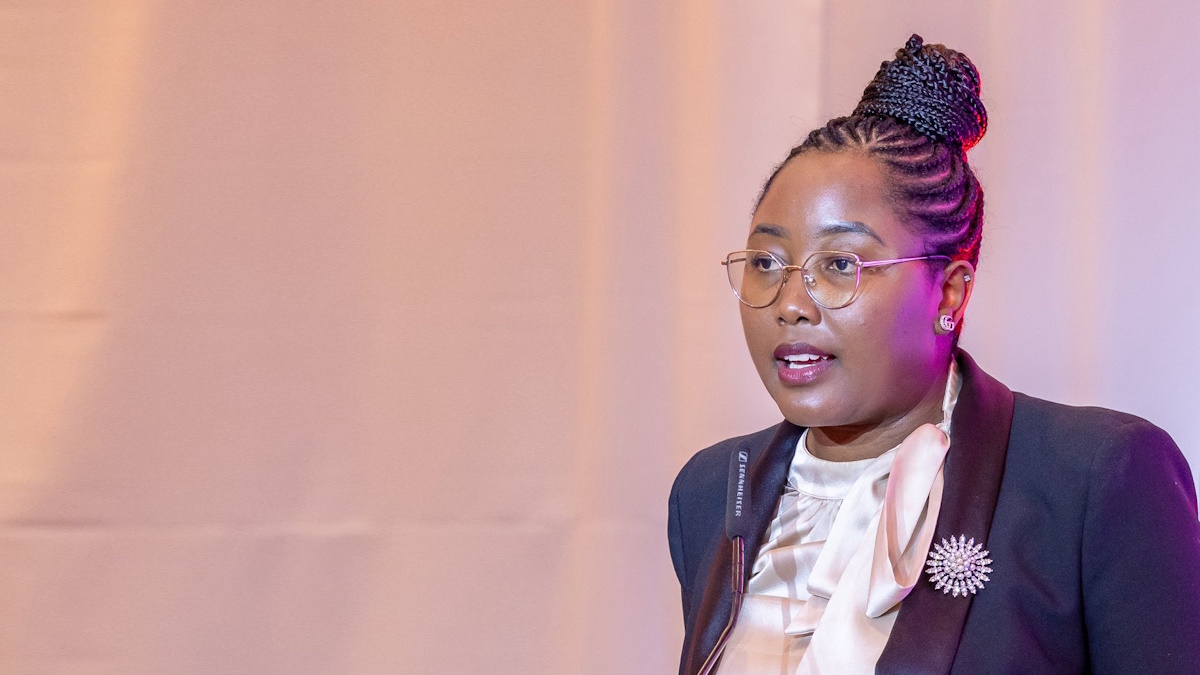
Namibia’s minister of information and communication technology, Emma Theofelus.
Namibia has welcomed the launch of two Huawei-led digital skills initiatives aimed at equipping young people and women with the capabilities needed to participate in the growing digital economy.
The Women in Tech Namibia initiative and the 2026 National Talent Cultivation Project were unveiled during the Huawei ICT Congress Gala Dinner held recently in Windhoek.
The programmes are expected to support government efforts to expand digital inclusion, strengthen ICT skills development and prepare Namibia’s workforce for emerging technologies.
The Women in Tech Namibia initiative seeks to increase female participation, entrepreneurship and leadership in the technology sector. Operating under Huawei’s global “Tech for Her, Tech by Her, and Tech with Her” framework, the programme focuses on providing women and girls with future-ready digital skills.
Meanwhile, the 2026 National Talent Cultivation Project aims to train around 1,000 Namibian students in key technology areas including 5G, artificial intelligence and cloud computing.
The initiative forms part of Huawei’s wider regional strategy to equip 150,000 young people across sub-Saharan Africa with digital skills by 2027.
Namibia’s minister of information and communication technology, Emma Theofelus, welcomed the partnership, saying government remained committed to fostering innovation, digital inclusion and skills development.
“Government remains committed to creating an enabling environment for innovation, digital inclusion and skills development,” she said.
Theofelus delivered the keynote address at the gala dinner hosted by Huawei, which was attended by government officials, representatives from Huawei Sub-Saharan Africa, the Chinese Embassy in Namibia and industry stakeholders.
She encouraged stronger collaboration between government and the private sector to accelerate Namibia’s digital transformation agenda and expand access to ICT skills, particularly for women and young people.