

Are DNP PMHNP Programs Preparing Nurses for Digital Mental Health Tools?
Digital health is revolutionizing mental health. Psychiatric providers are already using telehealth, online intake forms, electronic health records, symptom-monitoring apps, remote-monitoring devices, digital therapeutics, artificial intelligence (AI) tools for documentation, and secure messaging. This is not a trend for psychiatric mental health nurse practitioners. It is here now.
So, a DNP PMHNP program cannot only educate nurses about diagnosis, psychopharmacology, therapy-based treatment and clinical reasoning. They also need to learn how digital technology affects access, privacy, safety, equity, documentation, workflow, and the patient-provider relationship.
Digital Care Is Now Part of Psychiatric Practice
Growing patient and provider comfort with virtual visits drove rapid growth in telepsychiatry. Patients increasingly expect virtual care for at least some of their mental health care. It can also decrease barriers for patients in rural communities, busy households, patients with mobility issues, and those who experience stigma seeking in-person care.
But going digital isn’t just bringing an in-person visit to the computer. Assessment of psychiatric symptoms can be impacted by poor video quality, lack of privacy, distractions, lack of body language and technical issues. A patient may not feel secure sharing information. A provider may need to take risks without being there. These scenarios need to be taught.
DNP-prepared PMHNPs need to know when telehealth is appropriate, when face-to-face assessment is safer, and how to respond to a patient who expresses suicidal thoughts, psychosis, abuse, or medication issues during a video visit.
Telehealth Skills Need Formal Training
Nurses are often tech-savvy, but telehealth practice requires more than a familiarity with technology. PMHNP students must practice building rapport over video, psychiatric interviewing via distance, silence, low nonverbal cues and documentation of virtual encounters.
They also must know about licensure and legal precedents. Telehealth care is regulated, and providers need to know where the patient lives, what state laws apply, and how prescribing regulations might differ. This is particularly significant for prescribing controlled substances, crisis management and continuity of care.
Effective training programs should have virtual care practice encounters, case studies, ethics scenarios and supervision with virtual care content. Virtual care shouldn’t be a casual add-on. It’s now a fundamental skill.
AI and Documentation Are Changing Workflows
AI-powered documentation is increasingly present in health care. They can provide summaries, write notes, prompt for missing data, or help with administrative tasks. This may be appealing for busy mental health providers. Documentation is a key cause of burnout.
But psychiatry notes are confidential. Documentation may contain trauma history, substance abuse, family dysfunction, risk for self-harm, medication compliance, and diagnostic impressions. PMHNPs need to know where and how data moves, how notes are created, and who is liable for errors.
An electronic device may help generate notes, but the clinician is responsible for the final product. DNP PMHNP students should learn how to critically assess AI-based tools, be wary of biases, maintain privacy and avoid relying too heavily on summaries.
Apps and Digital Therapeutics Require Clinical Judgment
There are many mental health apps on the market. These may include mood monitoring, meditation, relaxation, cognitive behavioural therapy exercises, medication reminders, or crisis intervention. Digital therapeutics may be more structured and may be condition-specific.
PMHNPs don’t have to use all of them, but they should know how to find ones they do. Questions to ask include: Does it have research evidence? How is the patient’s information secured? Is the app accessible? Is it appropriate for the patient’s diagnosis, literacy, culture and clinical needs?
A patient with low levels of anxiety may use breathing exercises or mood tracking. A patient with serious depression, mania, psychosis, or active suicidal thoughts may require more advanced treatment. Technology can be used to facilitate treatment, but it should not be a substitute for human interaction.
Remote Monitoring Can Improve Care but Raises Risks
Remote monitoring can be used to track sleep, mood, activity, medication adherence, or side effects. They can help track things that would not be captured in short consultations. For instance, sleep disturbance can be an early sign of a mood disorder.
But more information isn’t necessarily better. Clinicians can be overwhelmed by too much information. Patients may be worried about monitoring. Data from wearables may not be accurate. Patients may lack smartphones, internet, or a private place to view data.
Nurses with DNPs should have a systems view. When considering a tool, leaders need to consider how data will be interpreted, who will respond to alerts, how will emergencies be managed, and whether the tool adds value.
Equity Must Stay Central
Technology can be used to increase access to mental health care, but it can also increase inequities. Every patient doesn’t have access to a device, broadband, digital skills, private housing or familiarity with technology. The elderly, poor, rural, non-English speakers and people with disabilities might be excluded.
Future PMHNPs must take equity into account before assuming digital care is more convenient. One person will benefit from a video visit and another may not. An app might work for one but not the other. Psychiatric care is not about fitting the patient into a prescription, but putting the right prescription into place.
Digital equity, accessibility, cultural responsiveness and ethics of technology use should be taught to advanced practice psychiatric nurses.
Training Nurses for the Future
Psychiatric mental health nurse practitioner (PMHNP) DNP programs are increasingly called on to help nurses adapt to a mental health care system that integrates in-person and telehealth care, electronic records, workflows supported by artificial intelligence (AI), and apps for patients. The best programs will consider digital skills a clinical skill.
Emerging psychiatric nurse practitioners must understand how to use technology while maintaining the human heart of mental health care. They need to ensure privacy, evaluate risks, assess tools, consider equity issues, and maintain personal connections through digital media.
Technology can increase access and enhance care, but only with clinician education. The future for PMHNPs will not be either virtual or face-to-face. It will be blended, data-driven, ethical and very much a judgment call.
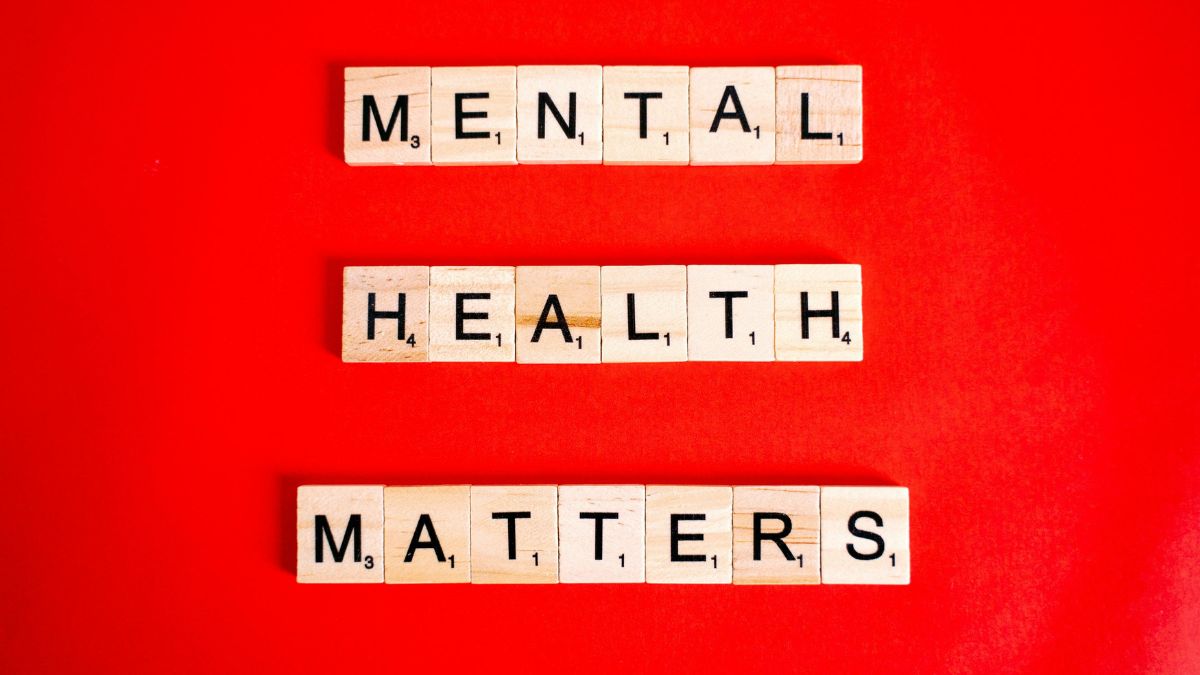
Image by Anna Tarazevich from Pexels
The editorial staff of Medical News Bulletin had no role in the preparation of this post. The views and opinions expressed in this post are those of the advertiser and do not reflect those of Medical News Bulletin. Medical News Bulletin does not accept liability for any loss or damages caused by the use of any products or services, nor do we endorse any products, services, or links in our Sponsored Articles.