

How Kerala became India’s first digitally literate state
Until recently, Abdullah’s phone knowledge never went beyond making calls on his little Nokia handset. That changed when the government’s DigiKerala volunteers reached out to him. Within months, his digital dream became a reality today, and YouTube is his favourite pastime.
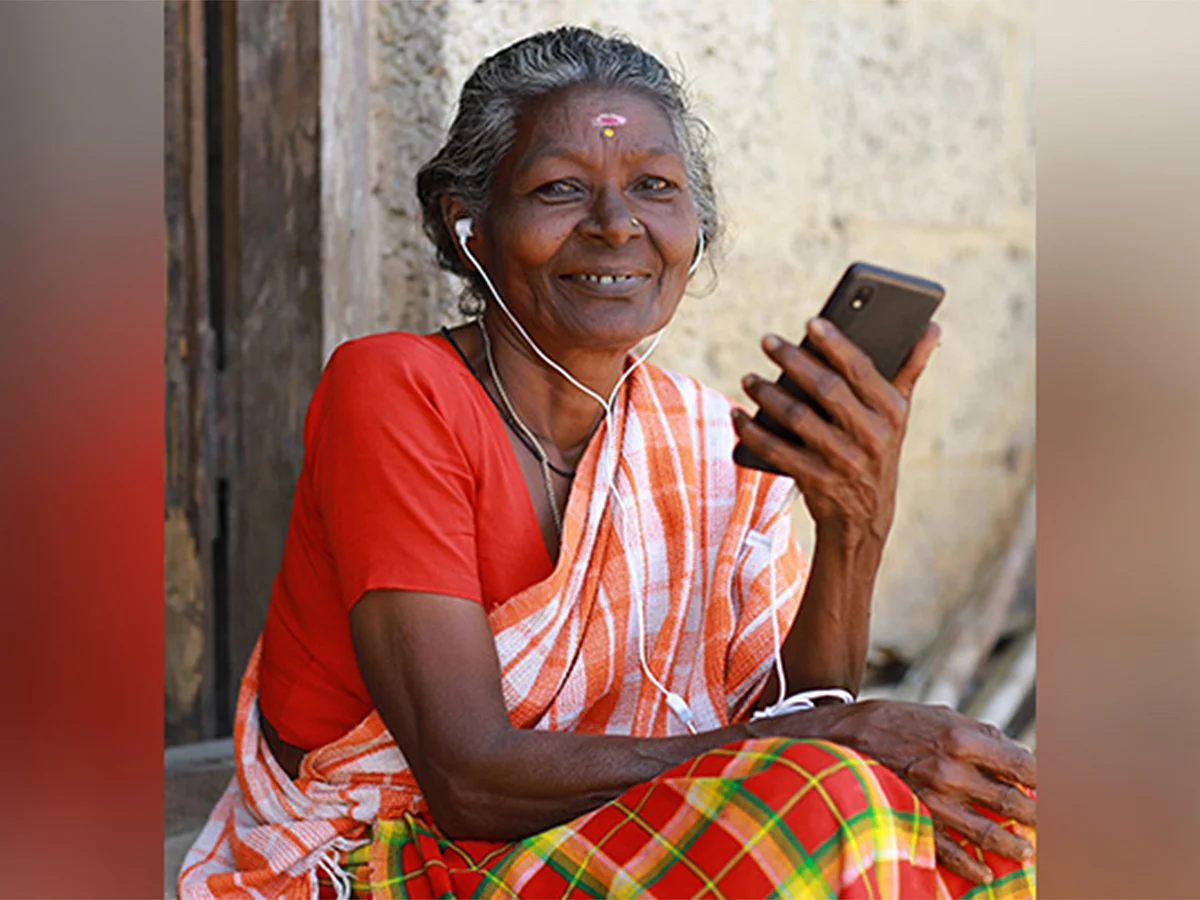
Until recently, they were all digital illiterates. Today, they are among the 21.87 lakh Keralites trained under the LSG Department’s ‘Digi Kerala’ programme, which has made Kerala the first state to bridge its digital divide, an ambitious feat that was formally declared on August 21.
Pullampara: The starting point
The story began in 2022 in Pullampara, a serene gram panchayat near Thiruvananthapuram. During the COVID lockdown, elderly women under the MGNREG scheme were risking their health and spending money just to check their bank accounts. That’s when the District Women Welfare Officer Sajina Sathar, now Assistant Director in Rural Development, suggested a simple but radical idea: “During the lockdown, women risked their health and spent money just to check bank credits. I thought if they can check a bank balance on a smartphone, life will be easier. We prepared a basic digital literacy report for the panchayat, and that’s how Digi-Pullampara was born.”
What started as a small pilot to make every household in Pullampara digitally literate, from basic skills like making calls, WhatsApp messaging, and online banking, to using e-governance portals, the project snowballed into a statewide mission, ‘Digi Kerala’ spearheaded by the Local Self-Government Department (LSGD).
After Pullampara was declared India’s first fully digitally literate panchayat, the State government decided to take the model statewide. In just 18 months, Kerala trained over 21.88 lakh digitally illiterate citizens. A mammoth survey covering 83.45 lakh households identified the learners, of whom 99.98 per cent successfully completed training and passed evaluation tests.
Speaking to ANI, LSG Minister M.B. Rajesh said, “If Pullampara can do it, why not the whole of Kerala? Initially, we targeted citizens below 65 years, but eventually, over 15,000 newly literate participants were above 90. Within 18 months, Kerala achieved digital literacy for all. This achievement lays the foundation for Kerala to transform into a knowledge-based economy.”
A volunteer army behind the mission
The force behind this success was a 2.57 lakh-strong volunteer army, comprising Kudumbashree members, NSS and NCC students, Literacy Mission preraks, library activists, and youth organisations, who fanned out across the state, teaching digital basics in homes, libraries, MGNREGS worksites, and neighbourhood groups.
Training modules included smartphone use, WhatsApp communication, Internet banking, accessing e-governance services, and safe digital practices. Offline sessions were provided in areas with poor connectivity, while third-party evaluations by the Statistics Department ensured accuracy and credibility.
A historic milestone for Kerala
What makes this achievement historic is its inclusiveness. Kerala didn’t just create digital natives among the youth; it empowered its elderly, women, and workers, those often left out of the tech conversation. From being digital illiterates to digital citizens, the journey of Sarasu, Karunakara Panicker, Padmini, and millions of others tells the story of a society closing its digital divide.
What began as a simple idea in a village now stands as a model for India, a society where even centenarians are digitally connected. On August 21, Chief Minister Pinarayi Vijayan officially declared Kerala as India’s first digitally literate state.