

Women’s digital literacy: Unlocking opportunity
To give all girls and women access to this digital future, The World Bank Group is delivering tailored digital literacy programs: the vital skills foundation which ensures access to the opportunities the internet provides.
To learn what actually helps women get online safely and confidently, the World Bank Group analyzed more than 100 digital literacy programs worldwide for a crucial report, What Works to Advance Women’s Digital Literacy, that shows the most effective programs get four key design features right.
1. Delivery Channel: Use the right medium for your audience—print, radio, video, applications, and even text messages.
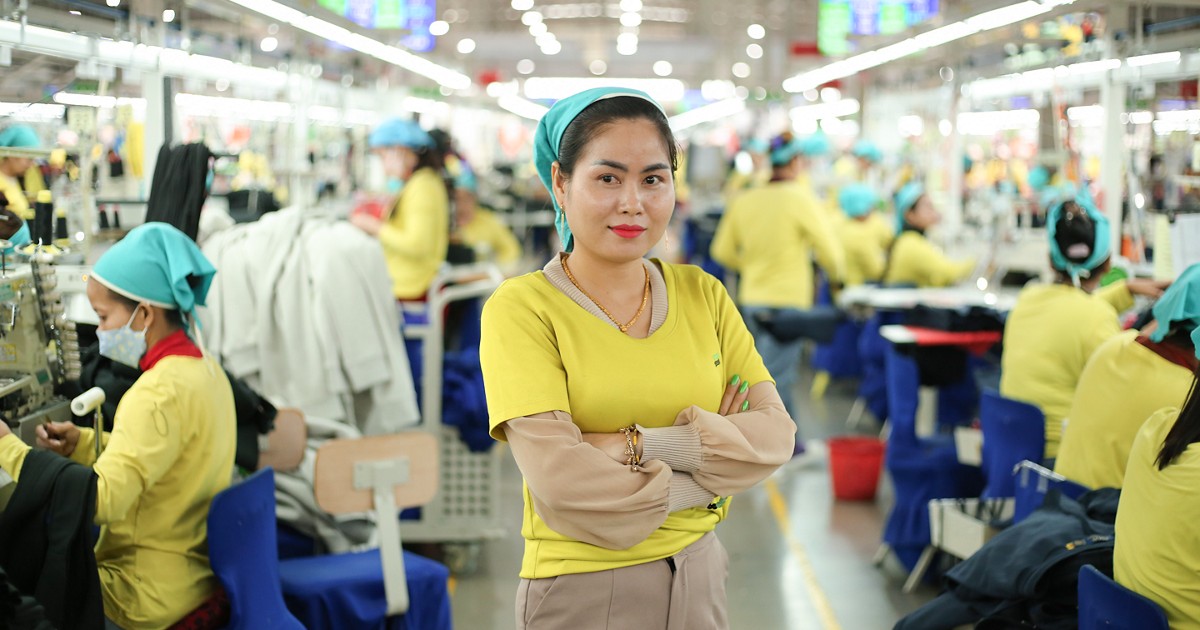
In Cambodia, Ry’s RISE financial health training program has reached more than six million garment workers. It is delivered through digital tools, such as videos and quizzes, as well as audio and posters around the factory.
2. Instructional Approach: Match the method to women’s needs, from classrooms to small groups.
A peer-based model, as shown in Cambodia, can be very effective. Educators like Ry can support dozens of colleagues through in-person training. Thanks to the support of their peers, the share of women making financial transactions after taking part in the training increased from 25% to 80%, strengthening both their economic security and digital confidence.
In Uganda’s Kamwenge District, the EQUALS Digital Literacy Project, which was implemented with local partners and supported by the World Bank’s Digital Development Partnership and the EQUALS Global Partnership, tested different instructional approaches to building digital skills among women in refugee and host communities. Some participants received instructional videos on their phones. Others received the same videos plus four weeks of hands-on support from a facilitator. The blended approach proved far more powerful, increasing knowledge and practical skill application sixfold.
3. Learning Model: Make it engaging to help women absorb information through learning-by-doing, games, or personalized and engaging content.
In the Philippines, Plan International and Visa’s Hope Town Hero App is a games-based digital financial skills app that captures the interests and hobbies of disadvantaged youth and girls. The app’s interactive activities encourage girls to learn in a safe digital environment.
4. Wraparound Support: Add mentoring, childcare, transport and community engagement.
In Nigeria, the World Bank Group’s ‘Gina Mata, Gina Al-Umma’ (Building Women, Empowering Communities) program equipped young women, including those in internally displaced persons camps and survivors of gender-based violence, with digital and entrepreneurial skills. The program creates safe learning spaces, with women facilitators and structured mentoring from female entrepreneurs and digital leaders. Participants gain not only technical know-how, but also the confidence and networks needed to translate skills into opportunity.
Effective digital literacy programs are not one-size-fits-all. They are designed with purpose, understanding, and tailored to support the unique women they serve. Women like Ry, who now unlocks new opportunities each time she helps a colleague use a new digital tool, open a mobile wallet, or send money home.
When digital literacy programs are designed around women’s needs, women don’t just get online. They gain skills, confidence and access to better jobs: driving growth and shaping the digital future.
For the World Bank Group, expanding women’s digital inclusion is central to our overall development goal of connecting people to productive work, so they can build lives of dignity that become a foundation for growth and stability.
** Acknowledgment: We thank Ella Moffat (Reimagining Industry to Support Equality), Innocent Cwinyai (AVSI Foundation), and Maryam Lawal (World Bank) for sharing their programs and insights. The What Works to Advance Women’s Literacy report is an output of the World Bank Group’s G2Px initiative.