Workforce and Learning Trends 2026
3. Workforce development is driven by productivity, retention, and engagement
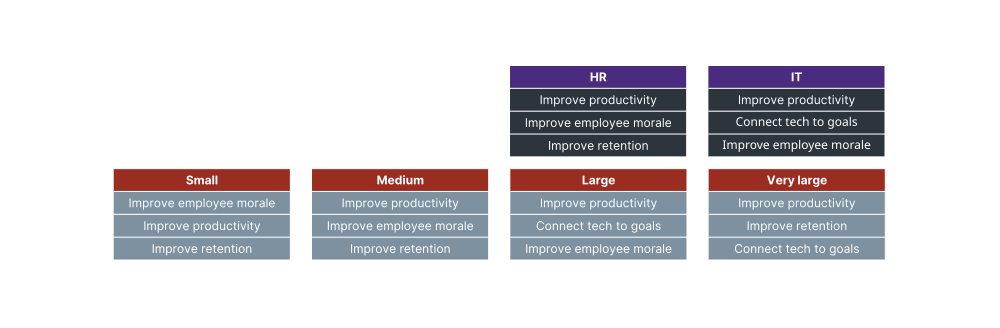
- Productivity is the top driver for workforce development efforts across all segments except small firms
- IT leaders and large enterprises are driven by the need to connect technology to organizational goals
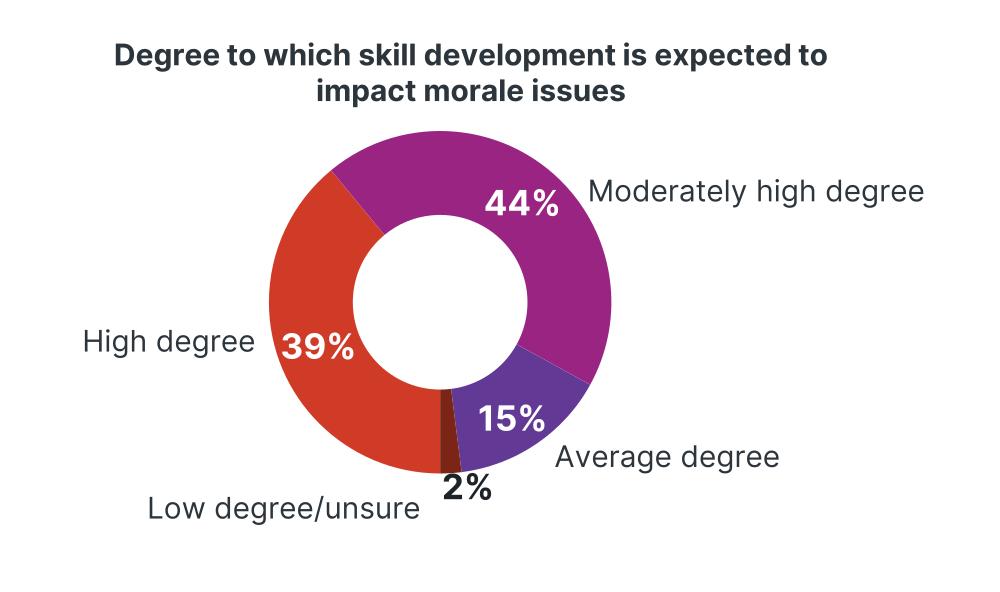
- A majority of companies expect to leverage skill development to a high degree in combatting root causes of low engagement
Productivity is the obvious motivation for developing skills, and in fact it ranks as the top motivation for nearly every segment of the sample. The lone exception is small businesses, where a tight-knit culture may often be a higher priority depending on the ownership structure.
Beyond productivity, the picture gets more interesting. Those in an HR function are focused on employee engagement and workforce retention, while those in an IT role prioritize their ability to connect technology activity to organizational goals. The ordering is not a surprise, but when considering where budgets are held, it may alter the composition of a development strategy.
The breakdown by company size also highlights how development programs might be evaluated and implemented depending on the scope and growth goals of the organization. Small and medium companies are focused more on workforce implications, working to ensure that employees are not only
productive but also feeling strongly connected to the business. At the enterprise level, there is more emphasis on connecting technology initiatives (which are more complex) to goals (which are more far-reaching).
Along with direct challenges that companies face when implementing a workforce development strategy, these varying motivations present an indirect challenge. Measuring productivity gains is difficult enough, but measuring the impact of training across several different vectors is even more complicated.
Digging deeper into the factors that contribute to low performance or flight risk, companies are contending with a workforce that reflects an anxious society. Although the Covid pandemic itself is well in the rear-view mirror, the aftershocks continue to be felt as events such as supply chain disruption, rising interest rates, and geopolitical tensions have steadily driven economic uncertainty. More recently, the emergence of AI has combined with a retreat from post-pandemic hiring to create a tighter labor market, adding to employee concerns.
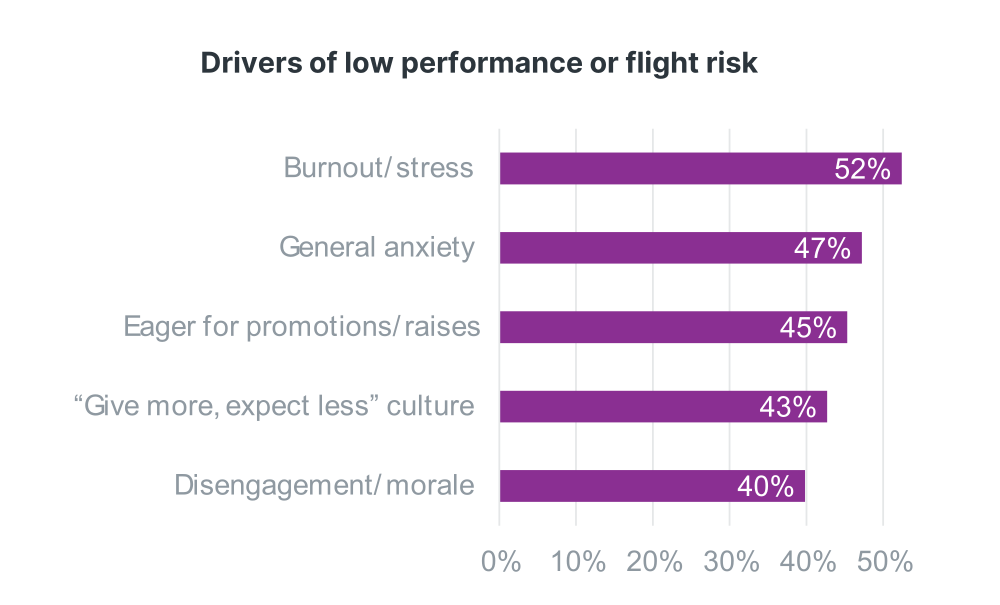
Burnout is often cited as a common malady for tech workers, especially cybersecurity professionals who are often required to respond quickly to malicious behavior. However, the data shows that HR professionals are actually more concerned about burnout (56%) than IT leaders (46%). While technology jobs include a healthy amount of stress, that stress also presents opportunity for problem-solving, which is commonly cited as a prime element of satisfaction in technology careers.
HR professionals and IT leaders are in lockstep when using workforce development programs as a way to combat stress, anxiety, and other ingredients that could lead to low engagement. Especially when combined with a well-defined framework that connects skill building to career advances, a robust development program can demonstrate employer commitment and create a more dynamic culture.