

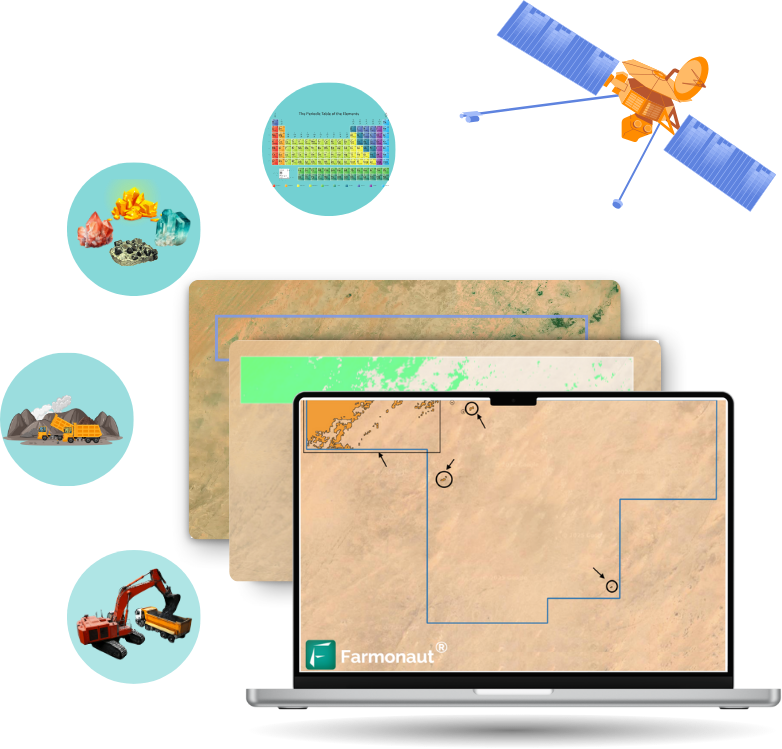
Transforming Mining With Smart Tech
“Over 75% of new mining projects implemented AI-driven systems for predictive maintenance by 2023.”
Table of Contents
Introduction to Digital Mines in 2025
The digital mines concept has rapidly become a cornerstone of the modern mining industry. Long characterized by labor-intensive processes and significant safety risks, mines around the globe are now undergoing a profound transformation. Through integration of digital technologies such as the Internet of Things (IoT), artificial intelligence (AI), big data analytics, advanced automation, and cloud computing, the way we optimize productivity, enhance safety, and pursue sustainable mining practice is changing dramatically.
As demand rises for critical minerals, especially those powering renewable energy technologies and electronics, companies are leveraging a broad spectrum of advanced systems to create smarter mining environments focused not just on output, but on environmental management, risk reduction, and operational agility. By 2025, digital mines represent not just innovation, but necessity and transformation for sustained industry leadership.
“By 2025, digital mines are expected to boost global mining productivity by up to 40%.”
The Evolution: From Traditional Mines to Digital Mines
For decades, the mining industry was known for its long reliance on manual labor, mechanical equipment, and hazardous conditions. Operations were characterized by significant risks to both human workers and the surrounding environments, with limited real-time data to support decision-making.
Digital mines have introduced a paradigm shift. The integration of digital systems and connected sensors now spans the entire mining ecosystem — from exploration and drilling to extraction and processing. These devices collect actionable data for everything from equipment health and workflows to environmental conditions and mineral composition.
The result is a move away from reactive processes (responding after the fact to breakdowns) and towards predictive maintenance (anticipating and preventing failures before they disrupt operations). The adoption of data-driven insights, automation, and AI algorithms is not only dramatically reducing downtime and maintenance costs but is also maximizing asset lifespan and minimizing risk for workers.

Core Technologies Powering Digital Mines
The heart of digital mining lies in the integration of a diverse array of technologies that are revolutionizing every aspect of the mine ecosystem. Let’s break down the most fundamental technological pillars enabling this transformation:
- Internet of Things (IoT) Sensors: Gathering real-time data on equipment health, mineral composition, environmental conditions, and operational workflows.
- Artificial Intelligence (AI) & Machine Learning: Advanced algorithms for predictive maintenance, resource allocation, and process optimization.
- Automation & Autonomous Machinery: Implementation of autonomous haul trucks, robotic drilling systems, and automated processes to perform high-precision tasks with minimal human exposure to dangerous conditions.
- Cloud Computing and Big Data Analytics: Rapidly processing massive data sets from connected devices to provide actionable insights for operators, enabling real-time decision making.
- Digital Twins: Virtual replicas of mining sites to model, simulate, and optimize processes before physical execution, including environmental impact scenarios.
- Blockchain Technology: Enabling traceability, transparency, and data integrity throughout the mineral supply chain.
This broad spectrum of digital technologies is redefining what’s possible in modern mining operations.

Smart Automation and Autonomous Operations in Digital Mines
Perhaps one of the most visible signs of the transformation in digital mines is the emergence of autonomous machinery. Imagine driverless haul trucks and robotic drilling systems efficiently conducting extraction operations in both open-pit and underground environments. These advanced systems not only increase precision and throughput — they minimize human exposure to hazardous or dangerous conditions, reducing workplace risks dramatically.
Such automated systems are now commonly monitored and controlled by remote operation centers. Operators can use virtual reality (VR) and augmented reality (AR) tools to supervise equipment performance, run diagnostics, and enable remote interventions from safe, centralized locations — often situated hundreds of kilometers away from the actual mine site.
- Driverless Haul Trucks & Robotic Systems: Operate continuously with fewer breaks, maximizing productivity and asset lifespan.
- Automated Extraction and Drilling: Maintain high precision and reduce material wastage, optimizing resource usage.
- Remote Supervision: Operators can monitor real-time feeds from sensors and cameras, allowing instantaneous responses to operational changes or potential failures.
- Reduced Exposure: Fewer workers are required on-site, enhancing safety and reducing operational costs.
Autonomous vehicles and machinery are steadily becoming a fundamental aspect of digital mines around the world.

Big Data, AI, and Advanced Analytics in Mining
The integration of artificial intelligence (AI) and sophisticated analytics is driving digital mines into a new era of efficiency and risk mitigation.
Modern mines deploy networks of sensors and connected devices throughout the operational ecosystem, resulting in an unprecedented flow of real-time data from every stage of mining processes. AI algorithms rapidly analyze this information, providing actionable insights for mine operators to:
- Predict Equipment Failures: Moving from reactive to predictive maintenance dramatically reduces downtime and maintenance costs.
- Optimize Resource Allocation: Ensuring optimal usage of equipment, labor, and energy across the ecosystem.
- Improve Mineral Extraction Processes: Real-time monitoring helps maximize yield, minimize waste, and adapt to changing conditions.
- Enhance Environmental Management: Analytics detect anomalies in air quality, water usage, tailings, and more.
Research suggests that by 2025, AI-driven analytics will be responsible for up to a 40% boost in mining productivity across digital mines. This level of operational intelligence marks a significant shift in both approach and outcomes for the industry.
Want to supercharge your mining data workflows?
Access Farmonaut’s Satellite-Weather API for seamless integration of real-time monitoring, predictive analytics, and more.
Farmonaut Mining API |
API Developer Docs

Internet of Things (IoT) and Connected Devices in Digital Mining
The core of every digital mine is a comprehensive network of IoT sensors and connected devices. This network acts like the nervous system of the modern mining ecosystem, integrating real-time monitoring and management across the entire operation:
- Embedded Sensors: Devices collect data on mine equipment health, mineral composition, structural stability, and more.
- Environmental Condition Monitoring: IoT arrays track air quality, temperature, water usage, seismic activity, and hazardous events.
- Seamless Integration: All this data is routed to analytics engines in the cloud, enabling instant responses, automated alerts, and predictive models.
The integration of IoT systems transforms mining from a set of isolated, manually-driven processes into a continually-optimized digital ecosystem.
Efficient resource management is possible when mine operators can react in seconds — not hours or days — to changing conditions.
Efficient fleet and equipment management is crucial to digital mining success.
Explore Farmonaut Fleet Management Tools — optimize vehicle usage, monitor driver behavior, reduce operational costs, and enhance safety with satellite-linked solutions.

Remote Monitoring, Virtual and Augmented Reality in Mining
A major advance in digital mines is the enablement of remote operation centers. Using virtual reality (VR) and augmented reality (AR) technologies, operators can now:
- Monitor Equipment & Mine Health: Access comprehensive real-time views of operations and equipment condition from centralized locations, often hundreds of kilometers away from physical mines.
- Simulate Processes with Digital Twins: Use virtual replicas to test, refine, and optimize mining and processing workflows before deploying on the ground.
- Train, Support & Guide Workers Remotely: VR/AR can help upskill workers, diagnose issues, and provide safe task instructions.
This shift ensures continuous operation, maximizes asset lifespan, and helps maintain operational productivity even when environments are hazardous or remote.

Sustainability in Modern Digital Mines: Environmental Monitoring, Smart Water Use, and Carbon Tracking
Environmental management is now woven into the very fabric of digital mine operations. Continuous tracking and the use of smart systems allow the mining industry to meet regulations, address community expectations, and reduce ecological impact. Key initiatives include:
- Continuous Monitoring: Sensors track air quality, noise levels, dust, water usage, and potential contamination at all times, enabling rapid response to risky conditions.
- Smart Water Management: AI-powered systems optimize water intake, recycling, and treatment, thus reducing environmental footprint.
- Carbon Footprint Measurement: Digital platforms, such as those offered by Farmonaut Carbon Footprinting, provide actionable insights into emissions, helping companies plan sustainable initiatives and transparent reporting.
- Digital Twins for Scenario Planning: Simulate and visualize the impact of operational decisions before implementation to optimize sustainability.
By leveraging these advanced environmental management tools, mining companies are not only reducing negative impacts but also differentiating themselves as responsible actors on the global stage.

Want trusted supply chain traceability for minerals and resources?
Discover Farmonaut Traceability Solutions — ensure supply chain authenticity, transparency, and compliance from origin to end user, powered by blockchain.
Key Digital Technologies in Mining: Impact Overview
| Digital Technology | Estimated Productivity Gain (%) | Estimated Safety Improvement (%) | Sustainability Enhancement | Example Use Case |
|---|---|---|---|---|
| AI-Powered Analytics | 20–40% | 15–25% | Optimized resource and energy use; reduced waste and emissions | Predictive maintenance of drilling rigs and processing machinery |
| IoT Sensors | 10–30% | 10–20% | Early leak/spill detection; real-time air & water quality improvements | Environmental monitoring of tailings and water discharge points |
| Autonomous Vehicles | 25–30% | 30–40% | Lower fuel use and emissions; less habitat disturbance | Driverless haul trucks for underground ore transport |
| Drones | 5–15% | 5–10% | Reduced land disruption in exploration | Aerial mapping for safe site planning |
| Digital Twins | 10–20% | 10–15% | Impact simulation for better planning; minimal environmental disturbance | Virtual simulation of new extraction processes and reclamation scenarios |

Renewable Energy Integration in Digital Mines
The shift towards sustainable mining also means rethinking energy usage in mines. Digital mines are increasingly adopting renewable energy sources (solar, wind, hydro) and coupling them with smart energy management systems. AI-driven analytics helps to:
- Optimize Real-Time Energy Consumption: Minimize wasted energy during non-peak operation hours.
- Reduce Overall Costs & Emissions: Replace diesel generators with renewables, supporting both cost reduction and regulatory compliance.
- Enhance Grid Stability & Reliability: Use predictive analytics to balance loads and respond to sudden power needs.
As the industry faces increasing scrutiny over carbon footprints and operational sustainability, the adoption of smart energy systems is rapidly becoming a key differentiator.
Manage digital mining, forestry, and plantation projects more efficiently at scale.
Try Farmonaut Large Scale Management Tools — gain real-time oversight, predictive analytics, and sustainable resource allocation from the palm of your hand.
Blockchain: Driving Transparency and Traceability in Mining
Blockchain technology is transforming how mining companies ensure traceability and transparency throughout the supply chain. For digital mines, this means:
- Origin-to-User Tracking: Verify that minerals are responsibly sourced, supporting both compliance and ethical consumer demands.
- Immutable Recordkeeping: Secure, tamper-proof records at each step in the extraction, processing, and distribution process.
- Streamlined Audits: Reduce fraud, manual paperwork, and reporting overhead for regulatory and financial verification.
Blockchain’s integration in digital mining is a cornerstone of modern practices and provides a foundation for future-proof supply chain operations in 2025 and beyond.
Streamline access to financing for your mining project.
Learn about Farmonaut’s Satellite-Based Verification for Mining Loans & Insurance — reduce fraud and accelerate the lending and coverage process through advanced remote sensing data.
Workforce Transformation: New Skills, Safer Jobs
As digital mines automate many traditional and dangerous tasks, demand is shifting towards highly skilled workers — professionals versed in data analysis, machine learning, robotics, IT, and systems integration. Companies are heavily investing in workforce reskilling and training. Key impacts:
- Enhanced Safety: Old hazardous conditions are minimized — more human workers operate remotely from centralized centers.
- Strategic & Oversight Roles Grow: Automation of repetitive work allows staff to focus on critical decision-making and oversight.
- Increased Job Satisfaction: Digital tools create a more intellectually stimulating environment, attracting the next generation of talent.
The workforce transformation underway in digital mining aligns with a safer, more innovative, and sustainable industry future — one where human expertise and digital intelligence operate hand in hand.
Challenges and Future Outlook for Digital Mining
While digital mines are delivering remarkable benefits, several challenges remain as we look ahead:
- High Initial Investment: Advanced technologies require upfront capital for integrating sensors, analytics platforms, and cloud infrastructure.
- Digital Skills Gap: Not all regions have immediate access to skilled workers with AI, IT, and robotics expertise.
- Cybersecurity Concerns: Increased connectivity raises risks around data integrity and operational security.
- Change Management: Successful transformation requires commitment at all organizational levels, not just technology adoption.
- Regulatory Frameworks: Laws and policies governing digital mining are evolving and require careful navigation.
Nevertheless, the momentum is clear: digital mines are the present and future of mining. By 2025 and beyond, those who embrace technology-driven transformation will be best placed to meet demand for critical minerals while safeguarding environmental and human interests.
How Farmonaut Empowers the Digital Mining Revolution
As a pioneering satellite technology company, we at Farmonaut are committed to democratizing access to advanced digital tools for mining companies, governments, and enterprises worldwide. Our platform empowers the digital transformation of the mining industry through:
- Satellite-Based Monitoring: We provide multispectral imagery for mine health, environmental conditions, and resource planning.
- AI-Based Advisory Systems: Our Jeevn AI delivers tailored, real-time advice for productivity optimization and risk mitigation in mines.
- Blockchain Traceability: We integrate secure, transparent recordkeeping into the mineral supply chain to build trust and verify resource authenticity.
- Environmental Impact Tracking: Our solutions help companies comply with regulation and implement sustainable practices with real-time data on emissions and resource usage.
- Fleet and Resource Management Tools: We offer advanced solutions for monitoring, optimizing, and tracking vehicles, reducing operational costs while improving safety and uptime.
- API Access & Developer Tools: With easy integration, our platform enables third parties to build their analytics, reporting, and management workflows directly on top of our data streams.
Through a subscription-based model (see below) that scales for individuals, businesses, and government needs, we make satellite-driven insights accessible to all.
Our solutions are not just about technology — we empower mining stakeholders to thrive in a data-driven world while ensuring efficiency, transparency, and sustainability.
Frequently Asked Questions: Digital Mines and Smart Tech in Mining
What is a digital mine?
A digital mine utilizes a broad range of advanced technologies, including IoT, AI, cloud computing, and automation, to optimize every stage of the mining process — from exploration and drilling to extraction, processing, and environmental management. Digital mines leverage real-time data, smart devices, and predictive analytics to maximize productivity, minimize risks, and ensure sustainability.
Which technologies are most important in digital mining?
Key technologies include Internet of Things (IoT) sensors, artificial intelligence (AI), big data analytics, automation (including autonomous vehicles and machinery), cloud platforms, and blockchain for traceability.
How do digital mines improve safety?
By equipping mines with connected devices and autonomous machinery that can operate in hazardous environments, fewer human workers are exposed to risks. Real-time data from IoT sensors alerts operators to dangerous conditions instantly, while remote monitoring and operation allow for safer, centralized oversight.
What is predictive maintenance, and why is it crucial in mining?
Predictive maintenance uses AI and real-time analytics to predict when equipment is likely to fail. This allows maintenance to happen proactively, minimizing costly downtime, avoiding sudden breakdowns, and extending asset lifespan.
How can mining companies ensure environmental sustainability with digital tech?
Digital mines implement continuous monitoring of air, water, dust, and noise; use AI for optimizing resource and energy use; and apply smart water and carbon tracking to minimize environmental footprint. Digital twins let operators simulate different extraction scenarios before implementing, ensuring better planning.
How does blockchain improve traceability in mining?
Blockchain creates secure, immutable records for every stage of mineral production and transport. This ensures authenticity, supports compliance, helps suppliers meet responsible sourcing standards, and builds trust with customers and the public.
What is the workforce impact of digital mines?
The digital transformation of mining means less manual, repetitive, and hazardous work, but more demand for skilled professionals in robotics, data analysis, remote operation, and systems management. Training and upskilling are critical for future mining success.
How do I get started with digital mining solutions?
Companies can begin by implementing IoT sensor networks, upgrading analytics platforms, adopting remote monitoring, and leveraging smart environmental tracking services. Scalable, subscription-based solutions from technology providers like Farmonaut offer flexible entry points for mines of all sizes and types.
Summary: Digital Mines – Revolutionizing Mining in 2025
Digital mines signal a transformative era for the global mining industry, integrating smart technologies, AI, IoT, and automation to optimize productivity, improve safety, and drive environmental sustainability. From predictive maintenance and autonomous operations to environmental monitoring and blockchain-based traceability, the digital mine is the cornerstone of modern resource extraction.
As we move beyond 2025, the integration of these technologies will be essential for mining companies to meet the fast-growing demand for critical minerals, adapt to regulatory pressures, and support a more sustainable, transparent, and resilient mining future.
The digital transformation of mining is here — and with scalable, accessible tools from Farmonaut, the benefits of digital mines are within everyone’s reach.