

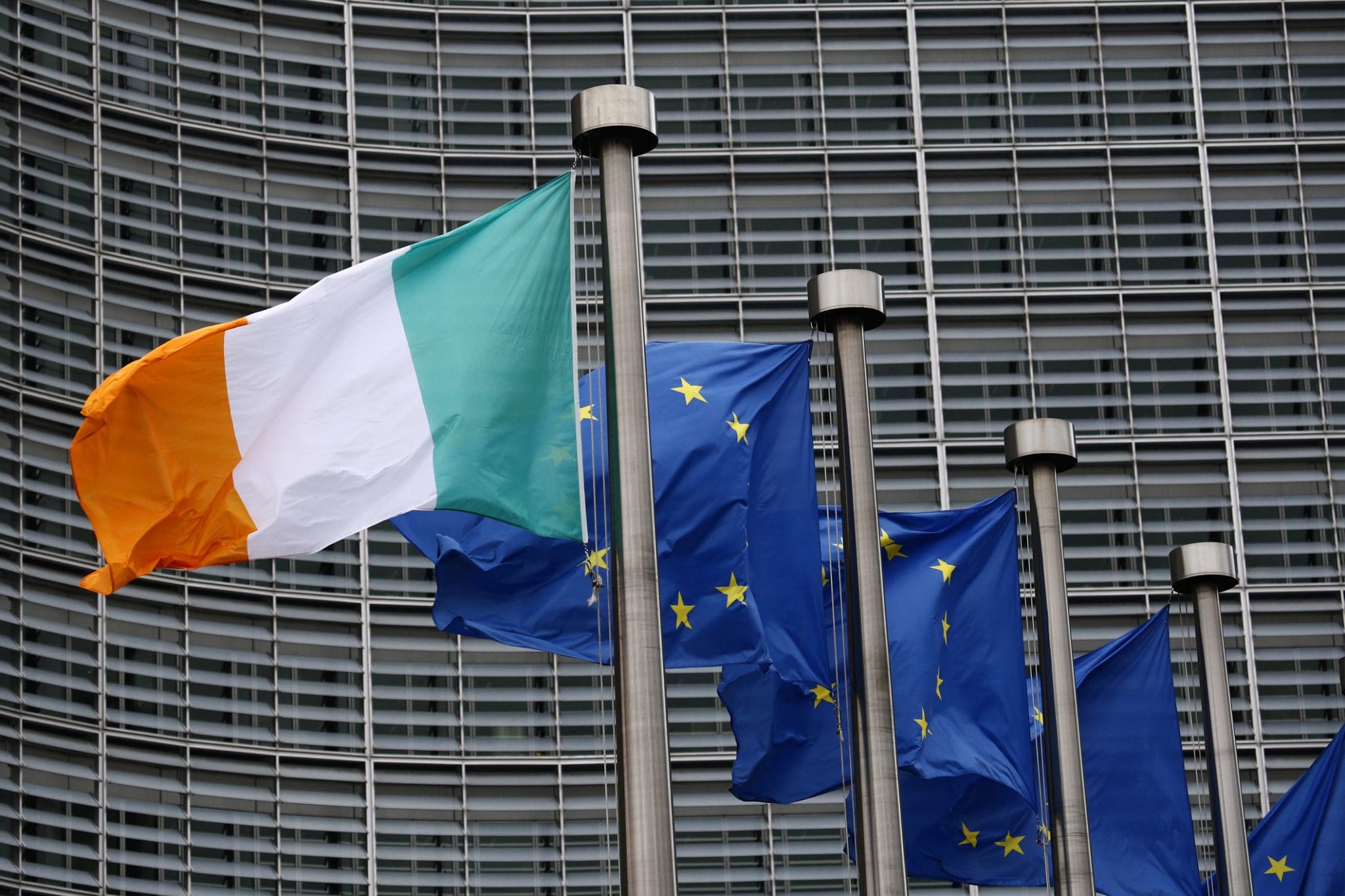
Ireland recognised as global leader in Digital Government and Open Data

Ireland has been ranked in the top 10 globally for both Open Data Maturity and Digital Government in 2026. These achievements reflect a successful long-term strategy to use technology to reduce paperwork, boost the economy, and make public services more transparent for citizens
A series of new international reports has confirmed Ireland’s position as a world leader in digital government and the strategic use of open data. Published on March 12, 2026, by the Department of Public Expenditure and Digitalisation, the findings show that Ireland consistently ranks among the top performers in both the European Union and the OECD.
This digital transformation is credited with streamlining public services, increasing government transparency, and preparing the nation for emerging technologies like Artificial Intelligence.
Top rankings in open data maturity
Ireland has secured the 5th position overall out of 36 countries in the 2025 Open Data Maturity Assessment. Among EU Member States specifically, Ireland ranks 4th with an impressive score of 96%. This assessment measures how effectively a country makes public sector information—such as health statistics, transport data, and environmental records—available for public and commercial reuse.
The benefits of high open data maturity include:
- Economic growth:
- Allowing businesses to use government data to build new products and apps.
- Innovation:
- Supporting researchers with raw data for environmental and social studies.
- Transparency:
- Providing citizens with easy access to local authority and national information.
Success in digital government design
In addition to data maturity, the 2025 OECD Digital Government Index ranks Ireland 7th out of 36 countries. This index evaluates how well governments transition services to digital formats. Ireland’s high score is driven by its “digital by design” philosophy, where services are built from the ground up to be digital-first, rather than simply moving paper forms online.
Ireland performed strongly in several key strategic areas:
- Shared platforms:
- Creating tools that can be used across all public bodies to ensure consistency.
- User involvement:
- Designing services based on direct feedback from the people who use them.
- Data reusability:
- Ensuring that once data is collected, it can be securely and efficiently reused to prevent citizens from having to provide the same information multiple times.
Long-term strategy for 2030
The recent success aligns with the government’s broader national plans, including Digital Ireland – the National Digital & AI Strategy and the Digital Public Services Plan 2030. These frameworks aim to maintain Ireland’s competitive edge by scaling digital solutions across the entire public sector.
Key outcomes of this long-term investment include:
- Efficiency:
- Trust:
- Building public confidence through fairer, more transparent decision-making processes.
- Future readiness:
- Ensuring IT systems are robust enough to integrate AI-driven improvements in the coming years.