

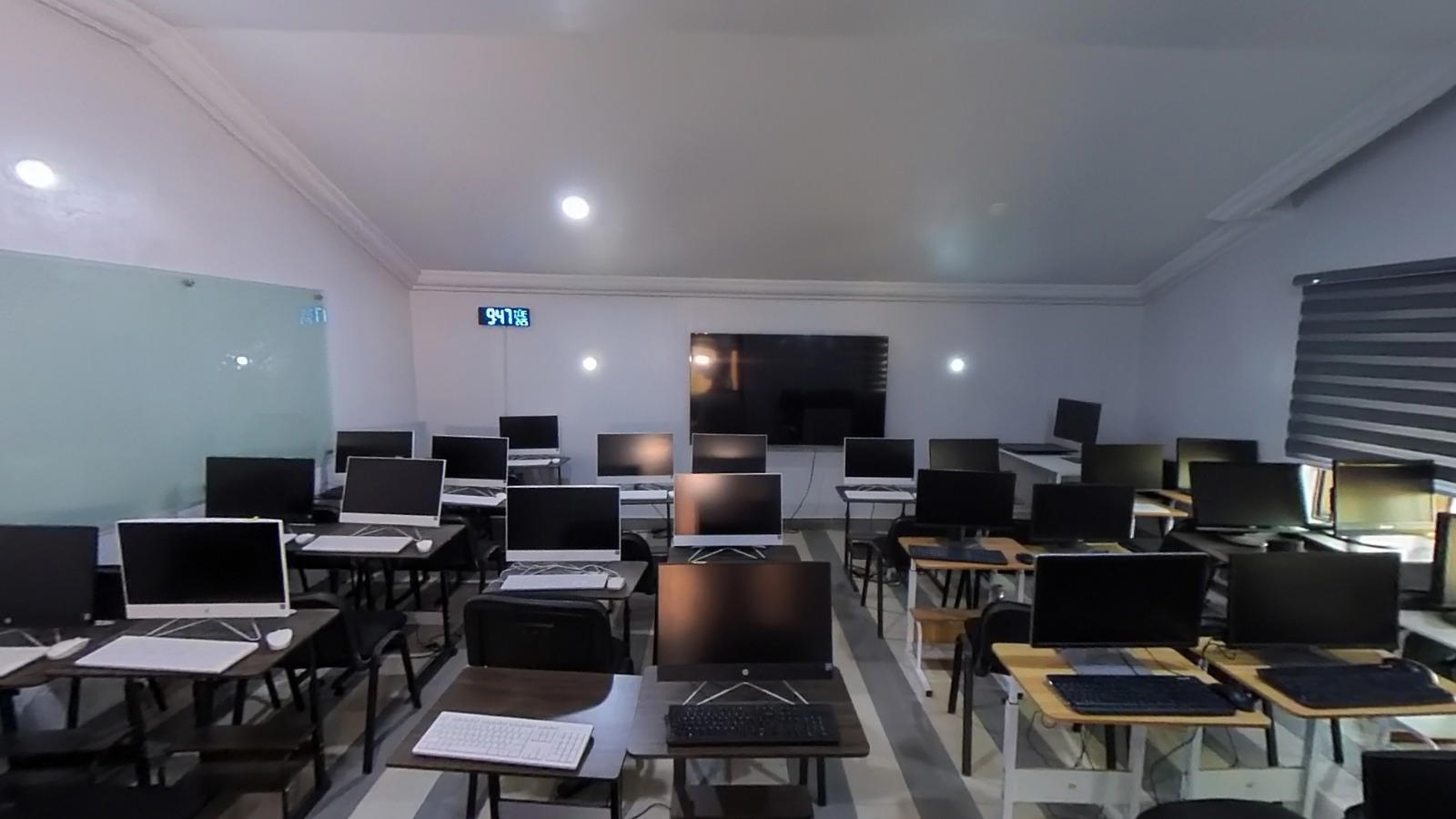
American Open University Nigeria begins admissions with focus on digital skills gap
American Open University, Nigeria (A-Global) has announced the commencement of admissions for the 2025/2026 academic session, as part of efforts to expand access to technology-driven higher education amid growing demand for digital skills in Nigeria and across West Africa.
The university said applications are open for Bachelor of Science, top-up and degree conversion programmes targeted at students and professionals seeking qualifications aligned with the evolving needs of the labour market. The development comes at a time when employers increasingly prioritise competencies in areas such as data analysis, cybersecurity, software development and digital management.
According to the institution, eligibility extends to direct entry and transfer students with NCE, ND and NID qualifications, as well as Higher National Diploma holders, third-class degree holders and chartered professionals seeking to upgrade their academic credentials. Working professionals looking to transition into technology-related fields are also eligible to apply.
Programmes available for the session span technology and business disciplines. Courses in Data Science, Cybersecurity, Software Engineering and Information Technology are offered alongside Business Administration, Business Information Technology, Entrepreneurship and Public Administration. The university noted that these programmes incorporate digital tools and data-driven approaches increasingly required in both public and private sector roles.
American Open University said its admission process includes the submission of a statement of purpose and a digital skills assessment, reflecting a shift toward blended and technology-supported learning models in higher education. Candidates who do not meet the required digital proficiency level may undergo preparatory training before full enrolment.
The institution said applications are being processed through its online portal, with the 2025/2026 admissions cycle positioned as part of a broader response to skills shortages and changing workforce demands in Nigeria’s economy.