

How Digital Humans Are Transforming Frontline Retail Training
Retail has always been a human-centered business. Every sale, return, upsell and resolution depends on an employee’s ability to read emotion, respond appropriately, and guide a customer through an experience that feels both personal and efficient.
As customer expectations rise, competitive advantage in retail is no longer defined by operational efficiency alone, but by how human those experiences feel. This is where the next generation of artificial intelligence is beginning to make a meaningful impact. Not by replacing frontline associates, but by strengthening the emotional intelligence that defines great service.
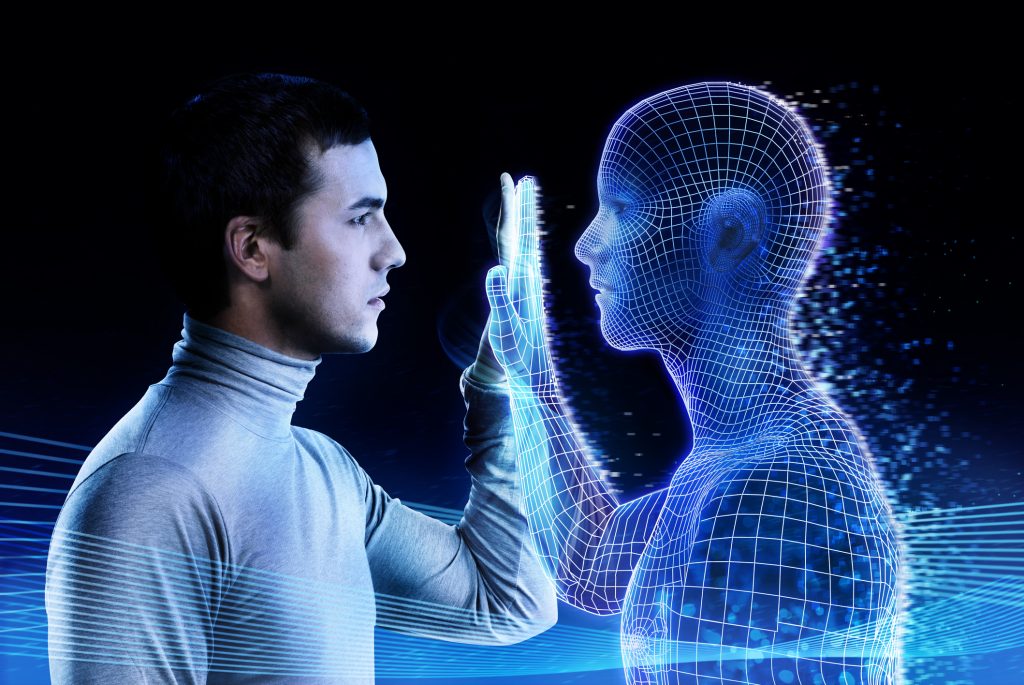
For years, retailers have used AI to automate workflows and optimize operations. What’s emerging now is something different: emotionally intelligent AI delivered through digital humans. These real-time, AI-powered characters can read conversational cues, respond with emotional nuance, and simulate the unpredictability of real customer interactions. In frontline retail training, that shift changes everything.
Bridging the Experience Gap in Retail Training
Most retailers rely on onboarding modules, compliance videos and in-store coaching to prepare associates. These formats are effective for distributing information. They’re far less effective at building confidence.
Retail’s biggest training gap is not policy comprehension. It’s behavioral readiness. Associates must navigate customers who are frustrated about returns, hesitant about high-ticket purchases, confused about promotions, or emotionally invested in a buying decision. Tone, pacing and empathy carry as much weight as product knowledge.
Traditional training explains what to say. However, it rarely provides realistic, repeatable practice in how to say it.
Digital humans close that gap by creating immersive simulations that reflect the emotional dynamics of the sales floor. Instead of passively reviewing content, employees step into conversations that evolve naturally. Topics shift. Emotions change. Customers react in ways that feel unscripted. Associates are required to think, adjust and respond in real time.
AI That Strengthens Human Capability
Unlike scripted chatbots or static role-play exercises, digital humans are powered by advances in natural language generation, real-time emotional modeling and adaptive conversational design.
They evaluate not just the words an associate chooses, but the tone and intent behind them. A response delivered with impatience may escalate tension. A calm explanation can ease uncertainty. Conversations move fluidly, reflecting how real customers change direction midsentence or introduce new concerns without warning.
The experience feels less like interacting with software and more like engaging with a person. That realism is what builds intuition.
In retail, a technically correct answer delivered in the wrong way can still lose a sale. A thoughtful response that acknowledges a customer’s feelings can build trust and move the interaction forward. By practicing in emotionally responsive simulations, associates begin to recognize subtle cues and adjust their approach with greater confidence.
This is AI designed to elevate human capability, not automate it away.
Turning High-Stress Moments Into High-Confidence Skills
Retailers are using digital humans to prepare employees for the moments that typically cause the most anxiety: handling upset customers, addressing price objections, explaining complex promotions clearly, and recovering service missteps.
These simulations function much like a flight simulator for interpersonal skills. Associates can rehearse difficult conversations repeatedly in a psychologically safe environment. They can experiment with phrasing, adjust tone and experience the consequences of different approaches without risking a real customer relationship.
No two practice sessions unfold exactly the same way. Emotional responses vary. Customers may calm down, grow more frustrated or become unexpectedly positive depending on how the conversation is handled. Over time, repetition replaces uncertainty with composure.
Practice in this context does more than improve performance metrics. It builds presence. Employees walk onto the sales floor having already navigated challenging conversations and resolved them successfully.
Why Presence Matters
Human communication extends beyond words. Facial expressions, eye contact and vocal inflection shape how messages are interpreted. Digital humans introduce these cues into training environments through high-fidelity avatars capable of displaying emotional expression and subtle behavioral shifts.
That visual realism increases immersion and psychological safety. Associates are more likely to engage fully when the interaction feels authentic. The experience moves beyond theory and becomes embodied learning.
For frontline retail teams, that distinction is critical. Customer interactions are rarely predictable, and the ability to remain composed under pressure often determines whether a moment ends in frustration or loyalty.
Consistency Across Distributed Retail Teams
Retail organizations manage constant variability, from seasonal hiring surges to turnover and geographically dispersed locations. Coaching quality can vary widely from store to store. Maintaining consistent behavioral training at scale has long been a challenge.
Digital humans offer standardized, on-demand immersive practice accessible to any associate at any time. Each employee receives the same opportunity to develop emotional intelligence, rehearse critical scenarios, and strengthen conversational skills regardless of location or tenure.
Likewise, as L&D teams struggle to create new content for upcoming products, pricing adjustments, etc., scalable experiential learning ensures that frontline readiness evolves with such changes.
The New Standard for Frontline Readiness
The rise of emotionally intelligent AI reflects a broader shift in enterprise technology. AI is no longer viewed solely as a tool for efficiency. It’s becoming a catalyst for developing the human skills that drive trust, loyalty and connection.
In retail, those skills directly influence conversion, retention and brand perception. The stores that stand out will not simply adopt AI behind the scenes. They will use it to build more confident, empathetic associates on the floor.
Digital humans make that possible at scale. Through immersive, emotionally responsive practice, employees develop clarity, composure and genuine connection.
In an environment where human-centered skills are increasingly valuable, the most powerful application of AI in retail may be the one that helps employees become more human.
Tyler Merritt is the chief technology officer of UneeQ, a global leader in generative AI digital human technology.