

Why Arizona ‘kidfluencers’ could soon get a cut of profits

Arizona bill could require children in YouTube videos be paid
What is the “Coogan Act?” How an Arizona bill could require children in YouTube videos to be paid for their work.
- An Arizona bill would require family vloggers to set aside money for their children who appear in online content.
- The proposed law would apply to creators earning $15,000 or more annually from content featuring minors.
- Half of the earnings would be placed into a trust fund, accessible to the child at age 18.
Family vloggers and content creators in Arizona could soon be required to set money aside for their children.
An Arizona bill approaching the governor’s desk would expand protections usually reserved for child actors and performers to children appearing in YouTube videos and other content. The bill follows the growing popularity of family-oriented vlogging and content creation, which has remained largely unregulated.
House Bill 2192 would require minors featured in videos to be compensated for appearing in the content if the creator is making $15,000 or more per year from the content. While wide-ranging, some families across the country have made thousands of dollars from videos showing a glimpse into their lives.
The bill would require half of the earnings from the content to be siphoned into a trust fund and set aside until the child is 18. That fund is sometimes called a “Coogan Trust,” named after 1920s child actor Jackie Coogan, who discovered his earnings from a lucrative acting career had been taken by his parents when he became an adult.
The bill, sponsored by Rep. Julie Willoughby, a Republican from Chandler, also includes a way for children to request that their likeness be removed from online content once they are emancipated from their parents or turn 18-years-old.
Willoughby said the protections are needed as family vlogging, or videos featuring “kidfluencers,” grows in popularity.
“We want to ensure that the influencers, when they turn of age, that they have some compensation left from that,” Willoughby said in a March committee hearing. “That it’s not just taken from them.”
The legislation has received widespread bipartisan support, with three Republican senators voting against it in mid-April.
The bill also outlines required records-keeping for any content creators that feature minors, including the number of posts that made money featuring children and how money is being saved in the child’s trust.
And if a creator fails to maintain those required records, a child can challenge them in court and potentially receive compensation if a court rules in their favor.
Arizona could become latest state with protections for children in entertainment
A quick scroll through Anika Leyba Castillo’s TikTok page takes viewers on a tour of vibrantly colored crafts and weeknight dinners. The Scottsdale mom of four and content creator said she originally started making her own videos as a creative outlet, rather than as an attempt to make money.
The videos originally grew from a feeling of loneliness after moving to Arizona from New Mexico, she said.
“I was wanting to connect with others,” Castillo said. “I know I’m not the only one that feels this way.”
Castillo has amassed a following of more than 23,000 on Instagram and several thousand more on TikTok. She now earns money through sponsored videos and other original content made specifically for companies to use as marketing. She said her children don’t appear in much of her videos, but are excited to do so when they are.
Castillo said she keeps money saved for her children whenever they appear in a sponsored campaign. Some of her children have taken on small modeling gigs, which she said allows her kids to have some money to spend however they choose.
Willoughby’s proposal comes with a stamp of approval from tech giant Google, which owns YouTube. Colin Larson, a representative for the group, said the bill was “model legislation” and similar to laws seen in Illinois, Utah and California. Several other states are considering the legislation alongside Arizona, including Colorado.
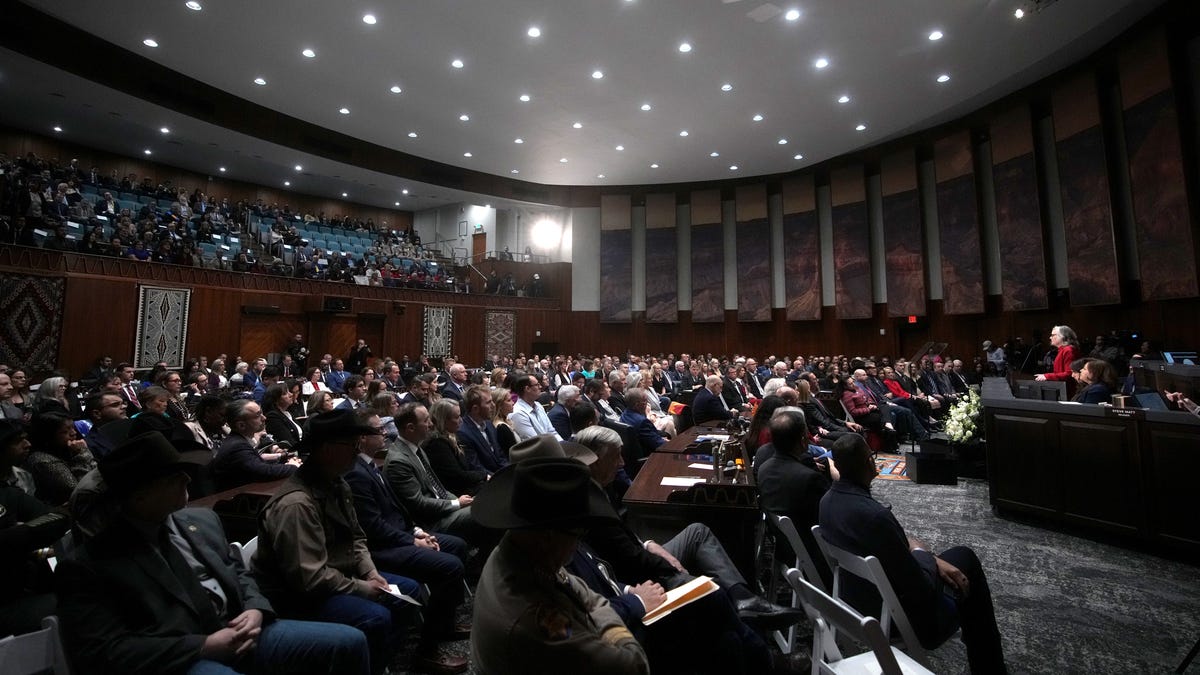
The bill faces a final vote before being sent to Gov. Katie Hobbs desk, where she can choose to sign or veto the legislation. Her office did not respond to a request for comment on the topic.
Another Democrat, Rep. Nancy Gutierrez of Tucson, had run similar legislation for several years before the current session but said her bill never moved forward. It’s uncommon for bills sponsored by Democrats to receive traction in the Republican-held legislature. Democrat-led bills rarely even receive committee hearings.
Gutierrez said she first heard of the issue from a staff member, and after writing her own bills, heard from representatives from Google regarding legislation they were pushing for.
Gutierrez said she was happy the bill was moving forward, but was disappointed that she was not part of the process or consulted after her previous attempts and work with child actors.
According to the U.S. Department of Labor, Arizona has fewer laws on the books regulating children in the entertainment industry compared to other states. Minors under the age of 16 are exempt from child employment laws in movies and television productions if the company provides the actor’s name, address and work hours to the Department of Labor in advance.
Castillo said she was happy to see requirements for children to be compensated when their parents are making money. She said the partnerships she’s taken on have offered new opportunities for her family, ranging from private seats at Diamondbacks games to trips.
“At the end of the day, I think that they do deserve to be paid too if they’re going to be in the content,” Castillo said.
Helen Rummel covers state politics and higher education for The Arizona Republic. Reach her athrummel@azcentral.com.Follow her on X, formerly Twitter:@helenrummel.